Introduction to Proximity Sensing Systems
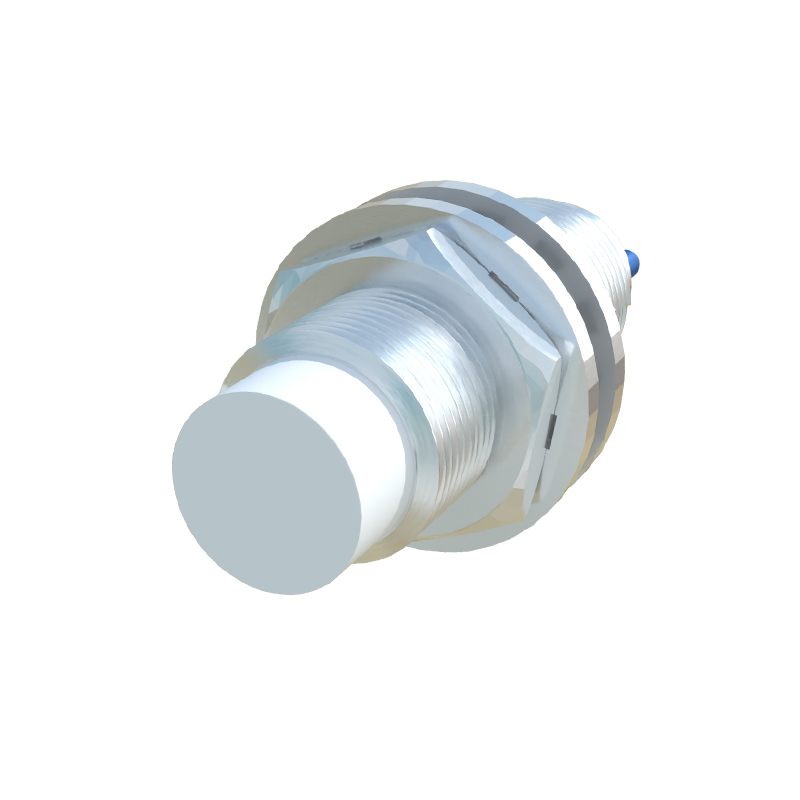
Modern Land Rover vehicles are equipped with an advanced network of sensors that form the Parking Aid or Surround Camera system. The left rear proximity sensor is a critical component within this safety and convenience suite. Typically integrated into the rear bumper fascia, this sensor plays a vital role in detecting obstacles during low-speed maneuvers such as parallel parking or reversing. It operates as part of a synchronized array, providing the vehicle's control modules with precise data on the distance to nearby objects, thereby preventing collisions and minimizing blind spots. The sophistication of these systems underscores Land Rover's commitment to integrating robust electronic architecture with practical driver assistance.
Technical Specifications and Operating Principle
The left rear proximity sensor is predominantly an ultrasonic sensor. It emits high-frequency sound waves (typically between 40-70 kHz) that are inaudible to the human ear. When these waves encounter an object, they reflect back to the sensor. An internal electronic circuit measures the time interval between emission and reception of the echo. This 'time-of-flight' data is then calculated into a distance measurement by the Parking Aid Module (PAM). The sensor's operational range is usually between 30cm to 250cm, with accuracy decreasing at the extremes. It is designed to be weather-resistant, but its performance can be temporarily affected by heavy dirt, ice, or standing water on its surface, which may dampen or distort the ultrasonic signal.
Common Failure Modes and Symptoms
Diagnosing a faulty left rear proximity sensor begins with recognizing the symptoms. The most common indicator is a persistent warning message on the instrument cluster, such as "Parking Aid Fault" or "Sensor Blocked," often accompanied by an audible alert. The system may also exhibit erratic behavior, like the parking aid tones activating when no obstacle is present or failing to activate when approaching a genuine object. Physical damage to the bumper, such as from a minor impact, can crack the sensor housing or misalign it. Corrosion on the electrical connector pins due to moisture ingress is another frequent cause of intermittent or complete failure. Internal electronic component degradation over time can also lead to sensor malfunction.
Diagnostic Procedures and Tools
A systematic approach is required for accurate diagnosis. The first step is a visual inspection of the sensor and its surrounding bumper area for physical damage, debris, or cleaning needs. Following this, a dedicated automotive diagnostic scan tool is essential. Connecting to the vehicle's network via the OBD-II port allows the technician to read fault codes stored in the PAM. Codes specific to the left rear sensor circuit, such as open circuit, short to ground, or signal plausibility errors, will guide the troubleshooting. Live data functionality can be used to monitor the sensor's reported distance in real-time, comparing it to a known-good sensor on the same bumper to identify discrepancies. Resistance checks across the sensor and wiring harness may also be necessary to locate breaks or shorts.
Replacement and Calibration Protocol
Replacing a defective left rear proximity sensor involves careful removal of the interior trunk trim or, in some models, the rear bumper itself to access the sensor's retaining clip and electrical connector. It is crucial to use a genuine or high-quality OEM-equivalent part, as sensors have specific frequency and impedance characteristics. After physical installation, a simple system reset by clearing fault codes may suffice. However, on many newer Land Rover models, a static calibration or 'target learning' procedure is mandatory. This process, performed with the diagnostic tool, teaches the PAM the exact positional parameters of the new sensor within the bumper array. Skipping calibration can result in inaccurate distance readings and continued system faults, compromising the functionality of the entire parking aid system.
Preventive Maintenance and Best Practices
Ensuring the long-term reliability of the proximity sensors involves simple preventive measures. Regularly cleaning the bumper surface and the small sensor faces with a soft cloth and mild detergent helps maintain signal clarity. Avoid using high-pressure washers directly on the sensor areas, as this can force water past seals. During body repair or bumper painting, sensors must be removed or properly masked, as paint buildup can severely attenuate ultrasonic signals. When installing aftermarket accessories like tow bars or bike racks, verify they do not obstruct the sensor's field of view. Finally, addressing any moisture leaks in the trunk or rear lamp assemblies promptly can prevent water from damaging the sensor wiring and connectors.