Introduction to Sensing Technologies
Proximity and light sensors are fundamental components in modern electronics, enabling devices to perceive and interact with their environment. A proximity sensor detects the presence or absence of an object within a specific range without physical contact, while a light sensor measures ambient light intensity. These sensors are ubiquitous, found in smartphones, industrial automation, automotive systems, and smart home devices. Their operation hinges on converting a physical phenomenon—either the reflection of a signal or the incidence of photons—into a measurable electrical signal. This article delves into the core principles, types, and operational mechanics of these critical sensors, providing a clear understanding for engineering professionals.
Core Operating Principle of Proximity Sensors
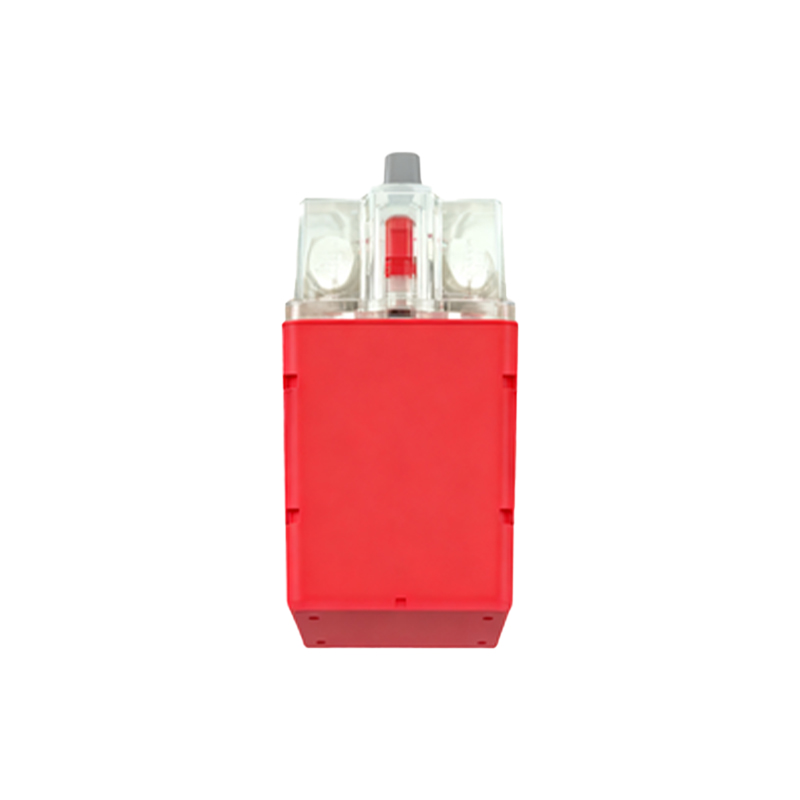
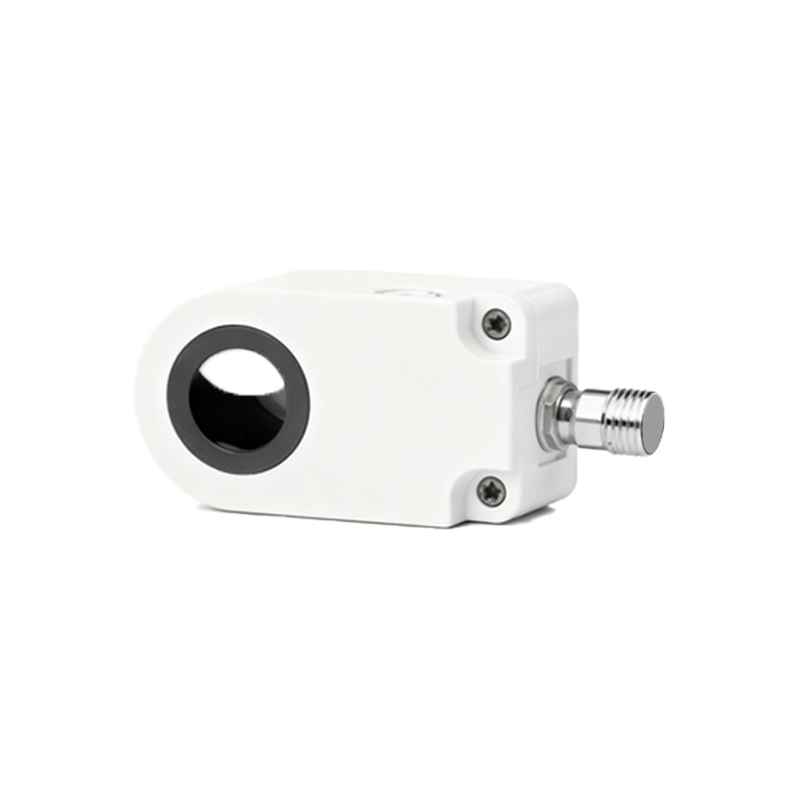
The fundamental principle behind most proximity sensors is the emission of a field or beam and the analysis of changes in the return signal. Inductive proximity sensors, for instance, generate an oscillating electromagnetic field. When a metallic object enters this field, eddy currents are induced on the object's surface, which dampens the oscillation amplitude of the sensor's internal LC circuit. This change is detected, triggering an output signal. Capacitive sensors operate similarly but use an electrostatic field. They can detect both metallic and non-metallic objects, as the presence of any material with a dielectric constant different from air alters the capacitance of the sensing system. The control circuit monitors this capacitance change to determine object presence.
Photoelectric and Ultrasonic Proximity Sensing
Photoelectric proximity sensors utilize light, typically infrared (IR) or laser, to detect objects. They consist of an emitter (LED or laser diode) and a receiver (phototransistor or photodiode). In a reflective (diffuse) mode, the sensor emits a light beam; if an object is present, light reflects back to the receiver. The sensor evaluates the intensity of the reflected light. In a through-beam mode, the emitter and receiver are separate units, and an object is detected when it interrupts the light beam. Ultrasonic sensors employ high-frequency sound waves. They emit ultrasonic pulses and calculate the time-of-flight (ToF) for the echo to return. The distance to an object is precisely computed using the speed of sound. This method is effective for longer ranges and is less affected by object color or transparency compared to photoelectric sensors.
Working Mechanism of Light Sensors

Light sensors, or photodetectors, function based on the photoelectric effect. The most common type is the photodiode. When photons with sufficient energy strike the semiconductor material of a photodiode, they excite electrons, creating electron-hole pairs. Under a reverse bias voltage, these charge carriers are swept across the junction, generating a photocurrent that is proportional to the incident light intensity. Phototransistors offer higher sensitivity by combining this photoelectric effect with transistor amplification. Another prevalent technology is the ambient light sensor (ALS), often using a photodiode with spectral response filters matching human eye sensitivity (photopic response). These sensors measure illuminance (in lux) to automatically adjust display brightness in consumer devices.
Key Components and Signal Processing
A functional sensor system extends beyond the sensing element. It includes an oscillator or driver circuit to generate the emission signal (for active sensors), a sensitive amplifier to boost the weak return signal, and a signal conditioning unit. This unit filters noise, converts analog signals to digital (via an ADC), and compares the processed signal against a predefined threshold. For sophisticated applications like gesture recognition, a microcontroller runs algorithms on the digitized signal data to interpret patterns. In a smartphone, the proximity sensor module often integrates an IR LED and a photodiode in a compact package, with a dedicated IC handling the modulation of the IR signal and demodulation of the return signal to reject ambient light interference.
Applications and Integration Challenges
The integration of these sensors drives innovation. In smartphones, the proximity sensor deactivates the touchscreen during calls. In automotive, they enable parking assist systems and gesture-controlled infotainment. Industrial uses include object counting, jam detection, and machine safety curtains. Key design challenges involve environmental robustness—ensuring reliable operation despite dust, moisture, temperature variations, and electromagnetic interference (EMI). Optical sensors must contend with ambient light saturation or interference from other IR sources. Calibration is crucial to set accurate detection thresholds and compensate for component tolerances and aging effects over the product's lifecycle.
Future Trends and Conclusion
The evolution of proximity and light sensing is towards greater miniaturization, lower power consumption, and higher intelligence. Sensors are becoming more integrated, combining multiple sensing modalities (e.g., time-of-flight (ToF) for precise distance measurement with RGB light sensing) into single chips. Advances in MEMS (