Understanding High Temperature Proximity Sensors
In the demanding world of industrial automation and process control, the ability to reliably detect the presence or absence of an object in extreme thermal environments is paramount. High temperature proximity sensors are specialized devices engineered to perform this critical function where standard sensors would fail. These robust sensors are designed to withstand ambient temperatures that can soar well above the standard operating range of conventional inductive, capacitive, or photoelectric sensors. Their construction utilizes advanced materials, including specialized high-temperature plastics, ceramics, and thermally stable electronic components, ensuring signal integrity and mechanical stability. The core principle remains non-contact detection, but the execution is tailored for resilience against intense heat, often encountered in applications like metal casting, glass manufacturing, and automotive exhaust testing.
Key Technologies and Operating Principles
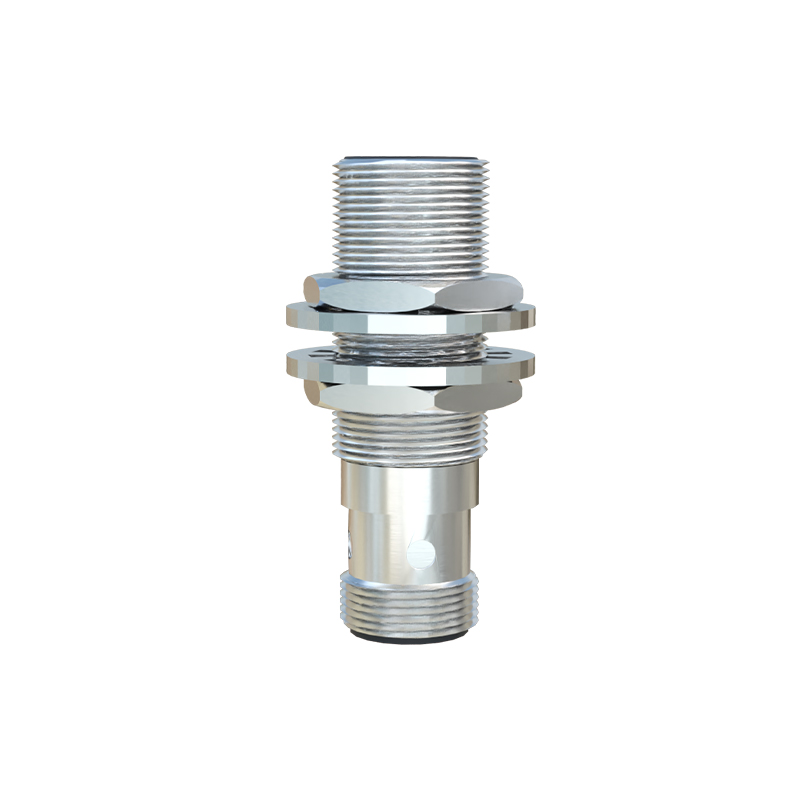
The performance of a high-temperature proximity sensor hinges on its underlying technology and design adaptations. Inductive sensors, commonly used for detecting metals, are constructed with high-temperature rated coils and potting compounds that resist thermal degradation. Their housing is typically made from PEEK (Polyether Ether Ketone), PTFE (Polytetrafluoroethylene), or ceramic materials, which offer excellent thermal and chemical resistance. For non-metallic target detection in hot environments, capacitive variants with similar ruggedized construction are employed. A critical aspect is the thermal management of the sensing face and the internal electronics. Designs often incorporate air gaps, thermal barriers, and heat sinks to isolate the sensitive electronic components from the extreme heat at the sensing point, allowing the sensor body to endure temperatures ranging from 200°C to over 500°C continuously, depending on the model and technology.
Critical Application Areas in Industry
The deployment of these sensors is vital in sectors where high heat is an inherent part of the process. In foundries and die-casting operations, they are used for mold position verification, ladle positioning, and detecting molten metal levels. The glass industry relies on them for bottle or container presence detection on hot annealing lehrs. Within automotive manufacturing and testing, they monitor component positions in paint-drying ovens and along hot engine or exhaust assembly lines. The energy sector, particularly in turbine monitoring and boiler systems, utilizes these sensors for vibration monitoring and part detection in high-temperature zones. Their failure-proof operation in these settings is crucial for maintaining continuous production, ensuring safety, and protecting expensive machinery from damage due to misalignment or jams.
Selection Criteria and Installation Considerations
Selecting the appropriate high-temperature proximity sensor requires a thorough analysis of the application parameters. The primary consideration is the continuous and peak ambient temperature the sensor body will be exposed to. The target material (ferrous metal, non-ferrous metal, or non-metal) dictates whether an inductive or capacitive type is needed. Other vital factors include the required sensing distance, which may be reduced at higher temperatures, the electrical output type (PNP/NPN, analog, or IO-Link), and the required housing shape (cylindrical, rectangular, or slot-style). Installation is equally critical; proper mounting with adequate thermal isolation, using high-temperature rated cables and connectors, and ensuring the sensing face is free from direct radiant heat sources or buildup of process material (like slag or dust) are essential for long-term reliability and accurate detection.
Advantages Over Traditional Cooling Methods
Historically, a common approach to using standard sensors in hot areas involved elaborate external cooling systems, such as air or water cooling jackets. While effective, these solutions add significant complexity, cost, and maintenance requirements to the system. They introduce potential points of failure, like coolant leaks or compressor breakdowns. The advent of intrinsically high-temperature proximity sensors provides a more elegant and reliable solution. By eliminating the need for auxiliary cooling, they simplify system design, reduce installation and energy costs, and enhance overall system robustness. Their sealed, self-contained design is inherently more maintenance-free, leading to higher uptime and lower total cost of ownership, despite a potentially higher initial unit cost compared to a standard sensor.
Future Trends and Material Innovations
The evolution of high-temperature proximity sensors is closely tied to advancements in material science and electronics miniaturization. Research is ongoing into new composite materials and ceramics that can withstand even more extreme temperatures and aggressive chemical atmospheres. The integration of smart sensor features, such as condition monitoring and predictive diagnostics via IO-Link communication, is becoming more prevalent. These "smart" sensors can report their own temperature, signal strength, and operating health, allowing for proactive maintenance before a failure occurs. Furthermore, the demand for sensors capable of operating in the increasingly harsh environments of new battery manufacturing processes and aerospace applications is driving innovation toward more compact, resilient, and intelligent sensing solutions that push