Introduction to Proximity Sensing in Harsh Environments
In the demanding world of industrial automation, proximity sensors are the unsung heroes, providing critical non-contact detection of metallic objects. However, standard inductive proximity sensors face significant challenges in extreme conditions, particularly where strong magnetic fields or intense welding spatter are present. These environmental aggressors can lead to false triggering, reduced sensing distances, physical damage, and ultimately, costly downtime. This necessitates the use of specialized sensors engineered for resilience: anti-magnetic and anti-welding proximity switches. These robust devices are purpose-built to deliver reliable performance where conventional sensors would fail, ensuring continuity in critical manufacturing, material handling, and heavy industrial processes.
The Challenge of Magnetic Fields and Welding Operations
Strong magnetic fields, commonly generated by large motors, transformers, or magnetic separation equipment, can interfere with the internal oscillator circuit of a standard inductive sensor. This interference can cause the sensor to latch in an "on" or "off" state, rendering it unreliable. Similarly, resistance welding and arc welding processes produce intense heat, molten metal spatter, and electromagnetic noise. The spatter can adhere to and build up on the sensor face, physically blocking the sensing field and potentially causing permanent damage from the high temperatures. Furthermore, the high-frequency electrical noise from welding equipment can induce false signals in the sensor's electronics. Operating in these combined hostile environments requires a sensor with multiple layers of protection.
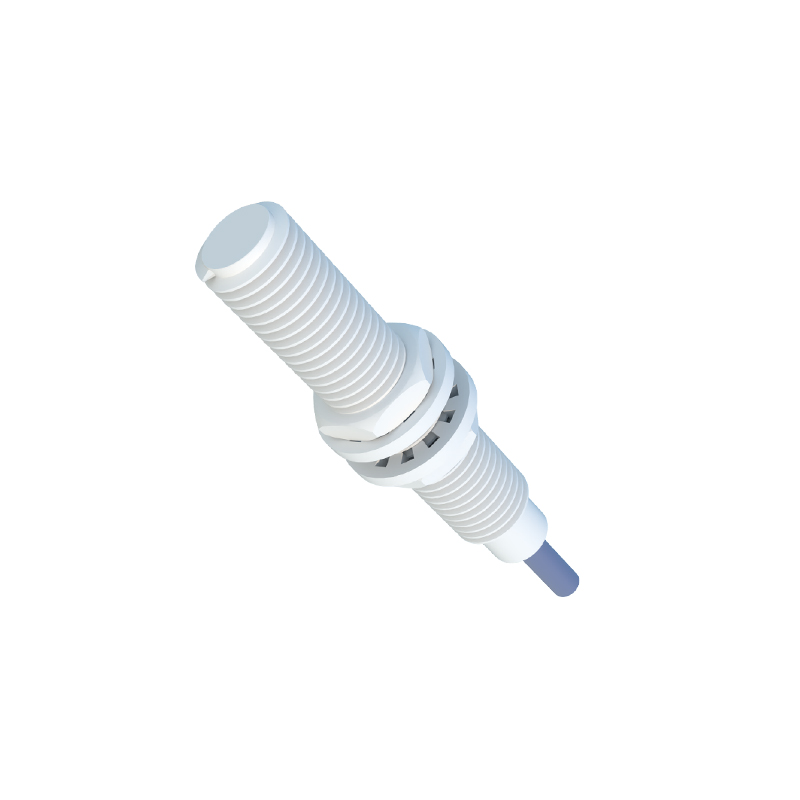
Core Technology: Anti-Magnetic Design Principles
Anti-magnetic proximity sensors incorporate specific design features to nullify the effects of external magnetic fields. The primary defense is the use of a magnetic shield, typically made from a high-permeability alloy like mu-metal. This shield encloses the sensor's coil and ferrite core, creating a path of least resistance for external magnetic flux lines, thereby diverting them away from the critical sensing components. Additionally, the electronic circuitry is designed with filtering and compensation algorithms to reject low-frequency magnetic interference. The housing itself is often constructed from austenitic stainless steel (e.g., 304 or 316), which is non-magnetic and provides a first line of defense. This combination allows these sensors to maintain their specified switching characteristics and sensing distances even when installed near powerful magnetic sources.
Core Technology: Anti-Welding and Physical Durability
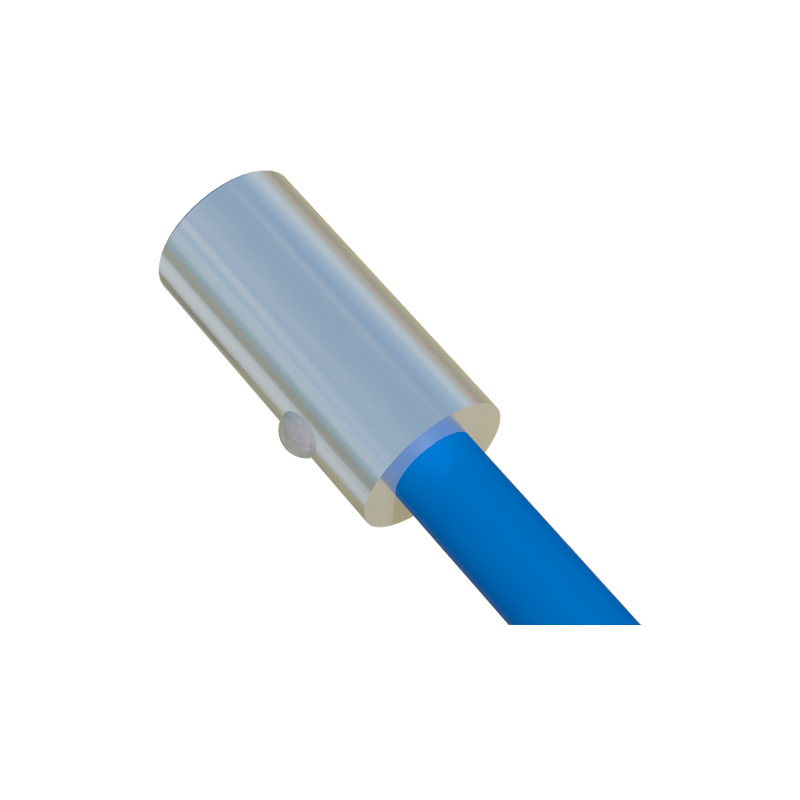
The design of an anti-welding sensor focuses on survivability against physical and thermal assault. The most distinctive feature is a protective cap or "baffle plate" made from high-temperature-resistant materials such as brass, copper, or special heat-treated stainless steel. This cap is designed to shed molten weld spatter; the spatter hits the cap and falls away instead of fusing to it. The sensing face is often recessed behind this protective barrier. The housing is robust, with high IP ratings (e.g., IP67, IP69K) for resistance against dust and high-pressure washdowns. The internal electronics are potted with a thermally conductive, resilient compound to absorb shock and vibrations and to protect against humidity and condensation, which are common in welding cells.
Key Selection Criteria and Specifications
When specifying an anti-magnetic and anti-welding sensor, engineers must evaluate several key parameters beyond standard sensing range and output type. The rated operating temperature range is crucial, as sensors in welding stations must withstand ambient heat. The level of magnetic field immunity should be quantified, often stated in units of flux density (e.g., mT or Gauss). The material and design of the protective cap determine its spatter resistance and longevity. Electrical specifications like supply voltage range, output current, and short-circuit protection are vital for system integration. Additionally, considering the connection method—pre-wired cable or quick-disconnect—impacts maintenance and replacement ease in cramped, harsh panels.
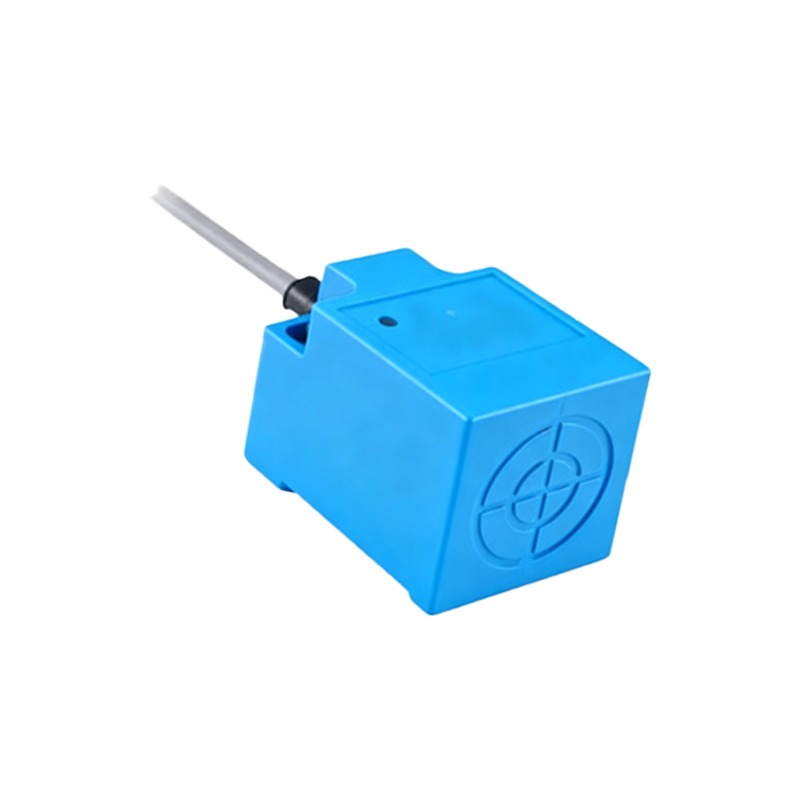
Typical Applications Across Industries
These specialized sensors find indispensable roles in numerous sectors. In automotive manufacturing, they are used for part presence verification in welding robots and resistance spot welding lines. In the metal fabrication and shipbuilding industries, they position plates for automated welding and detect components on magnetic conveyors. Steel mills employ them for coil handling and positioning near powerful electromagnetic cranes. They are also critical in recycling plants with magnetic separators and in any automated line where welding is an in-line process. Their reliability directly impacts production throughput, quality control, and overall equipment effectiveness (OEE).
Installation and Maintenance Best Practices
Correct installation maximizes sensor life and performance. Mounting should be secure to minimize vibration. A minimum clearance around the sensor body, as specified by the manufacturer, must be maintained to prevent side-effects from the mounting metal. For anti-welding models,