Introduction to Smart Proximity Sensor Technology
The landscape of industrial automation has been fundamentally reshaped by the advent of smart proximity sensors. These sophisticated devices go far beyond simple detection; they integrate advanced functionalities such as digital communication, self-diagnostics, and parameter configurability. Unlike their traditional counterparts, smart sensors provide valuable data about their own health and the process they are monitoring, enabling predictive maintenance and enhanced system intelligence. This intelligence comes at a cost, but it is an investment that drives efficiency and reduces long-term operational expenses. The core technology, whether inductive, capacitive, or photoelectric, is now augmented with microprocessors and standardized industrial protocols like IO-Link, which form the backbone of their "smart" capabilities.
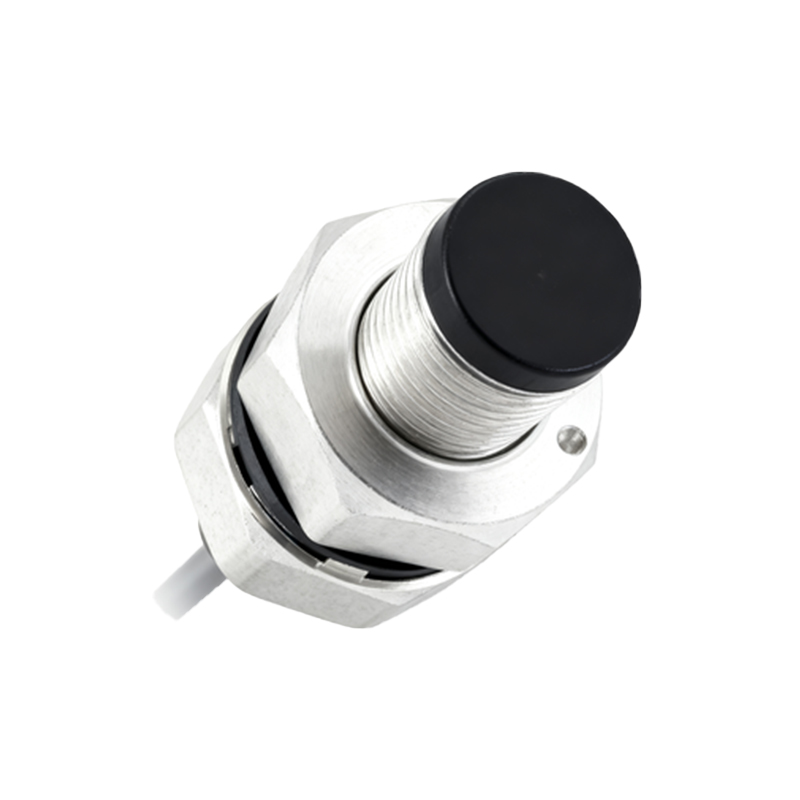
Key Determinants of Smart Proximity Sensor Pricing
Several critical factors directly influence the market price of a smart proximity sensor. The sensing technology is primary; laser-based or specialized photoelectric sensors are typically more expensive than standard inductive models due to their complexity and precision. The housing material, such as stainless steel for harsh environments versus nickel-plated brass, also significantly impacts cost. Furthermore, the level of intelligence—basic data reporting versus advanced condition monitoring—and the supported communication protocol (e.g., standard IO-Link vs. proprietary systems) are major price drivers. Brand reputation and the associated reliability, global support, and warranty periods command a premium, making established manufacturers' products generally costlier than generic alternatives.
Cost-Benefit Analysis: Initial Outlay vs. Total Cost of Ownership
Evaluating a smart proximity sensor solely on its purchase price is a short-sighted approach. A comprehensive Total Cost of Ownership (TCO) analysis reveals their true value. While the initial unit cost may be 20-50% higher than a standard sensor, the long-term savings are substantial. Smart sensors minimize unplanned downtime by providing early warnings of failures, which is exponentially more costly than the sensor itself. They simplify installation and reduce wiring costs through efficient bus systems. Most importantly, the data they generate allows for optimized machine performance and energy usage, leading to continuous operational savings that quickly offset the higher initial investment.
Market Trends and Price Fluctuations
The pricing of smart proximity sensors is not static and is influenced by broader market dynamics. The increasing demand for Industry 4.0 and IIoT solutions is driving economies of scale, gradually reducing the price premium for smart features. Conversely, global semiconductor shortages and supply chain disruptions can cause temporary price increases or lead time extensions. There is also a noticeable trend toward modular and scalable designs, where users can pay for a basic sensor and later upgrade its intelligence via software or add-on modules, offering more flexible pricing tiers. Competition from new market entrants is also applying downward pressure on prices for entry-level smart sensor models.
Selecting the Right Sensor for Your Budget and Application
Choosing an appropriate smart proximity sensor requires balancing technical requirements with budget constraints. For non-critical applications with mild environments, a cost-effective inductive smart sensor with basic IO-Link functionality may be perfectly adequate. For harsh environments involving extreme temperatures, washdowns, or corrosive chemicals, investing in a robust, higher-priced model is essential to avoid frequent replacements. Engineers must carefully assess the necessary sensing range, response speed, and data requirements. Often, consulting with sensor specialists can identify a solution that meets the application's core needs without paying for unnecessary premium features, ensuring optimal budget allocation.
The Future Outlook: Cost Trajectory and Value Proposition
The future points toward smarter, more integrated, and eventually more cost-effective sensors. As integration levels increase—with more processing power and connectivity built into smaller packages—the price per capability unit will continue to fall. The emergence of new, low-power wireless protocols will also influence cost structures. However, the fundamental value proposition will strengthen. The cost will increasingly shift from the physical hardware to the advanced software algorithms and data analytics services that accompany the sensor. Ultimately, the price of a smart proximity sensor will be viewed not as an expense for a component, but as a subscription to operational clarity and competitive advantage in an automated world.