Introduction to Photoelectric Proximity Sensing
In the realm of industrial automation, photoelectric proximity sensors stand as a cornerstone technology. These devices operate by emitting a beam of light, typically infrared, visible red, or laser, and detecting changes in the received light signal. Unlike mechanical limit switches or inductive sensors that require physical contact or metallic targets, photoelectric sensors offer non-contact detection of a vast array of objects, regardless of material composition. This fundamental principle enables their deployment in diverse and demanding environments, from clean rooms to harsh manufacturing floors. Their ability to sense objects at greater distances and with high precision makes them indispensable for modern control systems.
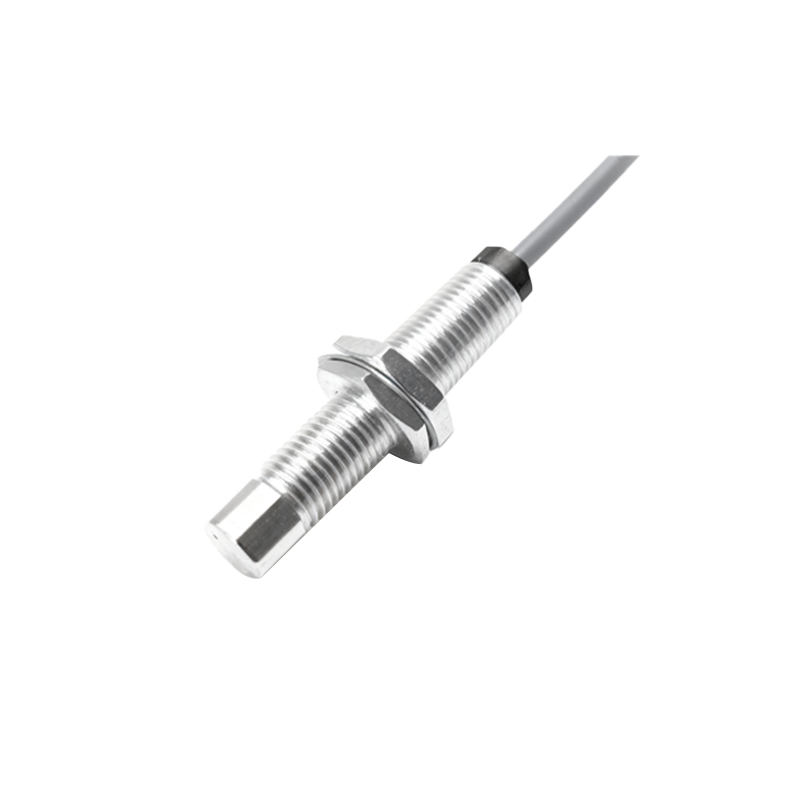
Core Operating Principles and Modes
The functionality of photoelectric sensors is defined by their operational modes. The three primary configurations are through-beam, retro-reflective, and diffuse reflective. Through-beam sensors consist of separate emitter and receiver units. An object is detected when it interrupts the light beam traveling between them, offering the longest sensing ranges and highest reliability. Retro-reflective models house both emitter and receiver in a single housing, using a reflector to bounce the light beam back. Detection occurs when an object blocks this reflected beam. Diffuse reflective sensors, also self-contained, detect light reflected directly off the target object itself. Each mode presents distinct advantages in terms of range, environmental tolerance, and installation complexity, allowing engineers to select the optimal solution for specific application challenges.
Key Functions and Industrial Applications
The primary role of these sensors extends far beyond simple object detection. They are crucial for precise positioning, counting, and inspection tasks on high-speed production lines. In packaging machinery, they ensure correct box placement and label positioning. In material handling, they control the level of bulk goods in silos or detect the presence of items on conveyor belts. A critical application is in safety systems, where safety-rated light curtains create an invisible protective barrier around hazardous machinery, instantly halting operation when the beam is broken. Furthermore, their ability to distinguish colors or detect subtle contrasts makes them vital for quality control, such as verifying label presence or checking fill levels in transparent containers.
Advantages Over Alternative Sensor Technologies
Photoelectric sensors provide several compelling advantages that solidify their position in industrial design. Their long sensing range, which can extend to hundreds of meters for specialized through-beam models, far exceeds that of inductive or capacitive proximity switches. The capability to detect non-metallic objects—plastic, glass, wood, liquid, and even transparent films—grants unparalleled versatility. They typically offer very fast response times, suitable for high-speed automation. Additionally, many modern sensors feature advanced diagnostics, adjustable sensing parameters via teach-in functions, and robust housings with high Ingress Protection (IP) ratings, ensuring reliability under conditions of dust, moisture, and vibration.
Selection Criteria and Integration Considerations
Selecting the appropriate photoelectric sensor requires a detailed analysis of the application. Key parameters include the required sensing distance, the size, color, and surface finish of the target, and the ambient environmental conditions like ambient light interference, dust, fog, or temperature extremes. The choice of light source is also critical; laser sensors provide a precise, focused beam for small object detection, while infrared models are less susceptible to ambient light. Engineers must also consider the output type (PNP/NPN, analog, IO-Link), power supply requirements, and housing form factor for easy integration into the machine's control architecture, ensuring seamless communication with PLCs and other controllers.
Future Trends and Technological Evolution
The evolution of photoelectric proximity sensors is closely tied to the advancement of Industry 4.0 and smart manufacturing. Modern sensors are increasingly intelligent, featuring integrated IO-Link communication that provides detailed device status, parameterization, and predictive maintenance data directly to the control system. Miniaturization continues, allowing sensors to fit into increasingly compact machinery. Furthermore, enhancements in background suppression technology and the development of sensors immune to challenging environmental factors are expanding their application boundaries. As machine vision and sensing converge, photoelectric sensors remain a fundamental, evolving component in building more adaptive, efficient, and connected industrial ecosystems.