Introduction to Proximity Sensors
Proximity sensors are essential electronic devices designed to detect the presence or absence of nearby objects without any physical contact. They operate by emitting an electromagnetic field, light beam, or acoustic signal and then monitoring changes in the return signal. This non-contact detection capability makes them highly reliable and durable, as they avoid wear and tear associated with mechanical switches. Widely utilized across manufacturing, automotive, aerospace, and consumer electronics sectors, these sensors serve as critical components in automation and control systems, enabling precise, efficient, and safe operations. Their ability to function in harsh environments—such as those with dust, moisture, or extreme temperatures—further underscores their industrial importance, providing consistent performance where other sensing methods might fail.
Core Principles of Operation
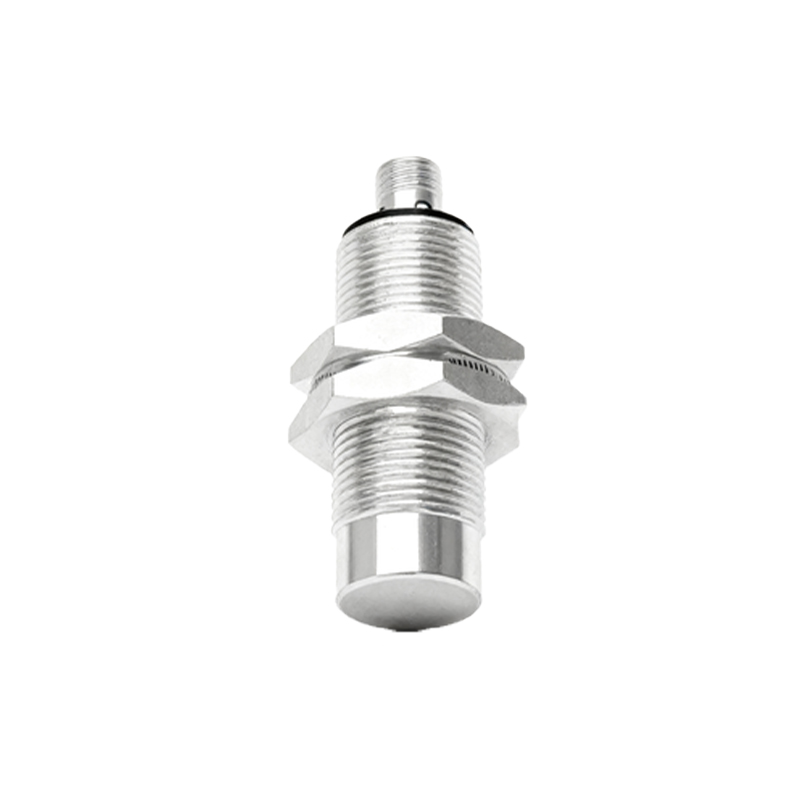
The functionality of proximity sensors hinges on various physical principles, primarily categorized into inductive, capacitive, ultrasonic, and optical types. Inductive proximity sensors detect metallic objects by generating an oscillating electromagnetic field; when a metal target enters this field, it induces eddy currents, causing a change in oscillation amplitude that triggers detection. Capacitive sensors, on the other hand, can detect both metallic and non-metallic materials by measuring changes in capacitance when an object alters the electrical field around the sensor. Ultrasonic sensors emit high-frequency sound waves and calculate distance based on the time taken for echoes to return, suitable for detecting objects regardless of material composition. Optical sensors use light beams, often infrared, to sense objects by measuring reflected or interrupted light. Each type offers distinct advantages, such as inductive sensors' immunity to non-metallic interference or capacitive sensors' sensitivity to liquids and plastics, allowing engineers to select the optimal sensor for specific applications.
Key Applications in Industrial Settings
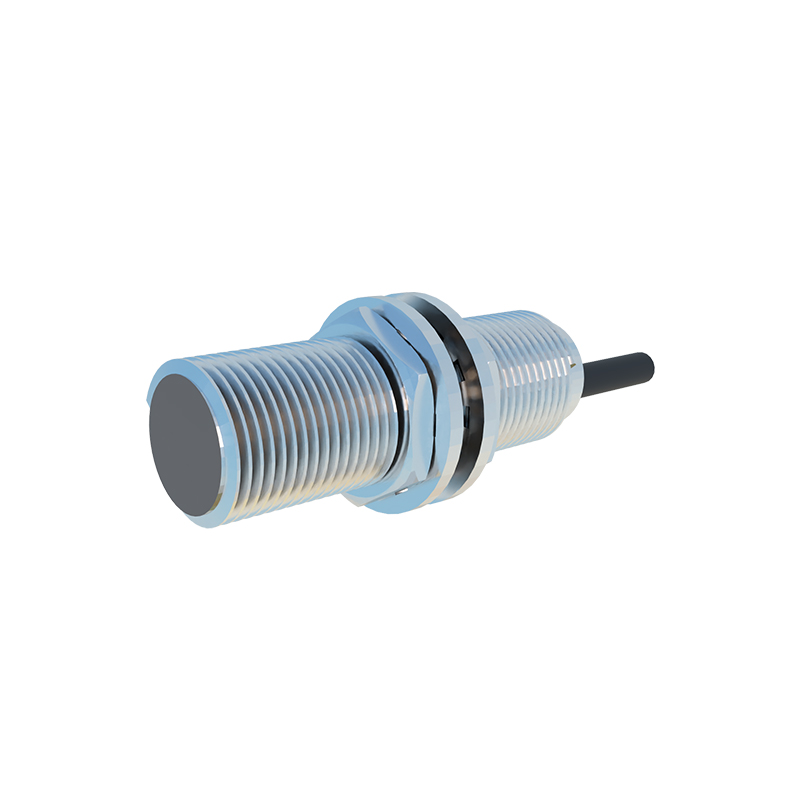
In industrial automation, proximity sensors play a pivotal role in enhancing productivity and safety. They are commonly employed for object detection on conveyor belts, ensuring items are properly positioned for assembly or packaging. In robotic systems, these sensors provide precise positioning feedback, enabling robots to grasp, move, or avoid obstacles with high accuracy. For example, in automotive manufacturing, inductive sensors monitor the presence of metal components during welding or painting processes, while capacitive sensors detect fluid levels in tanks. Additionally, proximity sensors contribute to safety mechanisms by halting machinery when a person or object enters a hazardous zone, preventing accidents. Their integration into programmable logic controllers (PLCs) allows for seamless coordination in complex production lines, reducing downtime and improving overall efficiency.
Advantages Over Traditional Sensing Methods
Compared to mechanical limit switches or manual inspection, proximity sensors offer numerous benefits that drive their widespread adoption. Their non-contact nature eliminates physical wear, leading to longer lifespans and reduced maintenance costs. They provide fast response times, often in milliseconds, which is crucial for high-speed operations in industries like electronics manufacturing. Moreover, their solid-state design enhances resistance to vibration, shock, and environmental contaminants, ensuring reliable performance under demanding conditions. The ability to detect objects without direct interaction also minimizes product damage, particularly in handling fragile items. From an economic perspective, the initial investment in proximity sensors is often offset by lower operational expenses and increased throughput, making them a cost-effective solution for modern industrial challenges.
Selection Criteria and Installation Considerations
Choosing the right proximity sensor requires careful evaluation of several factors to ensure optimal performance. Engineers must consider the sensing distance, which varies by sensor type and target material; for instance, inductive sensors typically have shorter ranges than ultrasonic ones. The environmental conditions, such as temperature extremes, humidity, or exposure to chemicals, dictate the need for robust housing materials like stainless steel or PTFE coatings. Electrical specifications, including output type (e.g., NPN, PNP, or analog) and supply voltage, must align with the control system's requirements. Installation practices are equally important: proper mounting, alignment, and shielding can prevent false triggers from nearby metal objects or electrical noise. Regular calibration and testing, as part of preventive maintenance, help sustain accuracy and extend sensor life, ensuring continuous operation in critical applications.
Future Trends and Technological Advancements
The evolution of proximity sensors is closely tied to advancements in Industry 4.0 and the Internet of Things (IoT). Modern sensors are increasingly incorporating smart features, such as integrated diagnostics, self-monitoring capabilities, and digital communication protocols like IO-Link, which enable real-time data exchange and remote configuration. Miniaturization trends allow for smaller sensor designs, facilitating installation in compact spaces without sacrificing performance. Enhanced sensing technologies, including multi-functional sensors that combine proximity detection with temperature or pressure measurement, are emerging to meet complex industrial needs. As artificial intelligence and machine learning integrate with sensor networks, predictive maintenance becomes more feasible, reducing unplanned downtime. These innovations promise to further elevate the role of proximity sensors in