Introduction to LJ18 Series Proximity Sensors
The LJ18 series represents a widely adopted standard in industrial inductive proximity switches. Characterized by an 18mm cylindrical threaded barrel housing, these sensors are engineered for non-contact detection of metallic objects. Operating on the principle of electromagnetic induction, they generate an oscillating electromagnetic field from a coil within the sensing face. When a ferrous or non-ferrous metal target enters this field, eddy currents are induced, causing a change in the oscillation amplitude. This change is detected by the sensor's internal circuitry, which subsequently triggers a solid-state output signal. Their robust construction, typically featuring nickel-plated brass or stainless steel housings, ensures reliable performance in demanding environments with factors like dust, oil, and coolant spray.
Key Technical Specifications and Variants
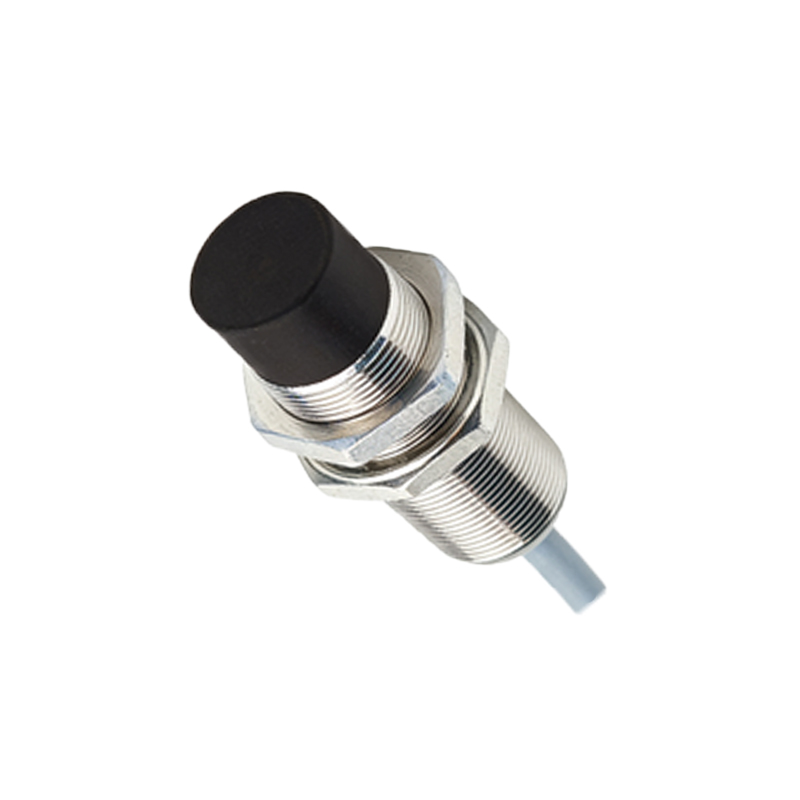
Understanding the specifications is crucial for proper LJ18 sensor selection. The sensing distance, often 5mm or 8mm for standard models, is rated for mild steel. For other metals like aluminum or copper, a reduction factor must be applied. Models are available in both shielded (flush-mountable) and unshielded (non-flush) designs, affecting their installation and sensing field geometry. Output configurations include NPN (sinking) and PNP (sourcing) transistor outputs, as well as Normally Open (NO) and Normally Closed (NC) logic functions. Operating voltage ranges commonly span from 10-30V DC, with some AC/DC compatible versions. Key performance indicators include switching frequency (response time), ensuring high-speed operation, and protection ratings like IP67 or IP68, guaranteeing resistance to water and dust ingress.
Typical Industrial Applications and Installation
LJ18 proximity switches are ubiquitous in automation and machinery. Common applications include position sensing for cylinders (via piston ring detection), part presence verification on conveyor lines, rotary speed monitoring on shafts or gears, and as end-of-travel limit switches. Correct installation is paramount for optimal function. For shielded sensors, they can be mounted flush in metal without affecting the sensing range. Unshielded sensors require a clear lateral space around the barrel as specified by the manufacturer. Proper alignment between the sensor face and the target is essential, and the sensing distance should account for manufacturing tolerances and potential mechanical play. Using appropriate locknuts and ensuring secure wiring connections prevent operational failures.
Wiring and Interface with Control Systems
The wiring of an LJ18 sensor is straightforward but requires attention to detail. A standard 3-wire DC device comprises Brown (power+), Blue (power- or common), and Black (output signal) wires. For a PNP sensor, the Black wire sources current to the PLC input or load. For an NPN sensor, it sinks current from the load to common. A crucial step is connecting the load (e.g., PLC input, relay coil) correctly in series with the output. Many models include an LED status indicator for diagnostic purposes. For noise immunity in electrically noisy environments, using shielded cable with the drain wire grounded at the controller end is recommended. Always refer to the manufacturer's datasheet for the specific wiring diagram of your model.
Common Troubleshooting and Maintenance Practices
Despite their durability, LJ18 sensors can encounter issues. Common problems include failure to detect, intermittent operation, or constant output activation. A systematic troubleshooting approach begins with checking the power supply voltage at the sensor terminals. Verify the target material, size, and approach speed meet the sensor's specifications. Inspect the sensing face for accumulated debris, metal chips, or a buildup of material that can dampen the electromagnetic field. Examine the wiring for loose connections, shorts, or broken wires, particularly at cable entry points. If possible, substitute the sensor with a known-working unit to isolate the fault. Preventive maintenance involves regular visual inspections and cleaning of the sensing face, avoiding physical damage to the barrel or cable, and ensuring environmental conditions remain within specified limits.
Selection Criteria for Optimal Performance
Selecting the right LJ18 model involves several considerations beyond just the 18mm form factor. First, define the target material (steel, aluminum, brass) and required sensing distance. Choose between shielded and unshielded types based on mounting constraints. The output type (NPN/PNP) must be compatible with the control system's input card. Consider the required switching frequency for high-speed applications. The housing material is critical; stainless steel is preferred for corrosive or washdown environments, while nickel-plated brass suits general factory use. Finally, evaluate special features like weld-field immunity for near welding robots, extended temperature range versions, or models with built-in short-circuit and overload protection for enhanced