Understanding the Core Technology
Infrared (IR) proximity sensors are fundamental components in modern automation and electronics, operating on the principle of emitting and detecting infrared light. These sensors typically consist of an IR LED emitter and a photodiode or phototransistor receiver. The emitter sends out a beam of modulated infrared light, which is invisible to the human eye. When an object enters the sensor's detection field, it reflects a portion of this light back to the receiver. The sensor's internal circuitry then processes this reflected signal to determine the presence or absence of an object, and in more advanced models, can approximate the distance to the object based on the intensity of the reflected light or the time-of-flight (ToF) principle. This non-contact detection method makes them ideal for applications where physical touch is undesirable or impossible.
Key Advantages in Industrial Settings
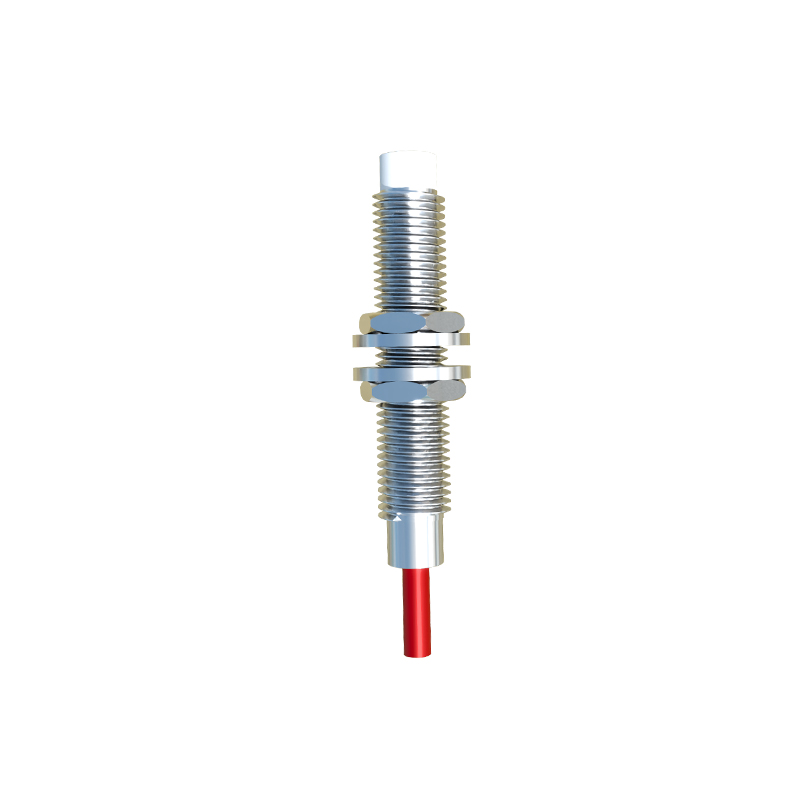
The adoption of IR proximity sensors across various industries is driven by several compelling advantages. Their immunity to ambient visible light interference, when properly modulated, ensures reliable operation in diverse lighting conditions. They are unaffected by the color of most objects, as infrared light reflection is less dependent on surface color compared to visible light, though highly reflective or absorbent surfaces can pose challenges. These sensors offer excellent response times, enabling high-speed detection on production lines. Furthermore, their solid-state construction provides robustness, longevity, and resistance to vibration, making them suitable for harsh industrial environments. The non-contact nature eliminates mechanical wear and tear, significantly reducing maintenance needs compared to mechanical limit switches.
Common Applications and Use Cases
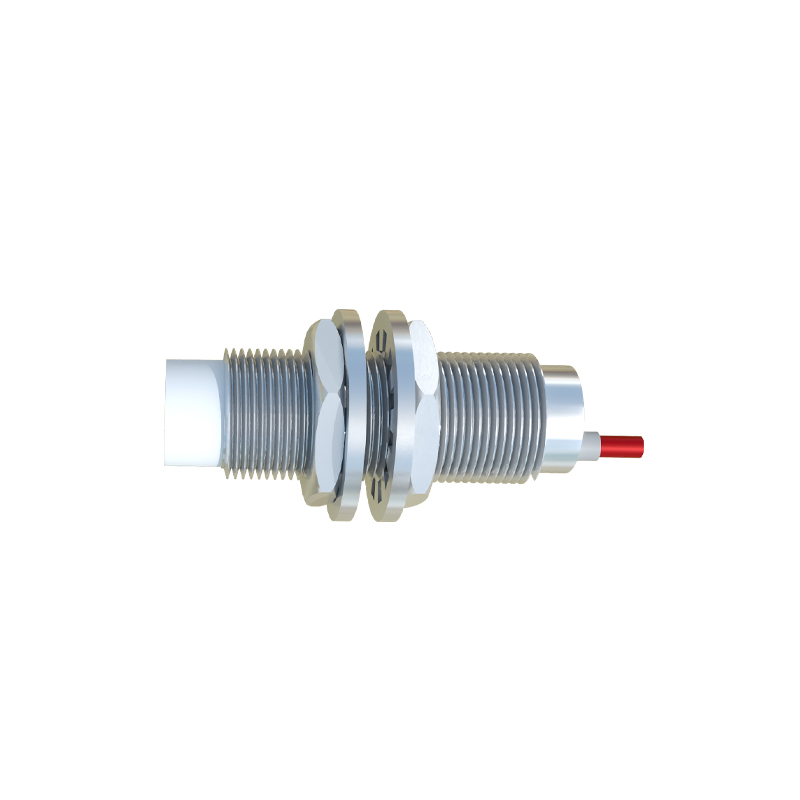
The versatility of IR proximity sensors is evident in their widespread application. In consumer electronics, they are ubiquitous for smartphone screen blanking during calls and touchless gesture control. In industrial automation, they are critical for object detection on conveyor belts, part positioning in assembly machines, and bottle/can counting in packaging lines. Robotics heavily relies on them for basic obstacle avoidance and navigation. They are also found in security systems for intrusion detection and in automotive applications for passenger occupancy sensing or touchless trunk opening. Another growing area is in interactive kiosks and public displays, where they detect user presence to activate the system, conserving energy.
Critical Selection Parameters for Engineers
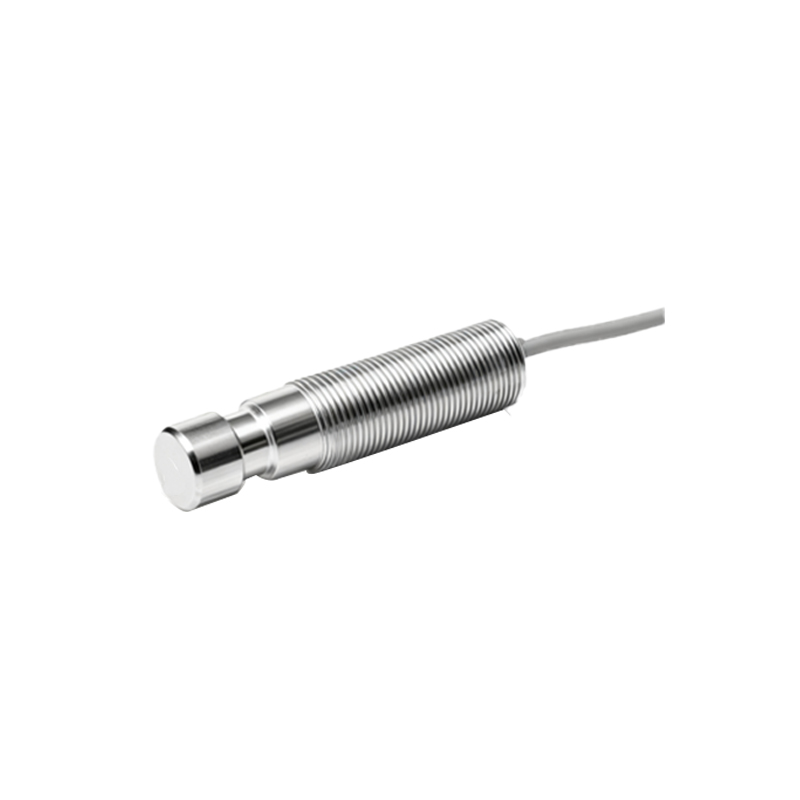
Selecting the appropriate IR proximity sensor requires careful consideration of several technical parameters. The sensing range is paramount; engineers must choose a sensor whose specified range matches the application's required detection distance. The response time must be fast enough for the process speed. The type of output (digital on/off, analog voltage, or PWM) must be compatible with the controller (PLC, microcontroller). Environmental factors such as operating temperature, potential exposure to dust, moisture (IP rating), and ambient light noise must be evaluated. The size and form factor (barrel-style, rectangular) are often constrained by mechanical design. Finally, considerations around the target object's material, surface finish, and color should be tested, as these can affect reflectivity and, consequently, sensing performance.
Installation and Calibration Best Practices
Proper installation is crucial for optimal sensor performance. Sensors should be mounted securely to prevent misalignment due to vibration. It is essential to avoid mounting sensors facing each other directly to prevent crosstalk. The sensing path should be kept clear of obstructions like dust, oil mist, or debris that could scatter or absorb the IR beam. For diffuse reflection sensors, the background behind the intended detection area should be as non-reflective and distant as possible to avoid false triggers. Calibration, when applicable, should be performed with a representative target object at the desired sensing distance under normal operating conditions. Regular maintenance checks should include cleaning the lens of the emitter and receiver to ensure consistent signal strength.
Troubleshooting Common Operational Issues
When an IR proximity sensor malfunctions, a systematic approach to troubleshooting is necessary. Intermittent detection often points to unstable power supply voltage or electrical noise; verifying supply stability and ensuring proper shielding of cables is a first step. Failure to detect any object may indicate a dirty lens, incorrect wiring, a damaged component, or the sensor being out of its specified range. Constant "on" state detection can be caused by a highly reflective background, crosstalk from another IR source, or internal circuit failure. Engineers should always consult the sensor's datasheet for specific diagnostic procedures, output signal verification, and recommended testing methods using the actual target material.
The Future and Integration with Smart Systems
The evolution of IR proximity sensing is moving towards greater integration and intelligence. Modern sensors now incorporate digital interfaces like I2C or UART, providing not just proximity data but also ambient light sensing (ALS) capabilities. Time-of-Flight (ToF) IR sensors are becoming more accessible, offering precise