Introduction to Infrared Proximity Sensors
Infrared proximity sensors are pivotal components in modern automation and electronics, leveraging infrared light to detect the presence or absence of objects without physical contact. These sensors operate by emitting an infrared beam and measuring the reflection from a target, enabling precise distance measurement and object detection. Widely used in industries such as automotive, consumer electronics, robotics, and industrial automation, they offer advantages like high accuracy, reliability, and low power consumption. As technology advances, manufacturers continuously innovate to enhance sensor performance, including improved sensitivity, reduced size, and integration with smart systems. This article explores the key players, technological trends, and applications shaping the infrared proximity sensor manufacturing landscape.
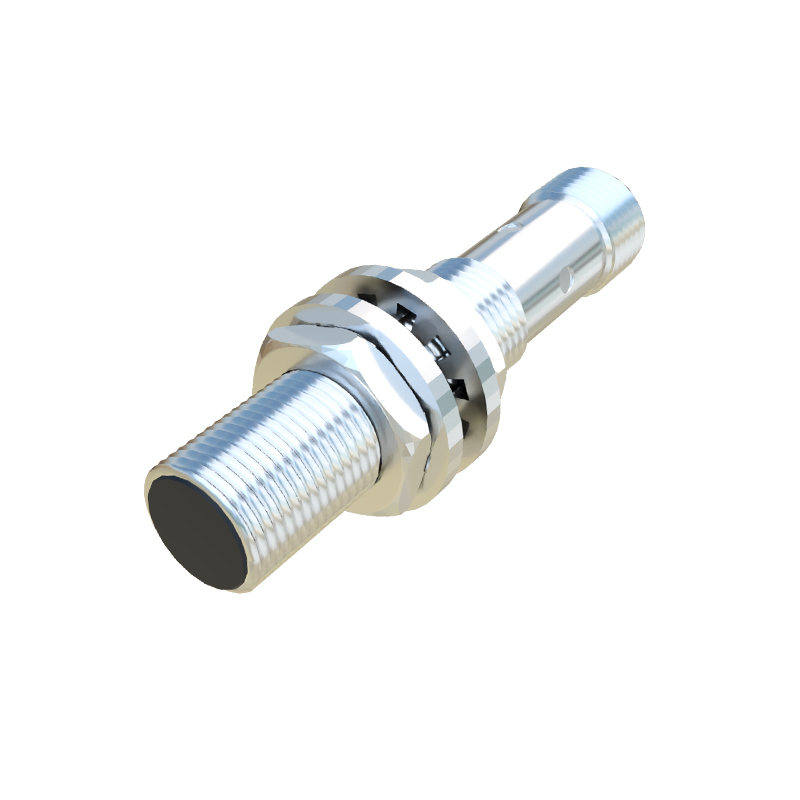
Key Manufacturers and Market Leaders
The global market for infrared proximity sensors is dominated by several established manufacturers, each contributing unique expertise and product lines. Companies like Vishay Intertechnology, Inc., ams OSRAM AG, and STMicroelectronics are renowned for their high-quality sensors used in smartphones, automotive safety systems, and industrial equipment. These leaders invest heavily in research and development to produce sensors with enhanced features, such as ambient light immunity and multi-object detection. Additionally, emerging manufacturers in Asia, particularly in China and Japan, are gaining traction by offering cost-effective solutions without compromising on performance. Collaboration with tech giants for IoT and AI-driven applications further drives innovation, ensuring a competitive and dynamic market environment.
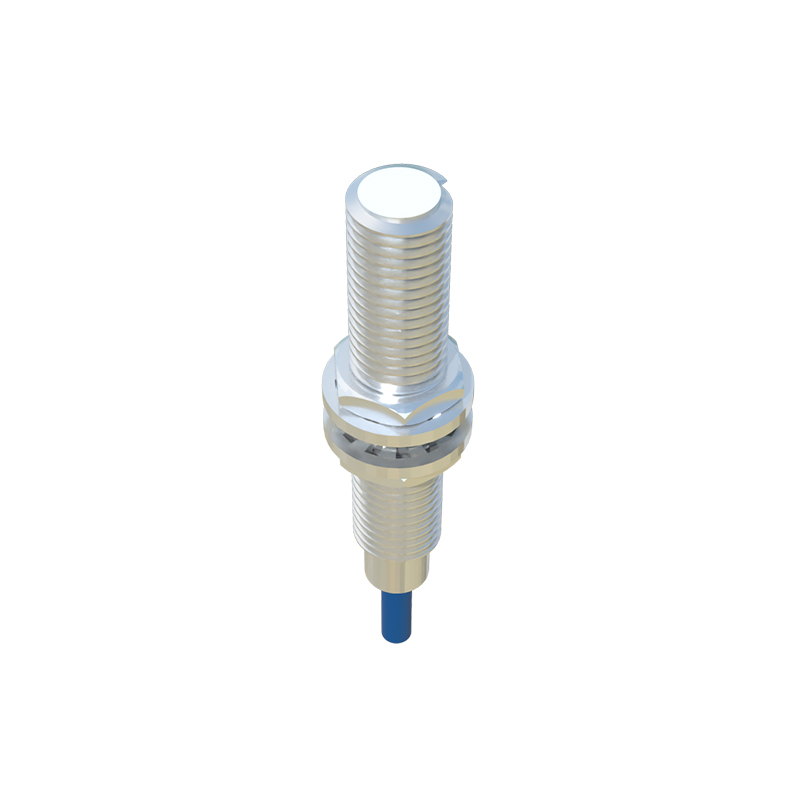
Technological Innovations and Design Trends
Recent advancements in infrared proximity sensor technology focus on miniaturization, energy efficiency, and integration capabilities. Manufacturers are developing sensors with smaller footprints to fit compact devices like wearables and drones, while maintaining high detection ranges. Innovations include the use of advanced materials, such as silicon photodiodes, to improve sensitivity and reduce noise interference. Furthermore, the integration of digital interfaces, like I2C and SPI, allows seamless connectivity with microcontrollers and IoT platforms. Another trend is the adoption of multi-sensor modules that combine proximity detection with ambient light sensing or gesture recognition, enabling smarter user interfaces in consumer electronics. These innovations reflect a shift toward versatile, application-specific designs that meet evolving industry demands.
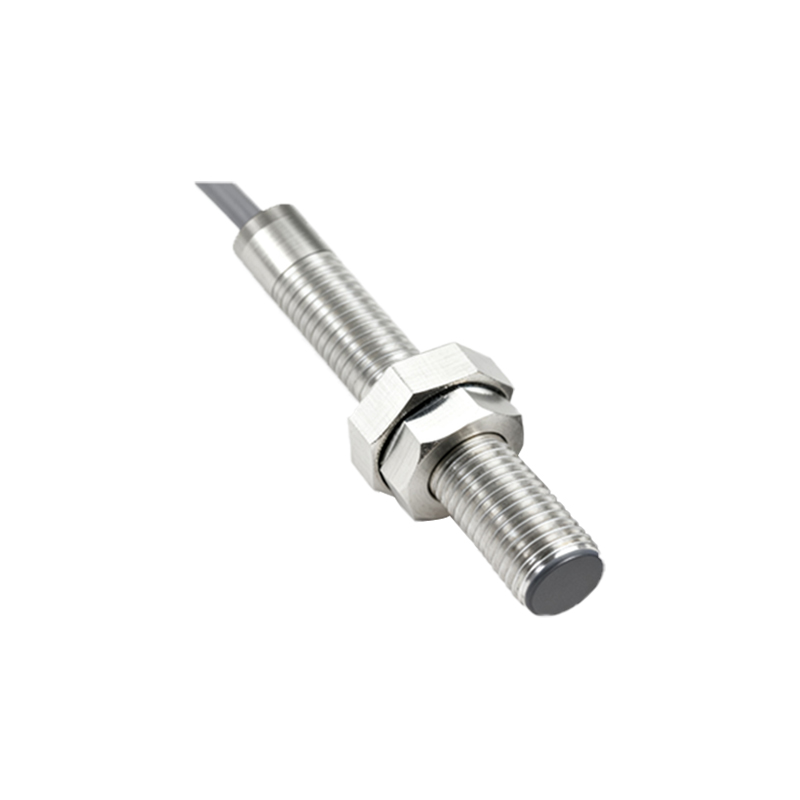
Applications Across Various Industries
Infrared proximity sensors find diverse applications across multiple sectors, highlighting their versatility and importance. In the automotive industry, they are used for parking assistance, collision avoidance systems, and driver monitoring to enhance safety. Consumer electronics, such as smartphones and tablets, employ these sensors for touchscreen deactivation during calls and gesture-based controls. In robotics, sensors enable obstacle detection and navigation in autonomous machines. Industrial automation relies on them for object counting, level sensing, and machine safety protocols. Additionally, healthcare devices utilize infrared sensors for non-contact temperature measurement and patient monitoring. This broad applicability underscores the critical role of manufacturers in tailoring sensors to specific operational needs.
Quality Standards and Manufacturing Processes
To ensure reliability and performance, infrared proximity sensor manufacturers adhere to stringent quality standards and optimized production processes. ISO certifications, such as ISO 9001 for quality management and ISO 14001 for environmental compliance, are common among top manufacturers. The manufacturing process involves precise assembly of infrared LEDs, photodetectors, and optical components in cleanroom environments to minimize contamination. Advanced testing protocols, including environmental stress tests and calibration against standard references, guarantee sensor accuracy under varying conditions. Manufacturers also focus on sustainable practices, such as reducing hazardous materials and energy consumption, to align with global environmental regulations and customer expectations for eco-friendly products.
Challenges and Future Outlook
Despite their widespread use, infrared proximity sensor manufacturers face challenges like cost pressures, competition from alternative technologies (e.g., ultrasonic sensors), and technical issues such as interference from sunlight or other IR sources. To address these, companies are investing in R&D for adaptive algorithms and hybrid sensor systems that combine multiple detection methods. The future outlook is promising, with growth driven by expanding applications in smart homes, autonomous vehicles, and Industry 4.0. Innovations in AI and machine learning are expected to enable predictive maintenance and enhanced contextual awareness. As demand rises, manufacturers will likely focus on scalable production and customization to cater to niche markets, ensuring continued evolution in this vital industry.