In the world of industrial automation and smart devices, proximity sensors stand as silent sentinels, enabling countless processes to function with precision and reliability. These non-contact detection devices are fundamental components, yet selecting the right "proximity sensor solution" requires a clear understanding of the options and their ideal applications. This guide provides a detailed overview to help navigate the selection process.
At its core, a proximity sensor detects the presence or absence of an object within a specified range without physical contact. This is achieved by emitting an electromagnetic field or a beam of radiation and looking for changes in the field or return signal. The key advantage is the elimination of mechanical wear and tear, leading to higher longevity and reliability in demanding environments like manufacturing lines, automotive assembly, and material handling systems.
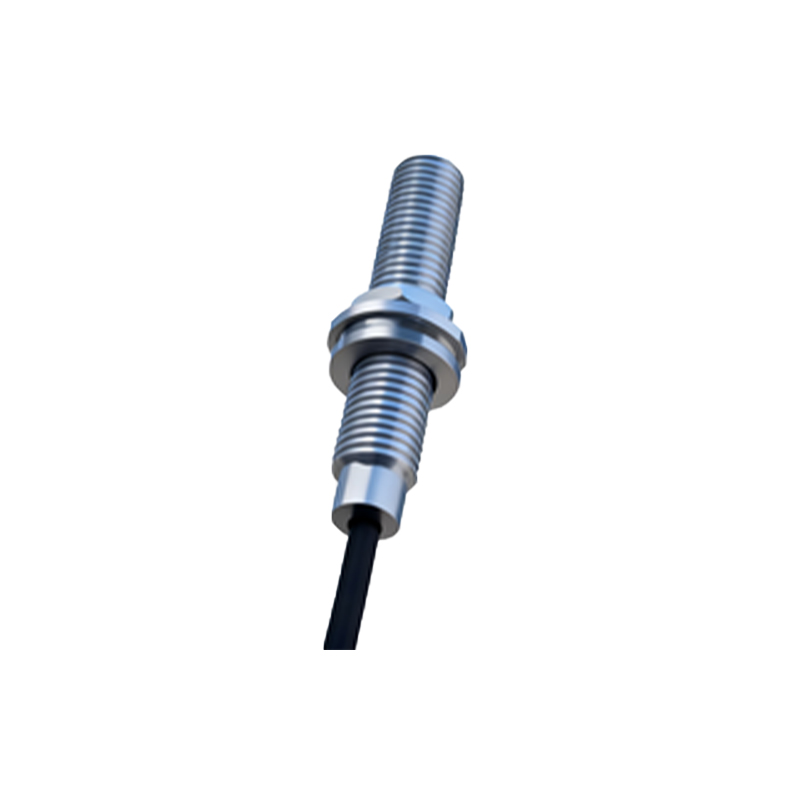
The primary technologies define the sensor's capabilities and limitations. Inductive proximity sensors are the workhorses for detecting metallic objects. They generate an oscillating electromagnetic field. When a metal target enters this field, it induces eddy currents, causing a change in oscillation amplitude that triggers the sensor's switch. They are robust, resistant to dirt and moisture, and perfect for counting metal parts or determining the position of a machine element.
Capacitive proximity sensors, on the other hand, can detect both metallic and non-metallic materials, including liquids, plastics, wood, and granules. They function by measuring changes in capacitance between the sensor and the target. This makes them versatile for applications like liquid level detection in tanks, monitoring paper or plastic film in packaging, or sensing the presence of glass bottles.
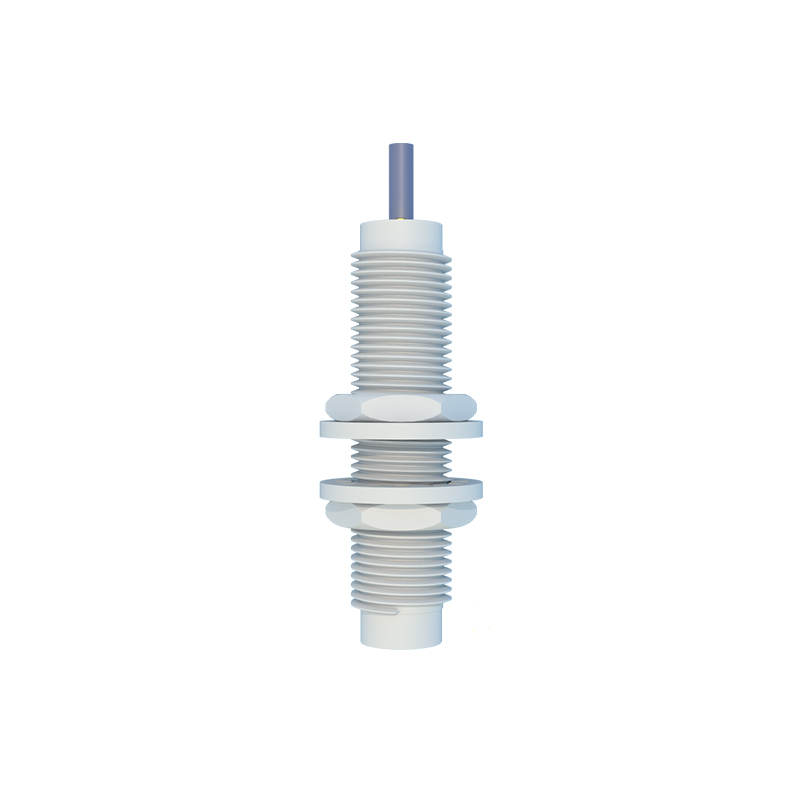
For longer ranges and precise detection of any object, photoelectric sensors use light. An emitter sends a light beam (often infrared, laser, or visible red) to a receiver. The sensor triggers when the target interrupts (through-beam) or reflects (reflective or diffuse) this beam. They are excellent for detecting small objects, seeing through transparent materials, or operating over distances of several meters.
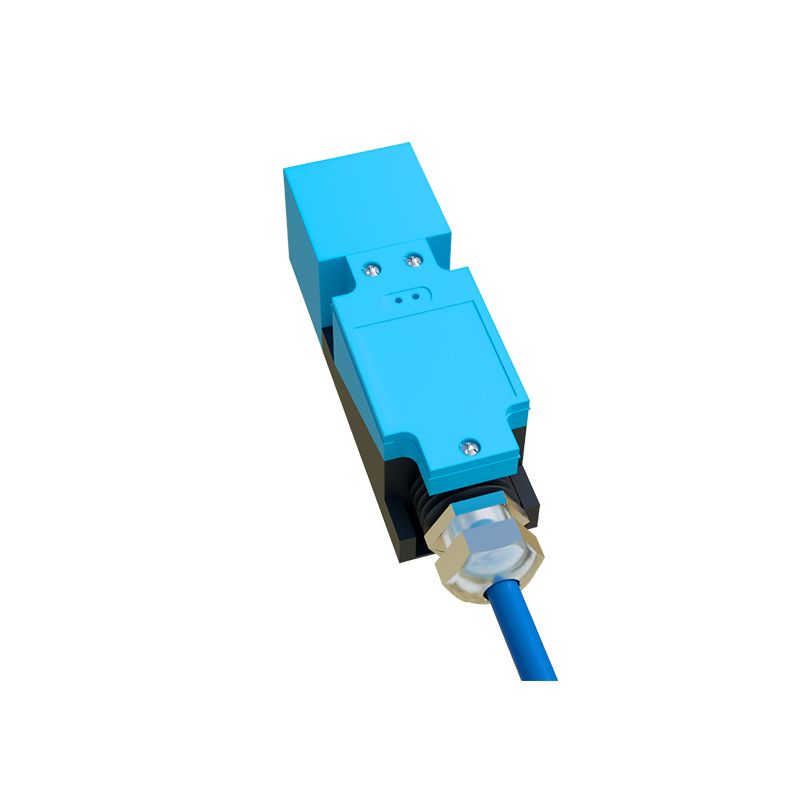
Ultrasonic sensors use sound waves, measuring the time it takes for an echo to return. They are largely material-independent and excel in challenging conditions with dust, smoke, or vapors. Common uses include distance measurement, level sensing in bulk solid bins, and detecting transparent or variably colored objects that photoelectric sensors might miss.
Selecting the correct sensor involves answering several key questions. First, what is the target material? Metal detection points directly to inductive sensors, while non-metals require capacitive, photoelectric, or ultrasonic. Second, what is the required sensing distance? Inductive sensors typically have shorter ranges (a few millimeters to tens of millimeters), while photoelectric and ultrasonic sensors offer much longer ranges. The operating environment is critical; consider factors like temperature extremes, washdown conditions (requiring high IP ratings), and exposure to chemicals or welding spatter.
Electrical output is another vital consideration. Most sensors provide a digital switch output (NPN or PNP for DC models, NO/NC). Analog output sensors (4-20mA, 0-10V) are used for continuous distance measurement. The physical housing size and shape (barrel, rectangular, ring-shaped) must fit the installation space. Finally, connectivity is evolving, with IO-Link and other smart sensors providing detailed diagnostic data and parameterization directly to the control system, enabling predictive maintenance and easier setup.
In practice, the right solution unlocks efficiency. An inductive sensor reliably detects the position of a metal piston in a pneumatic cylinder. A capacitive sensor ensures a glue tank has sufficient adhesive. A photoelectric through-beam sensor counts boxes on a high-speed conveyor. An ultrasonic sensor maintains the proper fill level of powder in a hopper. Understanding these principles prevents common pitfalls like incorrect sensor type for the material, inadequate sensing range, or choosing a sensor not rated for the environmental conditions.
Maintenance, though minimal, involves ensuring the sensing face remains clean and unobstructed, verifying the power supply is stable, and periodically checking the alignment for optical types. Modern sensors with built-in diagnostics, like LED status indicators or IO-Link functionality, significantly simplify troubleshooting.
Ultimately, there is no single universal "answer." The optimal proximity sensor solution is a deliberate match between the sensor's inherent technology and the specific demands of the application—target, environment, range, and required output. By systematically evaluating these parameters, engineers and technicians can ensure reliable, maintenance-free operation, forming the dependable backbone of automated systems. The journey from question to solution is a process of aligning technical specifications with real-world needs, a fundamental step in building smarter, more responsive industrial and technological ecosystems.