In the rapidly evolving landscape of automotive technology, a quiet revolution is underway, fundamentally changing how vehicles perceive and interact with their environment. At the heart of this transformation lies a sophisticated class of components: laser-based automotive sensors. These devices, often operating imperceptibly, form the backbone of advanced driver-assistance systems (ADAS) and are the cornerstone of the push toward fully autonomous driving.
The primary function of these sensors is to create a precise, real-time, three-dimensional map of the vehicle's surroundings. Unlike cameras that rely on ambient light or radar that uses radio waves, laser sensors, most commonly in the form of LiDAR (Light Detection and Ranging), emit pulses of invisible laser light. Each pulse travels outward, strikes an object—be it another car, a pedestrian, a curb, or a traffic sign—and reflects back to the sensor. By meticulously measuring the time it takes for each light pulse to return, the sensor's onboard computer can calculate distances with extraordinary accuracy, often down to the centimeter. This process, repeated millions of times per second from a rapidly rotating or solid-state unit, generates a dynamic, high-resolution point cloud—a detailed digital representation of the world around the car.
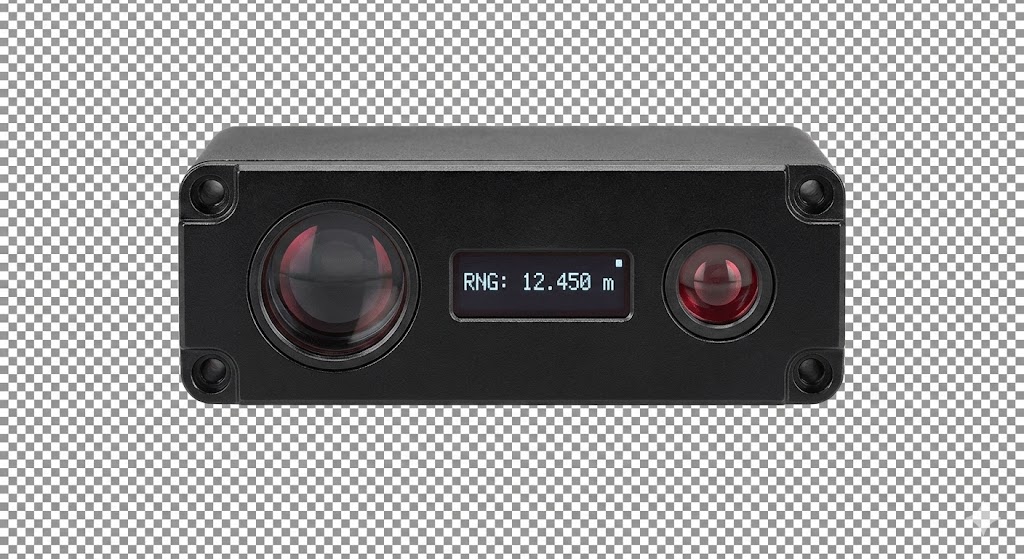
This capability translates into several critical and life-saving functions. One of the most significant is precise object detection and classification. While a camera might see a blurry shape in heavy fog, a laser sensor can accurately determine the distance, size, and contour of that object, distinguishing with high confidence between a plastic bag drifting across the road and a child stepping off the curb. This is paramount for features like Automatic Emergency Braking (AEB) and Pedestrian Detection systems, where a fraction of a second and a few centimeters can mean the difference between a near-miss and a collision.
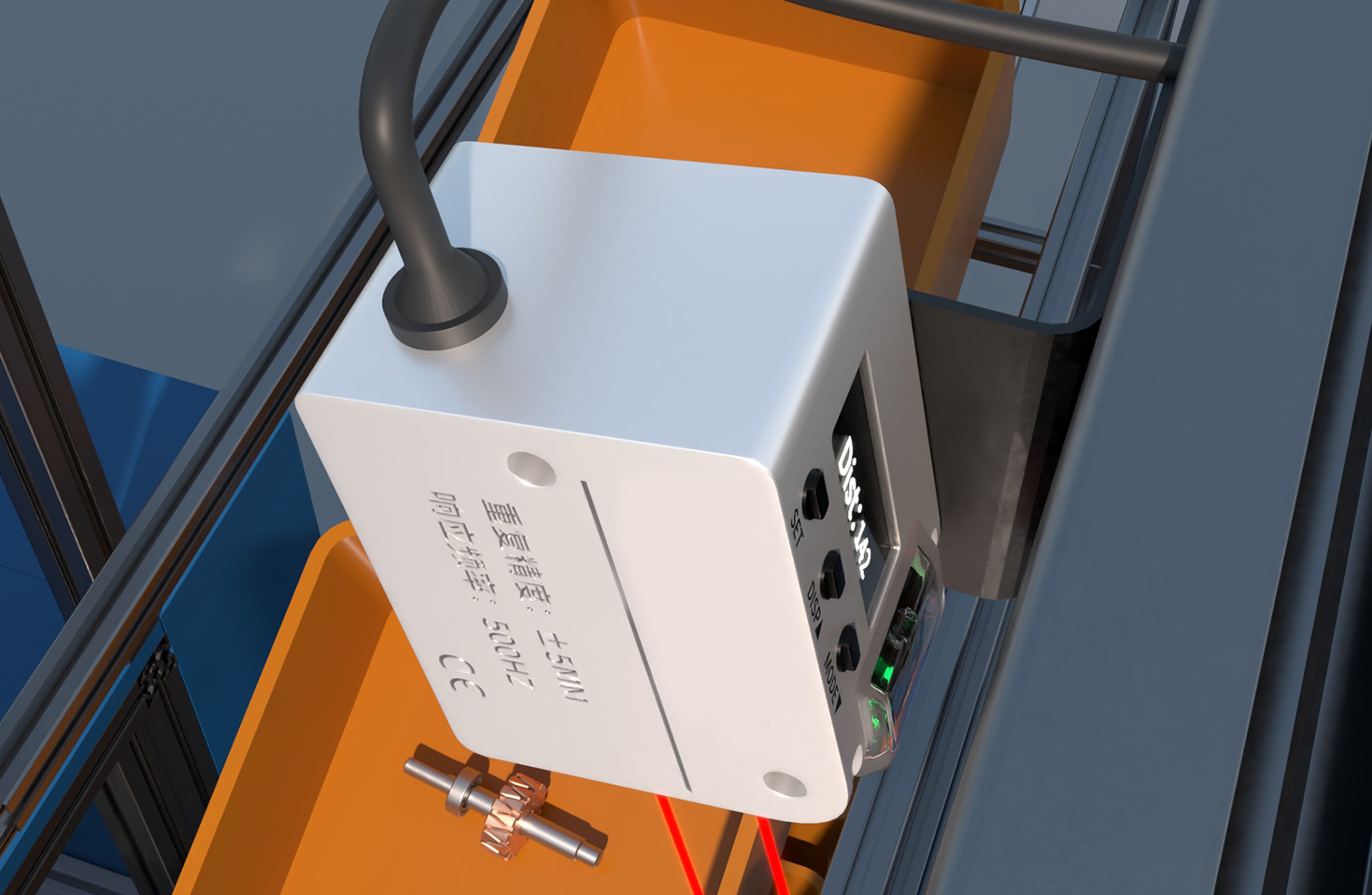
Furthermore, laser sensors are indispensable for accurate environmental modeling and path planning, especially for autonomous vehicles. They enable the car to understand complex scenarios: the exact curvature of a winding road, the position of lane markings when they are faded or covered in snow, or the intricate geometry of a busy urban intersection filled with moving vehicles, cyclists, and street furniture. This rich data is fused with inputs from cameras and radar to create a robust, redundant perception system. Cameras provide color, texture, and semantic information (like reading a stop sign), radar excels at measuring velocity directly and performing well in poor weather, and laser sensors deliver the precise geometric fidelity that the other two may lack.
Another vital role is in adaptive cruise control and traffic jam assist systems. Here, laser sensors, particularly short-range variants, continuously monitor the distance to the vehicle directly ahead. They allow the host car to maintain a safe, set following distance, automatically adjusting speed in response to the lead car's actions, bringing the vehicle to a complete stop in traffic and resuming motion smoothly. This reduces driver fatigue and enhances safety on congested highways.
Despite their advantages, the technology faces challenges. Performance can degrade in severe weather conditions like heavy rain, snow, or fog, as the laser pulses can be scattered or absorbed by water droplets. Early systems were also prohibitively expensive and bulky, with rotating mechanical components. However, the industry is making tremendous strides. The advent of solid-state LiDAR, which has no moving parts, promises greater reliability, smaller form factors, and drastically reduced costs, paving the way for wider adoption beyond luxury vehicles.
Looking ahead, the role of laser sensors is set to expand further. They are key to enabling higher levels of vehicle automation, from highway chauffeur systems to fully driverless urban mobility services. Their integration is also crucial for developing detailed high-definition maps and for vehicle-to-infrastructure communication, where a sensor could precisely identify and communicate with a specific smart traffic light.
In conclusion, laser automotive sensors act as the high-precision eyes of a modern vehicle. They provide the detailed spatial awareness that is non-negotiable for safety and autonomy. By delivering an accurate, three-dimensional understanding of the environment in real-time, they empower vehicles to make smarter, faster, and safer decisions. As the technology continues to mature and become more accessible, its function will shift from being an advanced feature to an essential, standard component in the journey toward safer roads and the future of transportation.