Introduction to Proximity Sensors
Proximity sensors are essential components in modern industrial automation, enabling non-contact detection of objects. These devices are widely used in manufacturing, robotics, and safety systems due to their reliability and precision. Selecting the right brand is crucial for ensuring optimal performance, durability, and compatibility with various applications. This article explores leading brands in the proximity sensor market, highlighting their strengths and typical use cases.
Key Factors in Choosing a Brand
When evaluating proximity sensor brands, several factors should be considered. First, product quality and consistency are paramount; sensors must deliver accurate readings under harsh conditions like extreme temperatures or vibrations. Second, technological innovation plays a role, with features such as IO-Link connectivity or enhanced sensing ranges offering added value. Third, global support and availability ensure minimal downtime through easy access to replacements and technical assistance. Lastly, cost-effectiveness balances upfront pricing with long-term reliability, reducing total ownership expenses.
Siemens: Precision and Integration
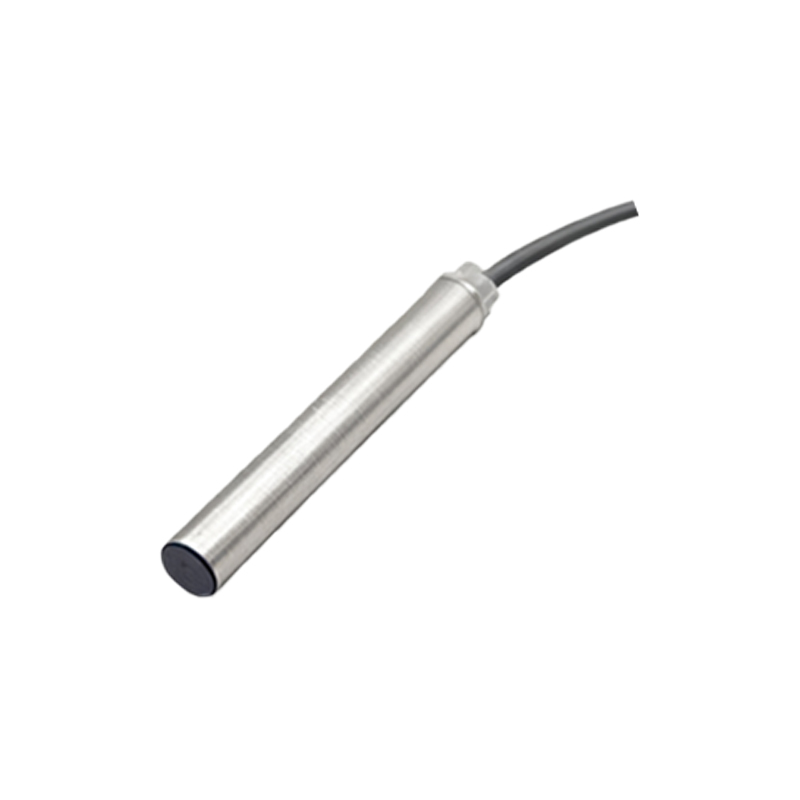
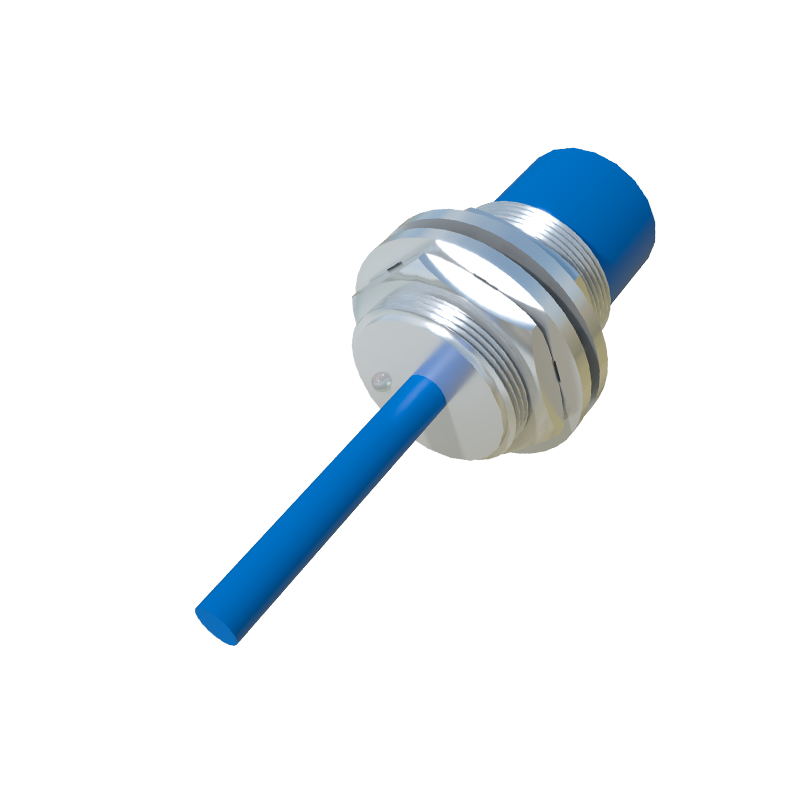
Siemens stands out as a top-tier brand in industrial automation, offering a comprehensive range of inductive, capacitive, and ultrasonic proximity sensors. Known for high precision and robust construction, Siemens sensors integrate seamlessly with PLC systems and other automation components. Their products often feature advanced diagnostics and resistance to environmental factors, making them ideal for complex manufacturing lines. Siemens' global network provides extensive support, ensuring reliable operation in critical applications worldwide.
Omron: Innovation and Reliability
Omron is renowned for its innovative sensor technologies, including compact designs and enhanced sensing capabilities. The brand's proximity sensors excel in durability, with models capable of withstanding heavy industrial use. Omron emphasizes user-friendly features, such as easy installation and calibration, which reduce setup time. Additionally, their sensors are compatible with diverse industries, from automotive to packaging, offering versatile solutions for detection tasks. Omron's commitment to research ensures continuous improvements in performance and efficiency.
Pepperl+Fuchs: Specialized Solutions
Pepperl+Fuchs specializes in sensor and explosion protection technology, making it a preferred choice for hazardous environments. Their proximity sensors are designed with high immunity to interference and exceptional longevity. The brand offers a wide selection, including inductive, capacitive, and magnetic sensors, tailored for specific industrial needs. Pepperl+Fuchs focuses on customization, providing sensors that meet unique application requirements, such as those in chemical plants or mining operations. Their expertise in safety standards adds an extra layer of reliability.
Rockwell Automation: System Compatibility
Rockwell Automation provides proximity sensors that are optimized for integration with their Allen-Bradley control systems. This brand emphasizes seamless connectivity and ease of use within larger automation networks. Rockwell's sensors are built for high performance in demanding settings, featuring rugged enclosures and precise detection ranges. They offer extensive product lines, including tubular and rectangular sensors, suitable for various mounting configurations. Rockwell's focus on system-wide compatibility enhances operational efficiency and reduces integration challenges.
Balluff: Flexibility and Performance
Balluff is recognized for its flexible and high-performance sensor solutions, catering to diverse industrial applications. Their proximity sensors include innovative options like RFID-integrated models and multi-technology devices. Balluff emphasizes precision and speed, with sensors capable of fast response times and accurate object detection. The brand also provides robust customer support and customization services, allowing for tailored solutions in automation projects. Balluff's products are commonly used in automotive, logistics, and material handling industries.
Conclusion and Recommendations
Choosing the right proximity sensor brand depends on specific application needs, such as environmental conditions, integration requirements, and budget constraints. Siemens and Omron are excellent for general-purpose use with strong support networks. Pepperl+Fuchs excels in hazardous areas, while Rockwell Automation is ideal for systems using compatible controls. Balluff offers versatility for specialized tasks. Evaluating these brands based on key factors ensures reliable and efficient sensor performance in industrial operations.