Understanding the Core Technologies
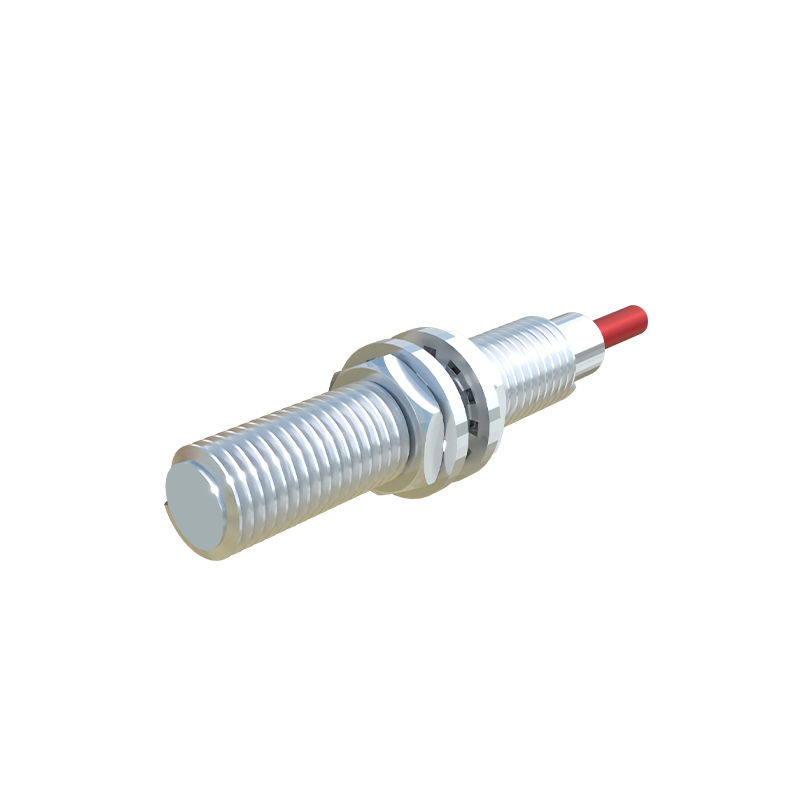
Proximity sensors and metal detectors are both pivotal in industrial automation and control systems, yet they operate on fundamentally different principles. A proximity sensor is a non-contact device designed to detect the presence or absence of an object within a specified range without physical contact. Common types include inductive, capacitive, ultrasonic, and photoelectric sensors. Inductive proximity sensors, the most relevant for metal detection, generate an electromagnetic field. When a metallic object enters this field, it induces eddy currents, causing a change in the sensor's oscillation amplitude, which is then converted into a switching signal. In contrast, a metal detector typically utilizes a balanced coil system or a pulse induction system to create a primary magnetic field. The presence of any metal disturbs this field, inducing a secondary field that is detected and analyzed to signal the presence of metallic material, often regardless of whether it is in motion or stationary.
Primary Functions and Detection Capabilities
The functional distinction is clear. Proximity sensors are primarily used for precise positioning, counting, and limit switching in machinery. An inductive proximity sensor is highly effective for detecting ferrous and non-ferrous metals but at very short ranges, typically from a few millimeters up to about 60 millimeters. Its detection is reliable for specific, expected objects at a known distance. Metal detectors, however, are designed for search, identification, and separation applications. They can detect metallic contaminants in food, plastics, or textiles on conveyor belts, locate buried pipes or cables, and are used in security screening. Their detection range can be significantly larger, from a few centimeters to several meters deep for ground-search models, and they are sensitive to a wider variety of metal types and sizes, albeit often with less positional precision than a proximity sensor.
Key Performance Parameters and Selection Criteria
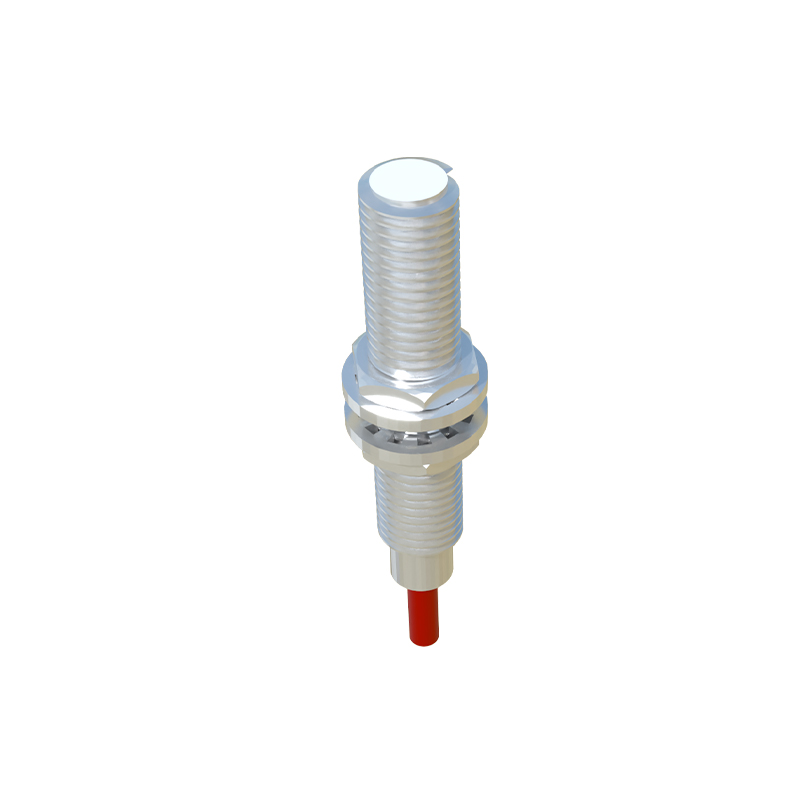
Selecting between these technologies depends on several key parameters. For proximity sensors, critical specs include sensing distance, repeat accuracy, response frequency, and housing material (e.g., stainless steel for rugged environments). The target material's properties (e.g., steel, aluminum, copper) directly affect the sensing distance of an inductive sensor. For metal detectors, sensitivity (often to a specific sphere size), phase discrimination (to ignore certain metals like "product effect" in food), throughput speed, and environmental noise immunity are paramount. The choice hinges on the application's core need: is it about the precise presence/absence of an object at a point (use a proximity sensor), or is it about finding any metal within a volume or stream (use a metal detector)?
Typical Industrial Applications and Use Cases
In a modern factory, these devices play complementary roles. Proximity sensors are ubiquitous on assembly lines, robotic arms, and CNC machines. They verify if a metal part is in place for welding, count passing bottles with metal caps, or control the end position of a cylinder. Metal detectors are commonly installed in food processing and pharmaceutical packaging lines to ensure product purity by removing metal fragments. They are also used in recycling plants to sort metals from waste, in the mining industry for ore detection, and in construction for rebar location. It is not uncommon to see both on one line: proximity sensors managing the mechanical flow and a metal detector inspecting the product itself.
Installation, Integration, and Operational Considerations
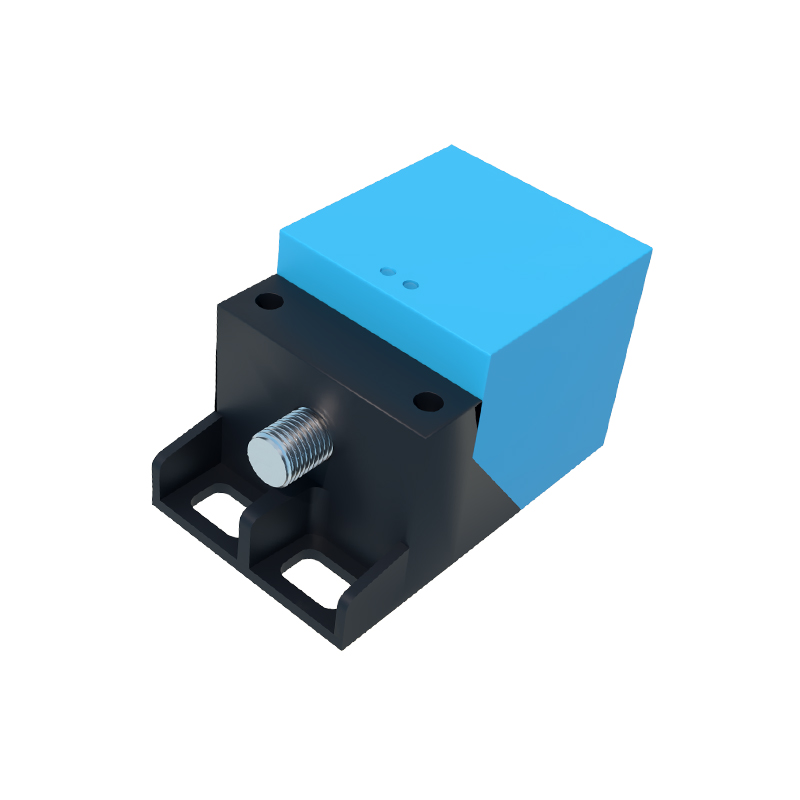
Installation and integration present different challenges. Proximity sensors are relatively straightforward to integrate into PLC (Programmable Logic Controller) systems, providing a simple digital on/off signal. They require careful mounting to avoid mutual interference if multiple sensors are placed close together. Metal detectors require more complex integration, often involving dedicated control units and sophisticated software for sensitivity setting and product compensation. Their performance can be affected by surrounding metal ("metal-free zones" are required), vibration, and electrical noise. Operational costs also differ; proximity sensors are generally low-maintenance, while metal detectors may require regular calibration and testing to meet stringent safety or quality standards.
Advancements and Future Trends
Technological advancements continue to enhance both fields. Smart proximity sensors with IO-Link communication provide detailed diagnostic data and parameterization remotely. There is a trend towards miniaturization and increased switching frequencies for high-speed automation. In metal detection, multi-frequency and simultaneous multi-frequency technology dramatically improve sensitivity and discrimination in challenging products like fresh meat or conductive packaged goods. Furthermore, the integration of AI and machine learning for data analysis from metal detectors is beginning to enable predictive maintenance and even more accurate foreign object identification, blurring the lines towards advanced vision systems.