Introduction to Proximity Sensor Replacement
In the dynamic field of industrial automation, the need for reliable and cost-effective components is perpetual. MISUMI proximity sensors have been a staple in many systems, known for their availability and integration within broader component ecosystems. However, engineers often encounter scenarios requiring alternatives—whether due to supply chain constraints, specific performance requirements, cost optimization, or the desire for enhanced features. Selecting a suitable replacement involves a meticulous technical evaluation beyond mere form-factor matching. This guide provides a structured approach for electrical engineers seeking robust alternatives to standard MISUMI proximity sensors, focusing on inductive and capacitive types commonly used in metal detection and level sensing applications.
Key Technical Parameters for Evaluation
The cornerstone of a successful replacement is a thorough understanding of the sensor's specifications. First, determine the sensing type: inductive (for metals) or capacitive (for metals, liquids, plastics). Next, scrutinize the electrical characteristics. The operating voltage range (e.g., 10-30V DC) and output type (PNP/NPN, NO/NC) must be identical to ensure PLC compatibility. The sensing distance, or nominal range, is critical; the alternative must meet or exceed the original's specification under the same installation conditions. Physical dimensions, thread size (like M8, M12, M18), and housing material (often nickel-plated brass or stainless steel) are vital for mechanical fit. Finally, consider response frequency, temperature rating, and protection class (IP67/IP68 for harsh environments). Documenting all parameters from the existing MISUMI sensor's datasheet is the essential first step.
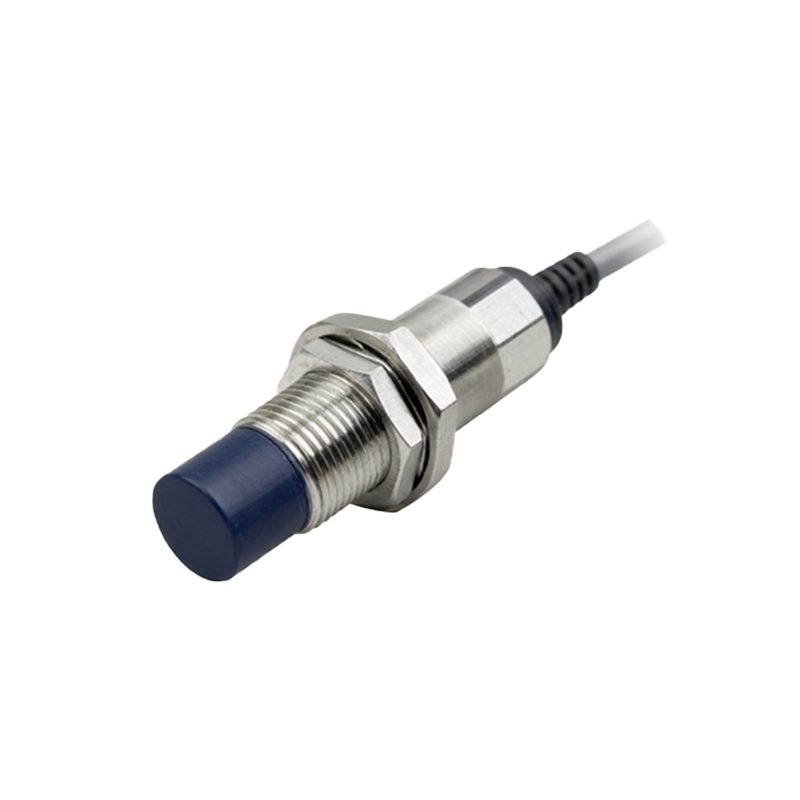
Leading Alternative Brands and Their Offerings
Several global manufacturers produce high-quality proximity sensors that serve as direct or adapted replacements for MISUMI models. Brands like Omron, Sick, Pepperl+Fuchs, and Balluff are renowned for their reliability and innovation. For instance, Omron's E2E series offers a vast selection of cylindrical inductive sensors with superior noise immunity. Sick's proximity sensors are celebrated for their precision in demanding logistic and packaging applications. Pepperl+Fuchs provides extensive options with advanced features like weld-field immunity, crucial in automotive manufacturing. Balluff specializes in miniaturized sensors and RFID systems, offering compact solutions where space is constrained. These brands often provide detailed cross-reference tools, enabling engineers to find a model matching the electrical and mechanical footprint of a MISUMI part.
Performance and Environmental Considerations
A true alternative must perform reliably in the target application's environment. Evaluate the alternative sensor's performance in the presence of electromagnetic interference (EMI), which is common near motors and drives. Sensors with advanced shielding are preferable. For washdown areas in food & beverage or pharmaceutical industries, the housing material and sealing integrity (IP69K rating) are paramount. In high-cycle applications, the sensor's switching frequency and repeat accuracy become decisive factors. Furthermore, consider the target material. For inductive sensors, the sensing distance varies with the type of metal (steel, aluminum, brass). A reputable alternative will provide correction factors for different metals, ensuring consistent performance. Always request samples for real-world testing before full-scale procurement.
Integration and Wiring Compatibility
Electrical and mechanical integration is a practical hurdle. Most industrial proximity sensors use standardized M8 or M12 quick-disconnect connectors. Verify that the alternative sensor's connector type, pin assignment, and cable length match the existing harness. Some alternatives may require a different connector, necessitating a change in the mating cable end—a small but important logistical detail. For block-style sensors, mounting hole patterns and orientation must align. Additionally, some advanced sensors offer diagnostic LEDs or IO-Link digital communication for predictive maintenance. While these features add value, ensure your control system can utilize them, or that the sensor can operate in a standard switching mode without requiring additional configuration.
Cost-Benefit and Supply Chain Analysis
Beyond technical specs, commercial factors are decisive. While some alternatives may have a higher unit cost, they might offer longer life, reducing total cost of ownership. Conversely, a more economical sensor must not compromise on critical reliability. Analyze the supplier's lead times, local stock availability, and technical support. A reliable local distributor can be more valuable than a marginally cheaper online source. Consider the manufacturer's reputation for quality control and warranty terms. In today's global landscape, diversifying your supplier base for critical components like sensors mitigates supply chain risk. An alternative that offers equal performance with better availability can significantly reduce machine downtime.
Conclusion and Best Practices
Replacing MISUMI proximity sensors is a common and manageable engineering task when approached systematically. Start with a complete technical audit of the installed sensor. Research alternatives