Introduction to Proximity Sensors and Housing Materials
Proximity switch sensors are fundamental components in modern industrial automation, providing non-contact detection of metallic objects. Their reliability directly impacts system uptime and safety. While the sensing technology—whether inductive, capacitive, or magnetic—is critical, the housing material plays an equally vital role in ensuring long-term performance. Among various enclosure options, stainless steel has emerged as the premier choice for demanding environments. This article delves into the specific advantages and applications of proximity sensors housed in robust stainless steel casings, exploring why this combination is indispensable for engineers seeking uncompromising durability.
Superior Corrosion and Chemical Resistance
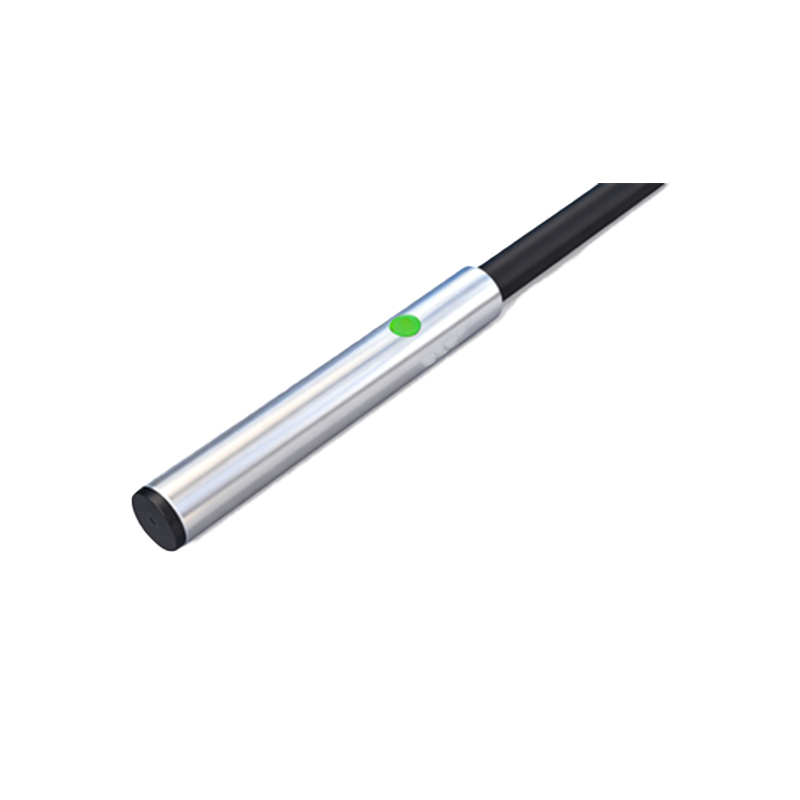
The primary advantage of a stainless steel housing is its exceptional resistance to corrosion and chemicals. Industrial settings often expose equipment to moisture, humidity, saline atmospheres, oils, coolants, and various cleaning agents. Standard plated brass or plastic housings can degrade, pit, or corrode under such conditions, leading to sensor failure. Austenitic stainless steel grades, such as 304 or 316L, form a passive chromium oxide layer that protects the core sensor from these aggressive elements. This makes stainless-housed sensors ideal for food and beverage processing, chemical plants, marine applications, and outdoor installations where environmental resilience is non-negotiable.
Enhanced Mechanical Strength and Impact Protection
Beyond chemical threats, industrial sensors face physical hazards like impacts, vibrations, and abrasion. The high tensile strength and hardness of stainless steel provide superior mechanical protection for the sensitive internal electronics. A stainless steel housing can withstand accidental knocks from machinery, tools, or processed materials without deforming or cracking. This ruggedness is crucial in heavy industries like metalworking, mining, and material handling, where equipment is subject to constant stress. The housing acts as a robust shield, ensuring the sensor maintains precise alignment and functionality even in the most punishing operational contexts.
Hygiene and Cleanability in Sensitive Environments
In industries with strict hygiene protocols, such as pharmaceutical manufacturing, dairy processing, and packaging, the cleanability of equipment is paramount. Stainless steel housings offer a non-porous, smooth surface that does not harbor bacteria or contaminants. They can withstand frequent, aggressive cleaning cycles involving high-pressure steam, caustic detergents, and high-temperature wash-downs without deteriorating. This ease of sterilization ensures that proximity sensors do not become a source of contamination, helping facilities comply with stringent standards like FDA, EHEDG, or 3-A Sanitary Standards. The material's inert nature also prevents any interaction with the product being processed.
Temperature Stability and Performance Consistency
Stainless steel exhibits excellent thermal properties, maintaining structural integrity across a wide temperature range. This stability is vital for proximity sensors operating in foundries, near furnaces, in refrigeration units, or in any application with significant thermal cycling. The housing minimizes the effects of thermal expansion and contraction on the sensor's internal components, ensuring consistent sensing distances and switch points. Furthermore, stainless steel's resistance to thermal shock prevents cracking when a sensor is rapidly exposed to temperature extremes, a common occurrence in many industrial processes.
Shielding and Electromagnetic Compatibility (EMC)
Industrial environments are often electrically noisy, with interference from motors, variable frequency drives (VFDs), and welding equipment. The metallic nature of a stainless steel housing provides inherent electromagnetic shielding. This shielding contains the sensor's own oscillator field more effectively, improving its stability and noise immunity. It also protects the internal circuitry from external electromagnetic interference (EMI), reducing the risk of false triggering or signal degradation. For engineers, this translates to more reliable signal integrity and reduced downtime spent troubleshooting electrical noise issues.
Considerations for Selection and Installation
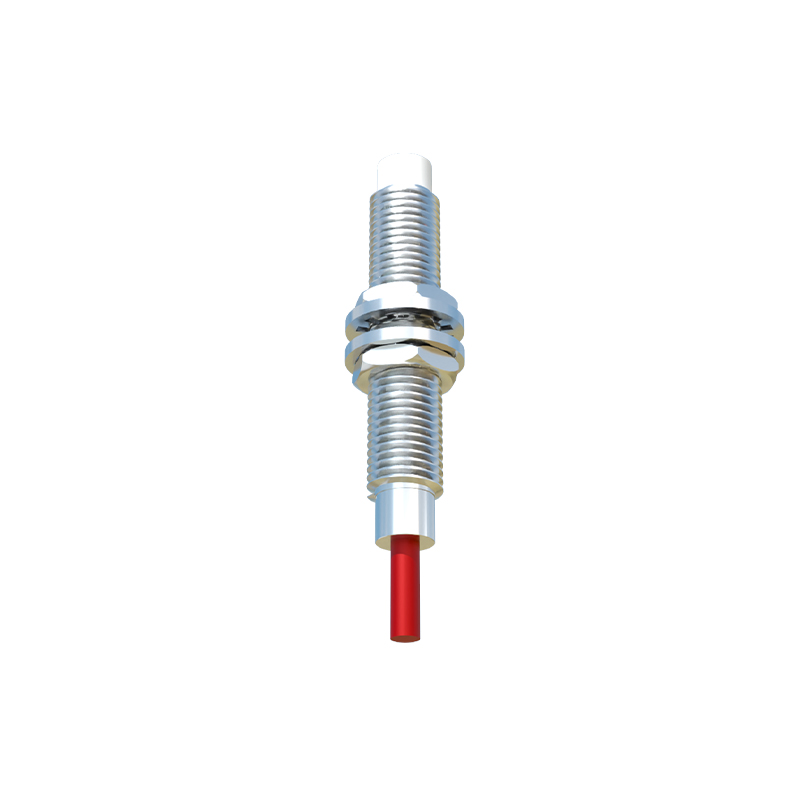
While the benefits are clear, specifying a proximity sensor with a stainless steel housing requires careful consideration. Engineers must verify the specific grade of stainless steel to match the environmental challenge—316L offers higher molybdenum content for superior pitting resistance in chloride environments compared to 304. The design of the housing, including factors like weld seams, sealing (typically achieved with PTFE or FKM seals for an IP67, IP68, or IP69K rating), and thread type, must be evaluated. Although the initial cost is higher than alternatives, the total cost of ownership is often lower due to extended service life, reduced maintenance, and fewer replacements.
Conclusion: A Strategic Investment for Reliability
Choosing a proximity switch sensor with a stainless steel housing is a strategic decision for any application where failure is not an option. It represents an investment in unparalleled durability, hygiene, and performance consistency. By providing a formidable barrier against corrosion, physical damage, thermal