Introduction to Photoelectric Proximity Switches
Photoelectric proximity switches, a cornerstone of modern industrial automation, utilize light beams to detect the presence, absence, or distance of objects without physical contact. Turck, a globally recognized leader in sensor technology, has engineered a comprehensive range of these switches to meet the rigorous demands of diverse applications. These devices operate by emitting a light beam—typically infrared, visible red, or laser—from a transmitter. A receiver then detects the light. An object's presence interrupts or reflects this beam, triggering a switching signal. This non-contact principle ensures high reliability, long operational life, and minimal maintenance, making Turck's photoelectric sensors indispensable in packaging, material handling, automotive assembly, and food processing industries.
Core Operating Principles and Technologies
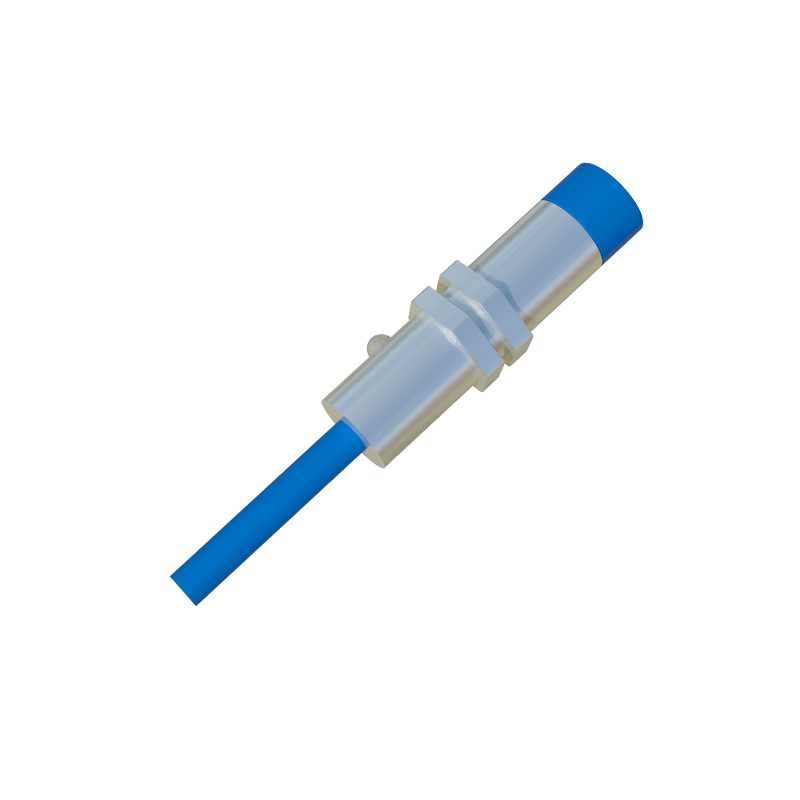
Turck's photoelectric switches are available in several key operating modes, each suited for specific detection challenges. The through-beam mode employs separate transmitter and receiver units. It offers the longest sensing ranges and highest reliability, as it directly detects the interruption of the light beam. The retro-reflective mode uses a single unit that emits light and a reflector to bounce it back. It is ideal for detecting objects that may not be perfectly aligned. Finally, the diffuse mode, or proximity mode, has the emitter and receiver in one housing. It detects objects by measuring the light reflected directly from the target's surface. Turck enhances these modes with advanced technologies like background suppression, which ignores reflections from distant surfaces, and precise laser models for detecting minute objects or precise positioning tasks.
Key Features and Robust Design
Engineered for industrial endurance, Turck photoelectric proximity switches boast a suite of robust features. Their housings are typically constructed from high-grade stainless steel or rugged plastics with IP67, IP68, or IP69K ratings, ensuring resistance to dust, water jets, high-pressure cleaning, and corrosive chemicals. Many models feature integrated M12 or M8 quick-disconnect connectors, facilitating easy installation and replacement. Advanced electronic designs provide exceptional immunity to ambient light interference from factory lighting or sunlight. Additional functionalities include adjustable sensing ranges, teach-in capabilities for setting thresholds, and IO-Link communication for digital data exchange and parameterization, aligning with Industry 4.0 connectivity requirements.
Application-Specific Solutions and Versatility
The versatility of Turck's portfolio allows for precise solution matching. In logistics, miniature sensors count boxes on high-speed conveyors. In the automotive sector, ruggedized sensors with precise background suppression detect transparent windshield glass on assembly lines. Food and beverage applications benefit from hygienic designs with smooth surfaces and FDA-compliant materials that withstand frequent washdowns. Furthermore, special models are available for challenging conditions, such as detecting low-contrast objects, sensing in environments filled with steam or foam, or performing accurate distance measurements for positioning control. This application-focused design philosophy ensures optimal performance and reliability.
Advantages Over Other Sensing Methods
Compared to inductive or capacitive proximity switches, Turck's photoelectric sensors provide distinct advantages. They can detect virtually any material—metal, plastic, wood, glass, or liquid—regardless of color or conductivity, provided it influences the light beam. They achieve significantly longer sensing distances, from a few centimeters up to several meters. While inductive sensors are limited to metals and capacitive sensors can be influenced by environmental humidity, photoelectric switches offer greater application flexibility. Their fast response speed and high switching frequency make them perfect for high-throughput production lines where every millisecond counts.
Installation, Configuration, and Best Practices
Proper installation is critical for optimal performance. Technicians must ensure correct alignment between transmitter and receiver in through-beam setups and select the appropriate mounting brackets. For diffuse sensors, the sensing distance can be affected by the target's color, material, and surface finish; light-colored, reflective objects are detected at greater ranges than dark, absorbent ones. Turck simplifies configuration with features like push-button teach-in and potentiometers for fine-tuning. Best practices include keeping lenses clean from dust or debris, avoiding optical cross-talk between adjacent sensors, and using sunshades or filters in environments with intense ambient light to prevent false triggering.
Conclusion: Enabling Smarter Automation
Turck's photoelectric proximity switches represent a fusion of precision optics, robust engineering, and intelligent electronics. They provide a reliable, versatile, and non-contact sensing solution that forms the sensory foundation of automated systems. By offering long service life, minimal downtime, and seamless integration into digital networks, these sensors directly contribute to enhanced productivity, improved quality control, and the realization of more efficient, smarter factories. As automation evolves, the