Proximity sensors are essential components in industrial automation, automotive systems, and consumer electronics. Selecting the appropriate model requires understanding key differentiating factors that impact performance and compatibility. This guide provides a systematic approach to distinguishing between proximity sensor models based on technical specifications, application requirements, and environmental considerations.
The primary classification of proximity sensors begins with their detection technology. Inductive sensors detect metallic objects using electromagnetic fields, with models varying in sensing range (typically 2-40mm) and oscillation frequency. Capacitive models identify both metallic and non-metallic materials through electrostatic field changes, featuring adjustable sensitivity levels. Ultrasonic sensors utilize sound wave reflection for longer-range detection (up to 8 meters), while photoelectric sensors employ light beams for precise positioning. Magnetic sensors, including reed switches and Hall effect variants, respond specifically to magnetic fields.
Model differentiation further depends on output configurations. Two-wire DC models simplify installation but require careful load matching. Three-wire DC sensors provide separate power, ground, and signal wires for improved reliability. NPN (sinking) and PNP (sourcing) outputs determine current flow direction, with regional preferences influencing model availability. Analog output models (0-10V or 4-20mA) enable distance proportional signaling, whereas digital models offer discrete on/off states. Some advanced models incorporate IO-Link communication for parameter configuration and diagnostics.
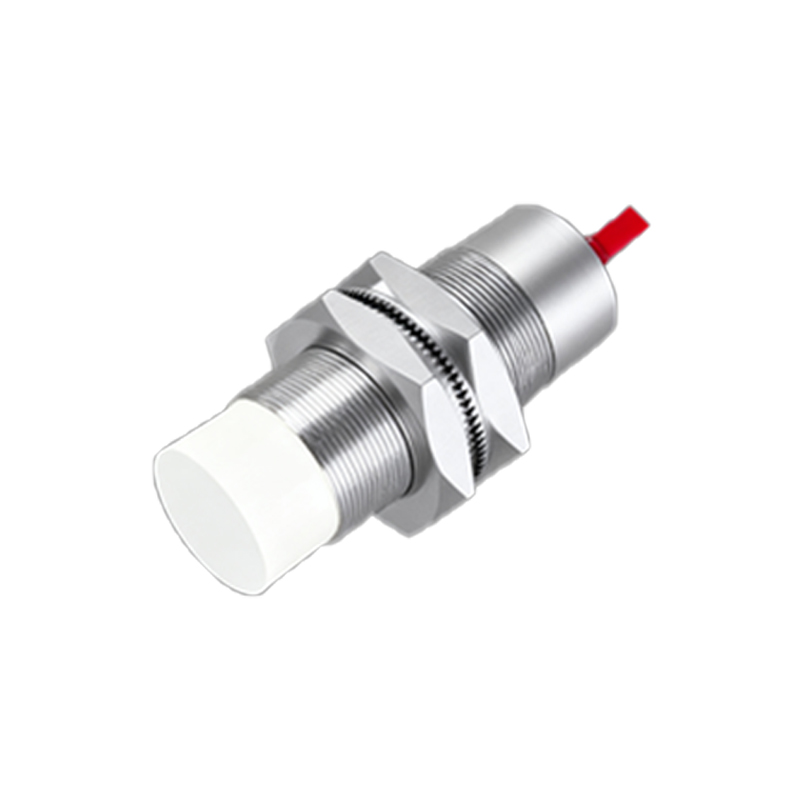
Physical characteristics significantly distinguish sensor models. Cylindrical housings (M8, M12, M18, M30 threads) dominate industrial applications, with flush-mounted variants allowing installation in confined spaces. Non-flush models provide extended sensing ranges but require clearance around the sensing face. Rectangular and slot-style housings accommodate specific mounting constraints. Environmental ratings, indicated by IP (Ingress Protection) codes (e.g., IP67, IP69K), define resistance to dust and water. Temperature tolerance ranges from -25°C to +85°C for standard models, with specialized variants exceeding these limits.
Electrical specifications create another layer of differentiation. Operating voltage ranges span 10-30V DC for most industrial models, with 20-250V AC models available for specific applications. Current consumption affects power supply design, while switching frequency (0.5-5kHz typically) determines response speed. Short-circuit protection, reverse polarity protection, and surge resistance indicate robustness levels. Models with LED status indicators simplify troubleshooting and commissioning processes.
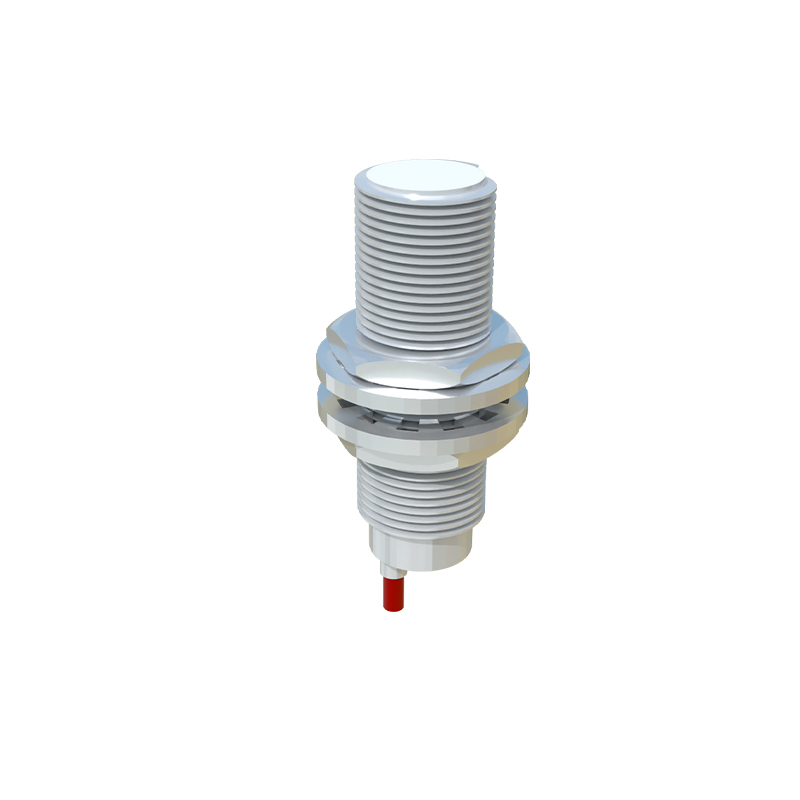
Application-specific features further segment the market. Factor 1 models (IEC 60947-5-2) provide enhanced reliability for safety-related functions. Welding-resistant models incorporate protective coatings and high-frequency noise immunity for automotive manufacturing. High-temperature models use specialized seals and components for foundry applications. Food-grade sensors feature stainless steel housings and FDA-compliant materials. Explosion-proof models (ATEX, IECEx certified) contain potential ignitions in hazardous areas.
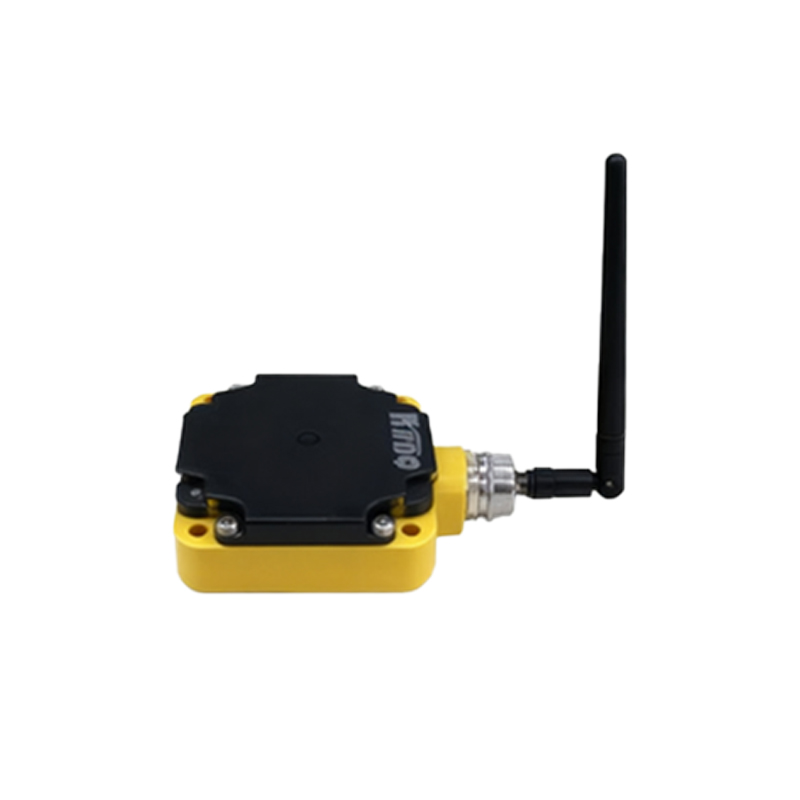
Manufacturers employ distinct part numbering systems that encode key attributes. Typical model numbers indicate sensing technology (e.g., "I" for inductive), housing style, sensing distance, output type, and connection method. Understanding these coding conventions enables quick identification of compatible alternatives across brands. Industry standards like IEC 60947-5-2 ensure basic interoperability, while manufacturer-specific enhancements create performance differentials.
Selection considerations must balance technical requirements with practical constraints. Sensing distance should exceed the maximum target distance by 10-15% to accommodate alignment tolerances. Target material and size affect sensor choice, with smaller targets requiring higher frequency models. Environmental factors like temperature extremes, chemical exposure, or mechanical vibration dictate housing and sealing requirements. Electrical compatibility with existing control systems prevents interface issues. Finally, lifecycle factors including mean time between failures (MTBF), availability of spare parts, and manufacturer support influence long-term reliability.
Regular model comparisons should include verification of dimensional drawings, electrical connection diagrams, and performance curves. Manufacturer datasheets provide critical information regarding temperature drift, hysteresis, and repeatability specifications. When replacing legacy sensors, document exact mounting dimensions, connector types, and output characteristics to ensure proper functionality. Cross-reference tools from major manufacturers simplify identification of equivalent models across product lines.
Technological advancements continue to expand differentiation parameters. Smart sensors with integrated diagnostics predict maintenance needs and communicate via industrial networks. Models with adjustable sensing ranges through teach-in functions increase application flexibility. Miniaturization enables installation in space-constrained applications like mobile devices and medical equipment. Energy-efficient designs reduce power consumption for battery-operated systems. Understanding these evolving features ensures optimal sensor selection for both current and future applications.
Proper model differentiation requires systematic evaluation of all relevant parameters rather than focusing on isolated specifications. Consultation with application engineers at sensor manufacturers provides valuable insights for challenging installations. Maintaining updated records of sensor models, performance data, and failure rates builds institutional knowledge for improved future selections. As automation systems grow more complex, precise sensor model differentiation becomes increasingly critical for operational efficiency and system reliability.