Introduction to Proximity Sensors in Industry
Proximity sensors are indispensable components in modern industrial automation, enabling non-contact detection of objects. These devices play a critical role in enhancing efficiency, safety, and precision across various applications, from assembly lines to robotic systems. Selecting the right brand is essential for ensuring reliability, durability, and compatibility with specific operational needs. This article explores leading brands in the proximity sensor market, highlighting their key features and industry applications.
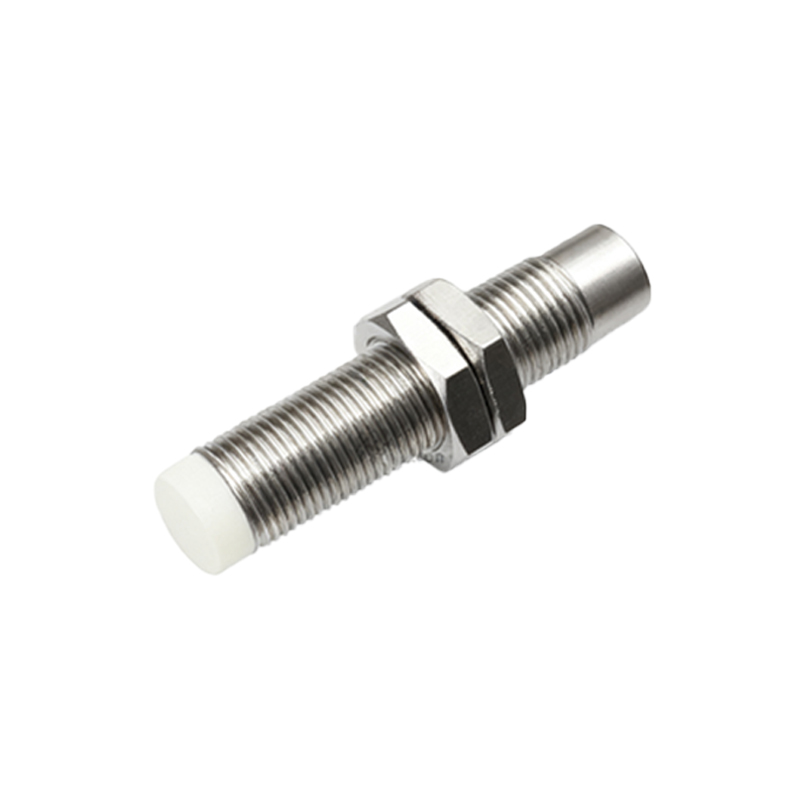
Siemens: Precision and Innovation
Siemens stands as a global leader in industrial automation, offering a comprehensive range of proximity sensors known for their high precision and innovative technology. The Siemens portfolio includes inductive, capacitive, and ultrasonic sensors designed to withstand harsh environments. These sensors feature robust construction, ensuring long-term performance in demanding conditions such as manufacturing plants and logistics centers. With advanced diagnostics and easy integration into Siemens automation systems, they provide seamless operation and reduced downtime.
Omron: Reliability and Versatility
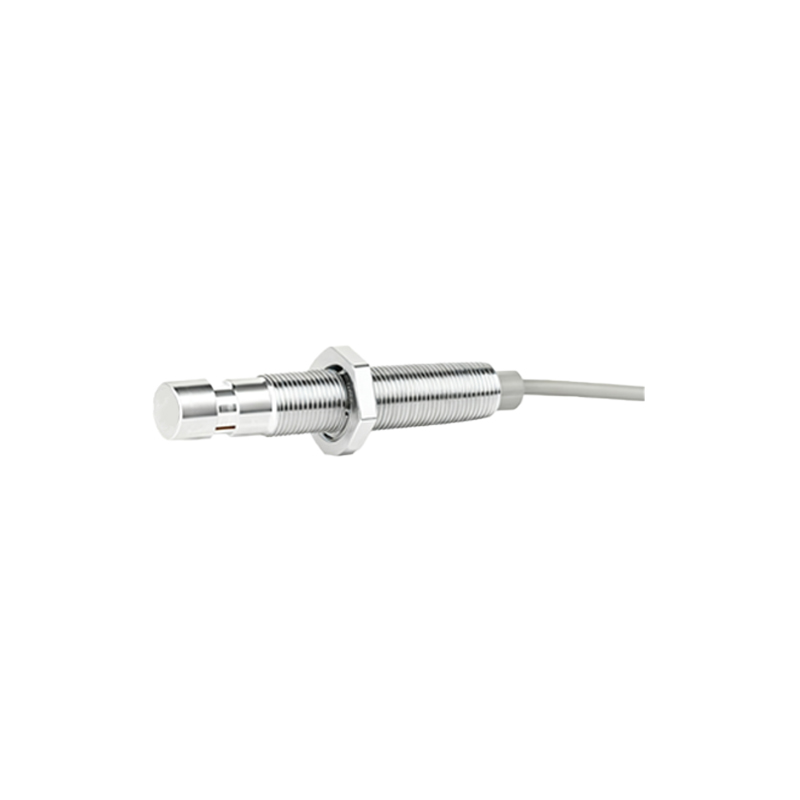
Omron is renowned for its reliable and versatile proximity sensors, widely used in automotive, packaging, and electronics industries. The brand emphasizes durability, with sensors capable of operating in extreme temperatures and resistant to vibration or shock. Omron's inductive sensors, for example, offer high-speed detection and stable performance, making them ideal for precision tasks. Additionally, their compact designs allow for flexible installation in space-constrained applications, enhancing overall system efficiency.
Rockwell Automation: Integrated Solutions
Rockwell Automation provides integrated proximity sensor solutions that excel in connectivity and scalability. Their Allen-Bradley series includes a variety of sensors tailored for heavy-duty industrial use, featuring enhanced sensing ranges and noise immunity. These sensors are designed to work seamlessly with Rockwell's control systems, facilitating real-time monitoring and data exchange. This integration supports predictive maintenance and optimizes production processes, reducing operational costs and improving safety standards.
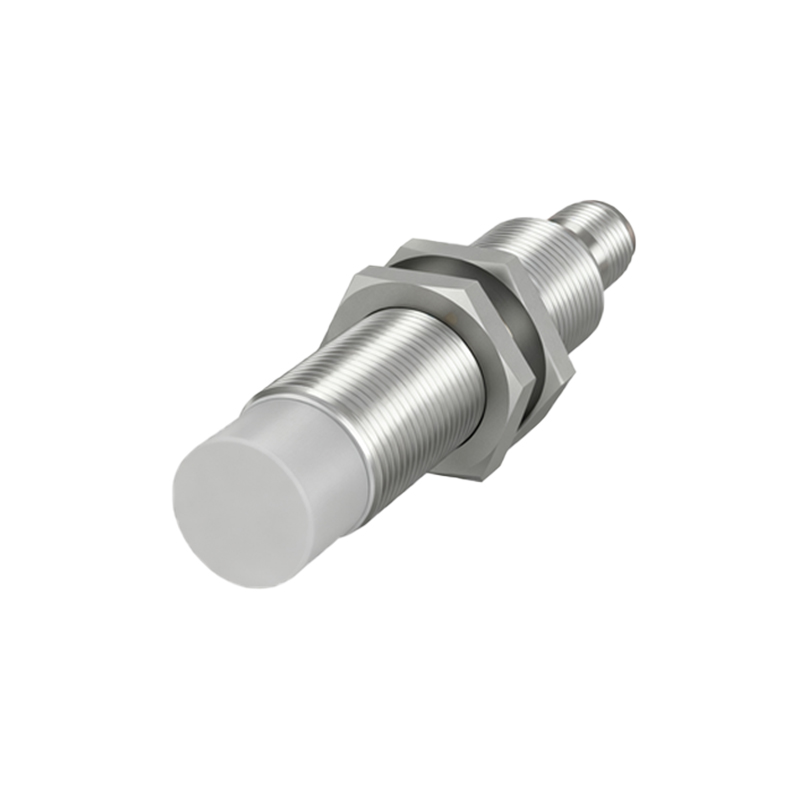
Pepperl+Fuchs: Specialized Expertise
Pepperl+Fuchs specializes in sensor technology for hazardous and challenging environments, such as chemical plants or mining operations. Their proximity sensors are built with explosion-proof certifications and high ingress protection ratings, ensuring safe operation in volatile conditions. The brand offers both inductive and capacitive sensors with advanced features like temperature compensation and self-monitoring capabilities. This focus on specialization makes Pepperl+Fuchs a top choice for industries requiring stringent safety and reliability measures.
Balluff: High-Performance and Customization
Balluff is recognized for its high-performance proximity sensors that support customization to meet specific application needs. The brand's product line includes miniature sensors for tight spaces, as well as long-range models for extended detection. Balluff sensors incorporate smart technologies, such as IO-Link communication, enabling easy configuration and data transmission. This flexibility allows industries like automotive and food processing to adapt sensors for unique tasks, enhancing productivity and reducing waste.
Key Factors in Brand Selection
When choosing a proximity sensor brand, consider factors such as environmental conditions, detection range, output type, and compatibility with existing systems. Brands like Siemens and Rockwell Automation offer strong integration with automation platforms, while Omron and Balluff focus on versatility and customization. For hazardous areas, Pepperl+Fuchs provides specialized solutions. Evaluating these aspects helps ensure optimal sensor performance and long-term value in industrial settings.
Future Trends in Proximity Sensor Technology
The proximity sensor market is evolving with trends toward miniaturization, wireless connectivity, and enhanced smart features. Brands are investing in IoT-enabled sensors that provide real-time analytics and remote monitoring capabilities. Advances in materials and design are also improving sensor durability and energy efficiency. As industries embrace Industry 4.0, proximity sensors will play a pivotal role in enabling automated, data-driven operations, driving innovation across sectors like manufacturing and logistics.