Introduction to Proximity Sensors
Proximity sensors are fundamental components in modern industrial automation and electronic systems. They are non-contact devices designed to detect the presence or absence of an object within a specific sensing range without any physical contact. This capability makes them invaluable in applications where reliability, speed, and durability are paramount. Unlike mechanical limit switches, proximity sensors offer a long operational life and high repeatability because they have no moving parts that can wear out. Their core function is to convert information about the presence of an object into an electrical signal, typically used for control, counting, positioning, or monitoring tasks in machinery and processes.
Key Operating Principles
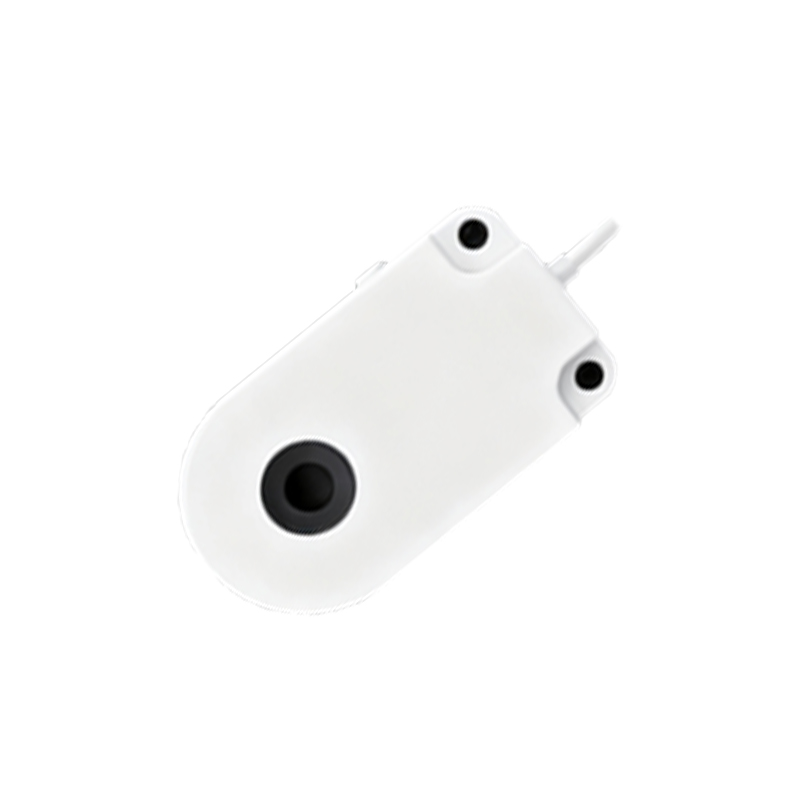
The characteristics of a proximity sensor are deeply rooted in its underlying technology. The most common types are inductive, capacitive, and photoelectric. Inductive proximity sensors generate an electromagnetic field and detect the eddy current losses caused by metallic objects entering this field. Their key characteristic is that they only sense metallic targets. Capacitive proximity sensors, on the other hand, can detect both metallic and non-metallic materials like plastic, wood, or liquids by measuring changes in capacitance. Photoelectric sensors use a light beam, often infrared or laser, and detect objects by the interruption or reflection of this beam. Each principle defines a sensor's fundamental detection capability and target material compatibility.
Non-Contact Detection and Reliability
A defining characteristic of proximity sensors is their non-contact nature. This means the sensor and the target object do not physically touch during operation. This characteristic eliminates mechanical wear and tear on both the sensor and the object, leading to exceptional reliability and a dramatically extended service life. It also allows for very high-speed detection and counting, as there is no mechanical delay from physical contact. This non-contact operation is crucial in harsh environments where contamination, vibration, or the fragility of the target object would make physical switches impractical or damaging.
Environmental Robustness and Housing
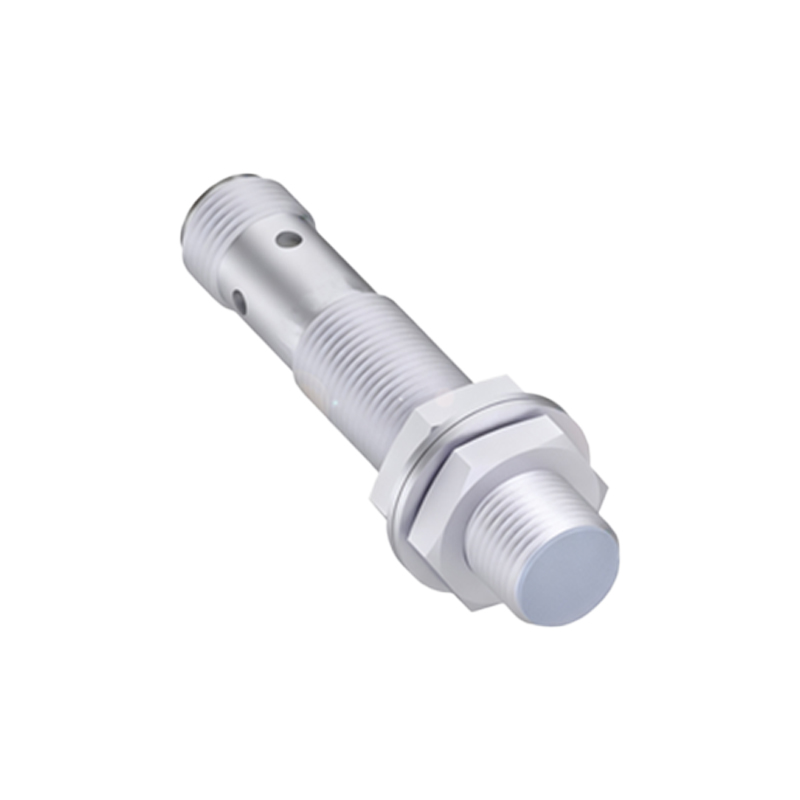
Industrial proximity sensors are built to withstand challenging conditions. A key characteristic is their environmental robustness. They are typically housed in rugged metal (like nickel-plated brass or stainless steel) or high-grade plastic enclosures that offer high resistance to shock, vibration, moisture, and chemicals. Many sensors feature ingress protection (IP) ratings such as IP67 or IP68, indicating they are dust-tight and can withstand temporary or prolonged immersion in water. This durability allows them to perform reliably in demanding settings such as machine tools, automotive assembly lines, and food processing plants.
Output Types and Electrical Characteristics
The output signal is a critical characteristic that determines how the sensor integrates with control systems. Most proximity sensors provide a digital ON/OFF signal. Common output configurations include NPN (sinking) and PNP (sourcing) transistor outputs for DC sensors, and two-wire AC/DC or three-wire AC models. Analog output versions also exist, providing a voltage or current signal proportional to the distance to the target, which is useful for precise positioning applications. Understanding the voltage range, load current, and output type (normally open or normally closed) is essential for proper circuit design and compatibility with Programmable Logic Controllers (PLCs) and other control devices.
Sensing Range and Repeatability
The rated sensing distance, or nominal range, is a primary specification. This characteristic indicates the standard distance at which a standard target can be reliably detected. It is important to note that the effective sensing distance can be influenced by factors like target material, size, and temperature. A closely related and vital characteristic is repeat accuracy. This refers to the sensor's ability to consistently detect an object at the same point within the sensing field. High-quality sensors offer excellent repeatability, often within micrometers, which is essential for precision automation and quality control processes.
Response Frequency and Speed
The response frequency, measured in Hertz (Hz), defines how quickly a proximity sensor can react to targets entering and leaving its sensing field. This characteristic is critical for high-speed applications like part counting on a fast conveyor or detecting teeth on a rotating gear. A sensor with a 1 kHz response frequency can theoretically detect up to 1000 objects per second. The switching frequency must be matched to the application's speed requirements to ensure no missed detections. This speed is a direct result of the solid-state, non-contact design, far exceeding the capabilities of mechanical switches.
Application-Specific Characteristics
Finally, the characteristics of proximity sensors are often tailored for specific applications. For example, factor-one cylindrical sensors are the most common general-purpose type. Flat-pack or rectangular sensors are used where space is constrained. Sensors with extended temperature ranges are available for foundries or cold storage. Specialized models offer characteristics like weld-field immunity for