Introduction to Proximity Sensors
Proximity sensors are fundamental components in modern industrial automation and control systems. These non-contact devices detect the presence or absence of an object within a specified sensing range without any physical contact. Operating on various principles such as electromagnetic, capacitive, ultrasonic, and optical, they provide reliable and rapid feedback essential for process control, safety, and sequencing. Their ability to function in harsh environments—resisting dust, moisture, and vibration—makes them indispensable in sectors ranging from automotive manufacturing and packaging to material handling and robotics. Understanding their specific placement and integration is crucial for optimizing system performance and ensuring operational safety.
Primary Mounting Locations and Integration Points
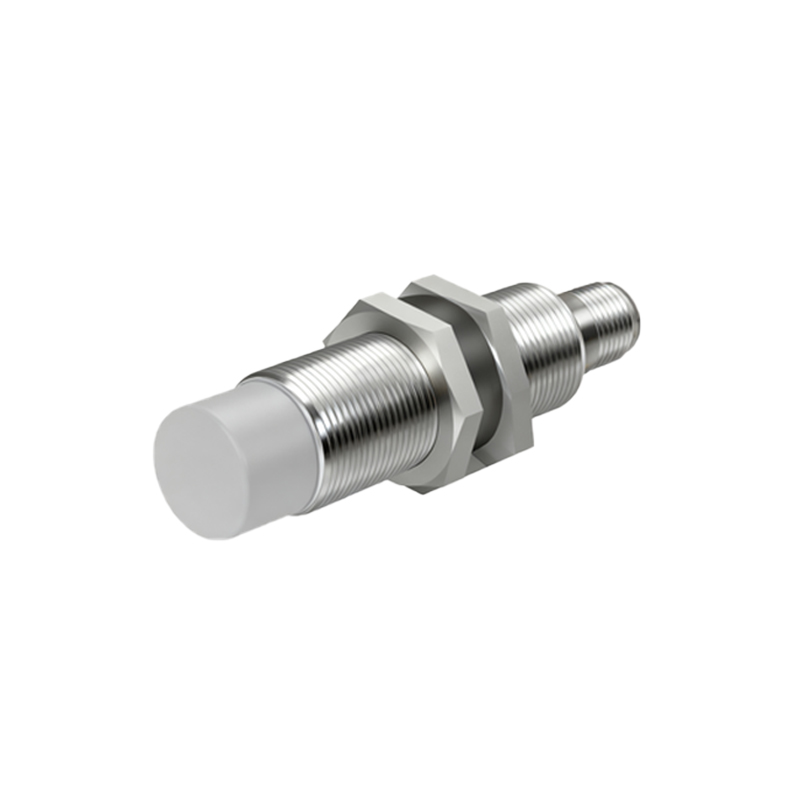
The "location" of a proximity sensor refers to its precise mounting point within a machine or system, which is dictated by its functional role. Common installation sites include machine tool beds, robotic arm end-effectors, conveyor line edges, assembly station fixtures, and safety gate frames. For instance, in a stamping press, inductive proximity sensors are often mounted on the die set or the press frame to detect the exact position of the metal sheet or the upper die, ensuring precise operation and preventing collisions. On automated guided vehicles (AGVs), sensors are typically located on the vehicle's bumper or underside to detect obstacles and navigate pathways. The strategic placement is always a balance between optimal sensing range, protection from mechanical damage, and ease of maintenance.
Core Functional Components and Sensing Elements
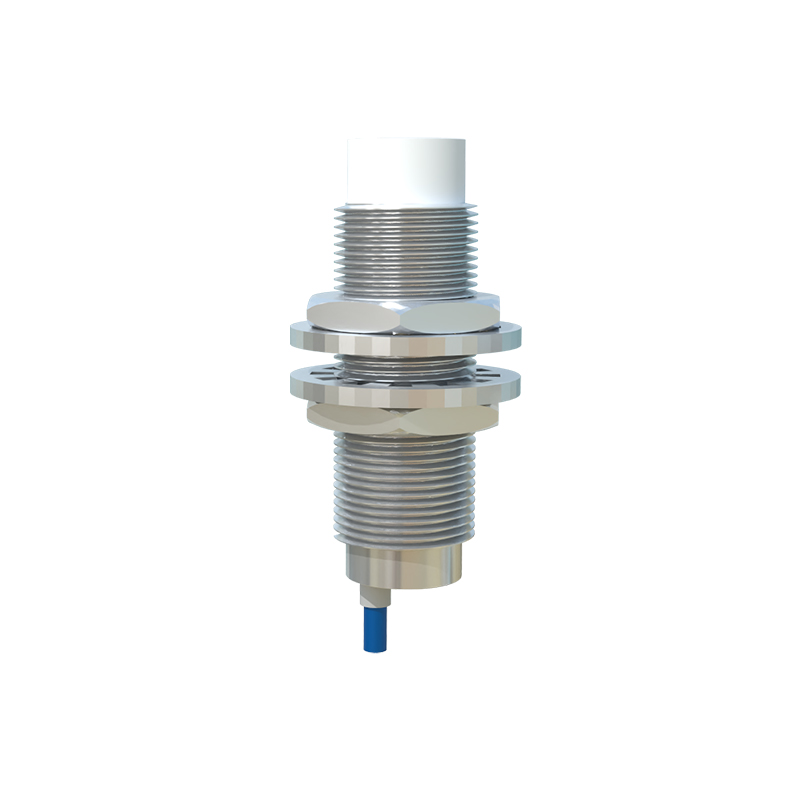
Delving deeper, the critical "part" of the sensor itself is its active sensing face or element. In an inductive proximity sensor, the key component is the oscillator coil and ferrite core located behind the sensor's front face, which generates an electromagnetic field. For capacitive sensors, it is the conductive sensing electrode. In photoelectric sensors, it is the lens assembly housing the LED or laser diode and the phototransistor. This active face is the point from which the detection field emanates. The housing, usually made of nickel-plated brass, stainless steel, or PBT plastic, protects this core. The other vital internal part is the signal conditioning circuitry, which converts the physical detection event into a clean, amplified switch signal (PNP/NPN) or analog output readable by a Programmable Logic Controller (PLC).
Role in Machine Safety Systems
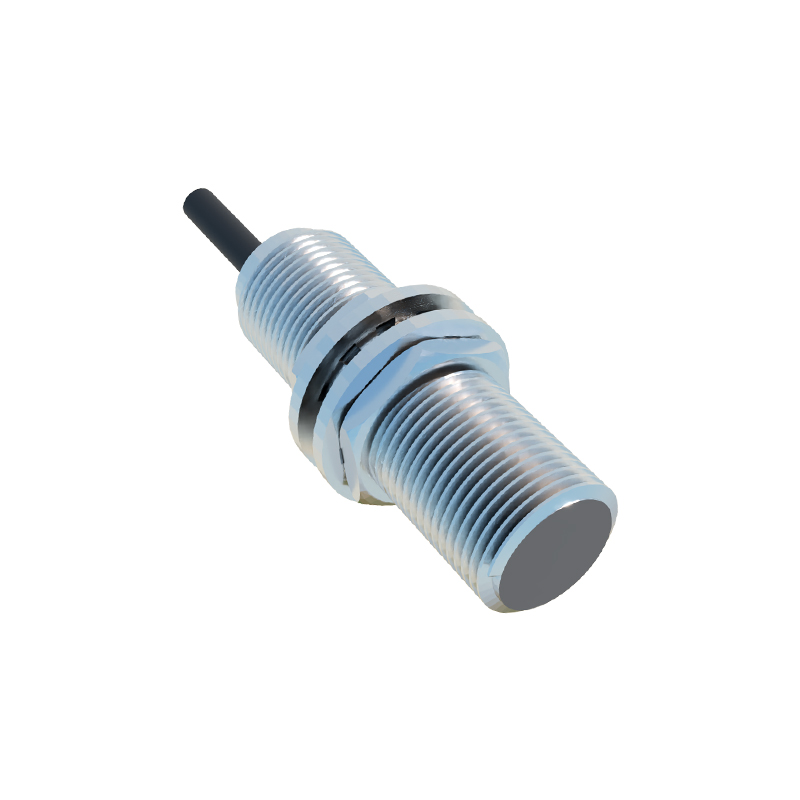
A critical application area defining sensor location is in safety systems. Here, proximity sensors are integral parts of safety interlocks and presence-sensing devices. They are mounted on guard doors, light curtains, and perimeter fencing. For example, a magnetic (reed) proximity sensor is often embedded in a safety door frame, with its actuating magnet mounted on the door itself. When the door opens, the sensor detects the magnet's absence and sends a stop signal to the machine's safety relay, halting hazardous motion. Their placement in these contexts is non-negotiable and must comply with stringent international safety standards like ISO 13849 and IEC 62061, ensuring fail-safe operation.
Integration with Control System Architecture
Beyond the physical mount, a proximity sensor is a key component in the broader control system's input layer. It acts as the "eyes" of the PLC or industrial PC. The sensor's output wires (typically a 3-wire DC configuration) connect directly to a discrete input module on the controller. Therefore, its logical "location" is as a node in the control network. In advanced Industry 4.0 setups, IO-Link enabled proximity sensors offer a digital point-to-point connection, transmitting not just a switch signal but also detailed parameter and diagnostic data (like operating temperature, signal strength, or wear indicators) to the master controller, enabling predictive maintenance.
Selection Criteria: Environment and Target Material
The choice of sensor type and its consequent installation point heavily depends on the target object and the operating environment. For detecting metals, inductive sensors are preferred and are mounted close to the expected metal path. For non-metallic objects like glass, wood, or liquids, capacitive sensors are used, often mounted behind a non-metallic chute or container wall. In dusty or dirty environments, ultrasonic sensors with their robust sensing faces are chosen and may be mounted farther away from the target area. The sensing face must be kept clean and free from obstructions like built-up debris or metal chips, which can affect performance, dictating placement that allows for easy cleaning or using models with built-in wear indicators.
Maintenance and Diagnostic Considerations
The longevity and reliability of a proximity sensor depend on its designated part—the sensing face—and its environment. Regular inspection of the mounting bracket for loosening due to vibration is essential. The sensing face should be checked for physical damage or contamination. Modern