Introduction to Glass Proximity Sensors
Glass proximity sensors are critical components in modern electronic devices, particularly in smartphones, tablets, and automotive displays. These sensors detect the presence of nearby objects without physical contact, enabling features like screen dimming during calls or touchless controls. The structure of a glass proximity sensor is meticulously engineered to ensure high sensitivity, durability, and seamless integration into compact designs. Typically, it consists of an infrared (IR) emitter, a photodetector, and a glass cover that protects the internal elements while allowing IR signals to pass through. The glass used is often chemically strengthened to resist scratches and impacts, maintaining optical clarity for accurate detection. Understanding the structural nuances is essential for engineers to optimize performance and troubleshoot issues in manufacturing or field applications.
Key Structural Components
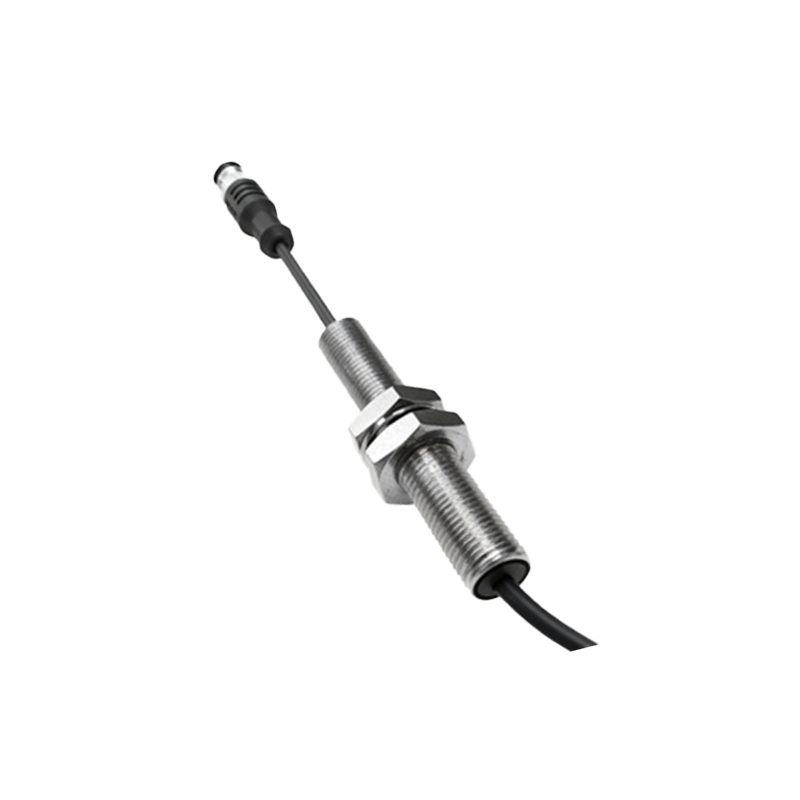
The core structure of a glass proximity sensor includes several integrated parts. The IR emitter, usually an LED, transmits infrared light toward the target object. The photodetector, such as a phototransistor or photodiode, captures the reflected light to measure proximity. These components are mounted on a printed circuit board (PCB) with precise alignment to minimize signal interference. The glass cover, often made from aluminosilicate or similar materials, acts as a protective barrier and optical window. It is coated with anti-reflective layers to enhance IR transmission and reduce false triggers from ambient light. Additionally, adhesive layers or gaskets seal the assembly, preventing dust and moisture ingress that could degrade sensor accuracy. Engineers must consider thermal expansion coefficients and mechanical stress to ensure long-term reliability in varying environmental conditions.
Detection Mechanisms and Principles
Detection in glass proximity sensors relies on the reflection of IR light. When an object approaches the sensor, the IR emitter sends out a beam that bounces off the surface and returns to the photodetector. The intensity of the reflected light correlates with the object's distance, allowing the sensor to trigger responses at predefined thresholds. The glass structure plays a vital role in this process by minimizing signal attenuation and distortion. Advanced sensors incorporate digital signal processing (DSP) algorithms to filter noise and compensate for environmental factors like temperature changes or ambient light fluctuations. Structural integrity is crucial here; any cracks, delamination, or coating defects in the glass can lead to inaccurate readings or sensor failure, necessitating rigorous quality control during production.
Common Structural Defects and Detection Methods
Identifying defects in glass proximity sensor structures is a key aspect of quality assurance. Common issues include micro-cracks in the glass, misalignment of IR components, adhesive failures, and coating irregularities. These defects can arise from manufacturing errors, handling damage, or thermal stress during operation. Detection methods often involve automated optical inspection (AOI) systems that use high-resolution cameras and image processing to scan for surface anomalies. Infrared thermography can reveal hidden delamination or air gaps by analyzing heat distribution. Electrical testing, such as measuring the sensor's output signal under controlled conditions, helps assess functional performance. Engineers also employ environmental stress screening, exposing sensors to humidity, temperature cycles, and vibration to simulate real-world usage and identify potential structural weaknesses before deployment.
Optimization Strategies for Enhanced Performance
To improve glass proximity sensor structures, engineers focus on material selection, design geometry, and integration techniques. Using ultra-thin glass with high IR transmittance can enhance sensitivity while reducing overall device thickness. Optimizing the emitter-detector angle and distance minimizes crosstalk and improves detection range. Incorporating multi-layer coatings on the glass, such as hydrophobic and oleophobic layers, adds durability against fingerprints and liquids. Simulation tools like finite element analysis (FEA) aid in predicting mechanical stress and optical performance during the design phase. Additionally, modular assembly approaches allow for easier replacement and repair in field applications. Regular calibration and firmware updates can further refine detection accuracy, ensuring the sensor adapts to evolving usage patterns and environmental challenges.
Industry Applications and Future Trends
Glass proximity sensors are widely used in consumer electronics, automotive infotainment systems, industrial automation, and medical devices. In smartphones, they enable energy-saving features by turning off displays when held to the ear. Automotive applications include gesture-based controls for in-car displays, enhancing driver safety. Future trends point toward miniaturization and multifunctional integration, such as combining proximity sensing with ambient light detection or 3D imaging in a single glass module. Advances in flexible glass and transparent conductive materials may lead to foldable or curved sensor designs. Engineers are also exploring AI-driven calibration for adaptive performance, making sensors more resilient to structural wear over time. As IoT and smart devices proliferate, robust glass proximity sensor structures will remain pivotal for intuitive user interfaces and reliable operation.