Understanding Proximity Sensor Model Numbering Systems
The first step in identifying a genuine proximity sensor model is to decipher its part number. Leading manufacturers like Siemens, Omron, Pepperl+Fuchs, and Schneider Electric follow specific, structured alphanumeric coding systems. A typical model number is not random; it encodes critical information. For instance, it often includes a series prefix indicating the product family (e.g., "E2E" for Omron's cylindrical inductive sensors), followed by characters denoting sensing distance, housing material, output type (PNP/NPN, NO/NC), connection method (cable or connector), and supply voltage. A genuine part number will be precisely stamped or laser-etched on the housing with clear, consistent font. Counterfeit units often have poorly printed, smudged, or even incorrect model strings that do not align with the official manufacturer's numbering logic. Always cross-reference the complete part number with the official datasheet or catalog from the manufacturer's website.
Examining Physical Build Quality and Markings
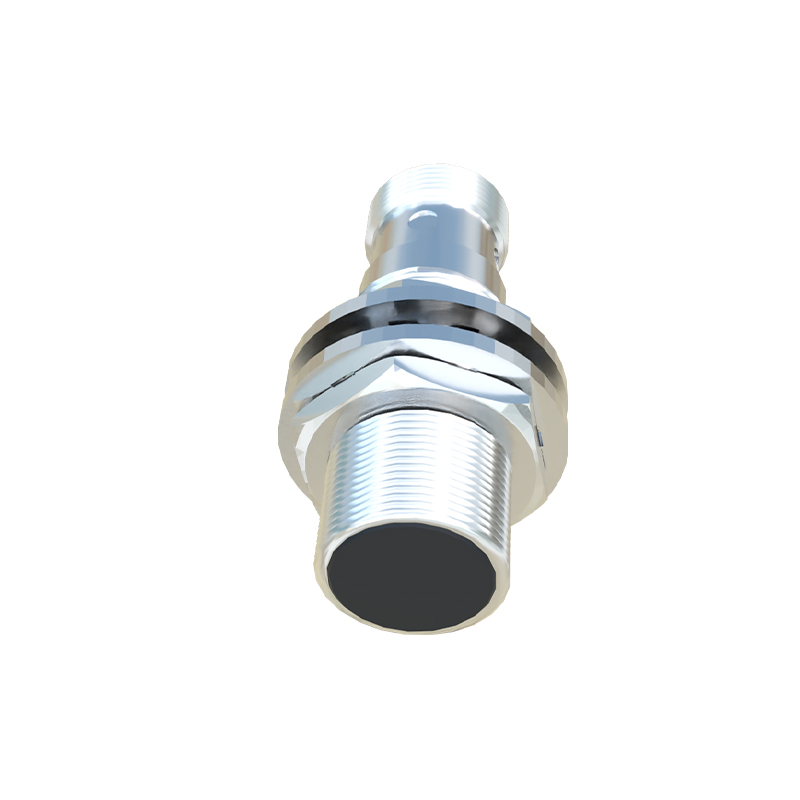
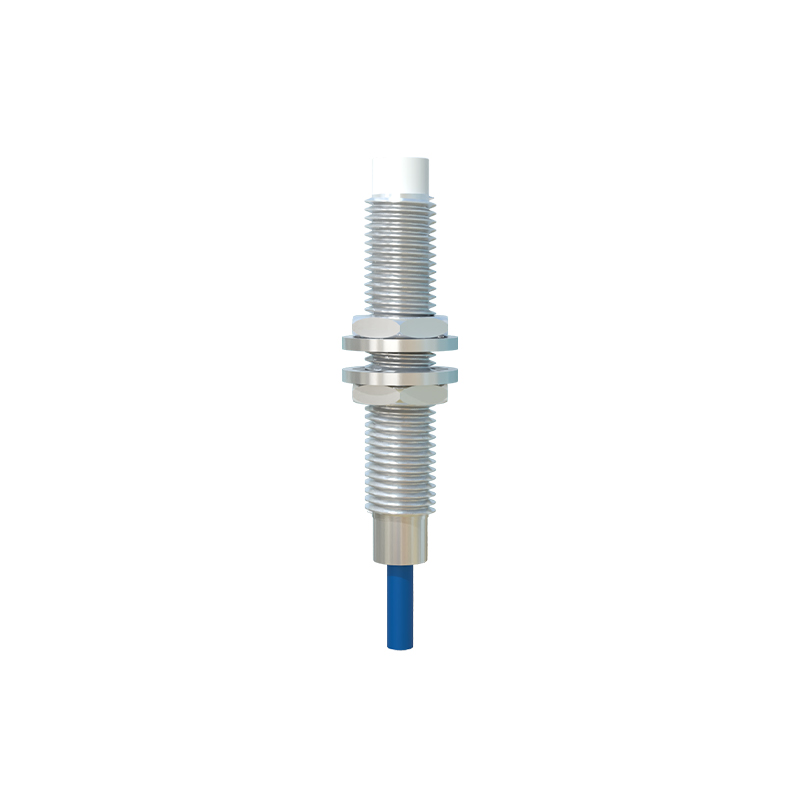
Physical inspection is a powerful tool. Authentic proximity sensors exhibit high-grade manufacturing. Check the housing material; genuine sensors use robust plastics (like PBT or PVDF) or stainless steel with a uniform finish, free of mold marks or flash. The branding logo and text should be sharp and permanent. Inspect the sensing face; it should be smooth and properly aligned. For cylindrical sensors, the thread machining should be precise and clean. Pay close attention to certification marks (e.g., UL, CE, ATEX, IECEx). On genuine products, these marks are deeply integrated into the label or housing. Counterfeits may have blurred, shallow, or missing certification logos. The cable or connector is another telltale sign; original equipment uses high-quality, oil-resistant cables with proper strain relief and clearly marked wire colors according to the standard (Brown+/Blue-/Black output).
Analyzing Electrical Performance and Response
While physical checks are vital, performance testing confirms authenticity. Using a basic multimeter and a power supply, you can verify key parameters. Connect the sensor to its specified voltage and measure the output state (on/off) when a target is presented and removed. A genuine sensor will have a crisp, repeatable switching characteristic with minimal hysteresis. Measure the leakage current in the "off" state; it should be extremely low (typically<1.8mA for DC sensors) as per the datasheet. Counterfeit sensors often have higher leakage currents, unstable switching points, or slower response times, which can lead to premature PLC input failure or missed counts. The rated sensing distance (Sn) is a critical spec. Test the actual sensing distance with a standard target; a genuine sensor will achieve very close to its nominal Sn, while a fake one often has a significantly reduced range.
Verifying Packaging and Documentation
Never overlook the packaging. Original proximity sensors come in manufacturer-specific packaging, which may include branded boxes, anti-static bags, or clear clamshells. The packaging should feature the correct part number, barcode, and often a QR code or unique serial number that can be traced. Documentation, such as a datasheet leaflet or a certificate of conformity, might be included. The absence of professional packaging, or the presence of generic white boxes with handwritten labels, is a major red flag. Additionally, the country of origin should match the manufacturer's claims. Most reputable brands clearly state "Made in [Country]" or have specific codes for their manufacturing plants.
Utilizing Manufacturer Resources and Authentication Tools
Proactively use the tools provided by manufacturers. Most major brands have online product verification portals. You can enter the full model number and serial number to check its validity and see detailed specifications. Some companies employ holographic labels, QR codes, or micro-text on their products for authentication. Scan these with your smartphone if applicable. Furthermore, always purchase through authorized distributors listed on the manufacturer's official website. Their supply chain is audited and guaranteed. If a price seems too good to be true from an unknown source, it often indicates a non-genuine product. For critical applications, consider directly contacting the manufacturer's technical support with the part number and any suspicions for confirmation.
The Risks of Using Non-Genuine Sensor Models
Installing a counterfeit or misrepresented proximity sensor carries significant risks. The most immediate is operational failure, causing unplanned downtime and production losses. Non-genuine sensors may not meet stated environmental ratings for temperature, humidity, or chemical resistance, leading to early failure in harsh conditions. They often lack proper electromagnetic compatibility (EMC) filtering, making them susceptible to interference and causing erratic machine behavior. In safety-related applications