Introduction to Proximity Sensors
Proximity sensors are essential components in modern industrial automation, designed to detect the presence or absence of objects without physical contact. These devices operate by emitting an electromagnetic field or beam and monitoring changes in the field when an object enters its sensing range. The primary advantage of proximity sensors lies in their non-contact detection capability, which minimizes wear and tear, enhances reliability, and allows for high-speed operation in harsh environments. Commonly used in manufacturing, robotics, and automotive industries, proximity sensors contribute to improved efficiency, safety, and precision in various applications. Their ability to function in dusty, wet, or high-temperature conditions makes them indispensable for industrial processes where traditional mechanical switches would fail.
Classification of Proximity Sensors
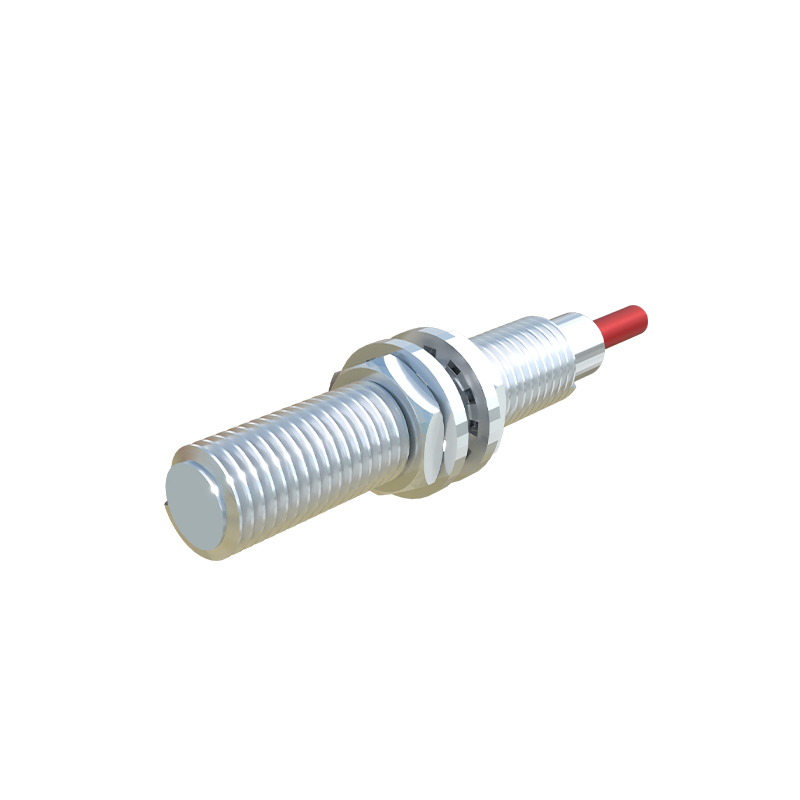
Proximity sensors are categorized based on their detection principles, each suited for specific materials and operational needs. Inductive proximity sensors detect metallic objects by generating an electromagnetic field; when a metal target enters the field, it induces eddy currents, triggering the sensor. These sensors are ideal for detecting ferrous and non-ferrous metals but are ineffective for non-metallic materials. Capacitive proximity sensors, on the other hand, can detect both metallic and non-metallic objects, including liquids and plastics, by measuring changes in capacitance caused by the target's dielectric properties. Ultrasonic proximity sensors use sound waves to detect objects, making them suitable for distance measurement and transparent material detection. Photoelectric proximity sensors employ light beams, such as infrared or laser, to sense objects, offering long-range detection and high accuracy. Magnetic proximity sensors rely on magnetic fields to detect permanent magnets, often used in safety applications like door positioning.
Key Functions of Proximity Switches
Proximity switches, a subset of proximity sensors, serve critical functions in industrial control systems by providing discrete output signals for automation. Their primary role is to act as non-contact switches, enabling or disabling circuits based on object detection, which reduces mechanical failure and maintenance costs. In conveyor systems, proximity switches monitor product flow, ensuring items are correctly positioned for packaging or assembly. They also facilitate precise positioning in robotics, where sensors detect arm movements or part placements, enhancing repeatability and accuracy. Safety is another vital function; proximity switches are integrated into machinery guards to halt operations if a person or object enters a hazardous zone, preventing accidents. Additionally, these switches contribute to energy efficiency by activating equipment only when needed, such as turning on lights or motors upon detecting motion in automated facilities.
Applications in Industrial Settings
In industrial environments, proximity sensors and switches are deployed across diverse sectors to optimize processes. In automotive manufacturing, inductive sensors detect metal components on assembly lines, ensuring proper installation of parts like engine blocks or brake systems. Capacitive sensors are used in food processing to monitor liquid levels in tanks or detect plastic packaging without contamination. Ultrasonic sensors assist in warehouse automation by measuring inventory heights on shelves, while photoelectric sensors control material handling in logistics by detecting packages on conveyors. The mining industry relies on rugged proximity switches for equipment monitoring in extreme conditions, such as detecting ore presence on conveyor belts. These applications highlight how proximity sensors enhance productivity, reduce downtime, and support Industry 4.0 initiatives through real-time data collection and integration with PLCs (Programmable Logic Controllers).
Selection and Installation Considerations
Choosing the right proximity sensor involves evaluating factors like target material, sensing range, environmental conditions, and output requirements. For metallic targets in dirty settings, inductive sensors with IP67 or higher ratings are preferred due to their resistance to dust and moisture. Capacitive sensors should be selected for non-metallic applications, but care must be taken to avoid interference from humidity or temperature fluctuations. Installation practices are crucial for optimal performance; sensors should be mounted securely to minimize vibration effects, and adequate spacing between multiple sensors prevents cross-talk. Electrical compatibility with control systems, such as NPN or PNP outputs, must be verified to ensure seamless integration. Regular calibration and maintenance, including cleaning sensing surfaces and checking wiring, help sustain accuracy and longevity, especially in high-cycle operations.
Future Trends and Innovations
The evolution of proximity sensors is driven by advancements in IoT (Internet of Things) and smart manufacturing. Modern sensors are increasingly equipped with digital interfaces and wireless connectivity, allowing for remote monitoring and predictive maintenance through data analytics. Miniaturization trends enable compact sensors for space-constrained applications, such as medical devices or consumer electronics. Enhanced materials and designs are improving detection ranges and sensitivity, with some sensors now capable of distinguishing between object types using AI algorithms. Energy-efficient models are emerging to support sustainable operations, reducing power consumption in battery-powered systems. As industries adopt more automated solutions, proximity sensors will continue to play a pivotal role