Introduction to Magnetic Proximity Sensing Technology
Magnetic proximity sensors, such as the MK5222, represent a cornerstone of modern industrial automation. These devices operate on the principle of detecting the presence or absence of a magnetic field, typically generated by a permanent magnet. Unlike traditional mechanical limit switches, they function without physical contact, offering superior reliability, longevity, and resistance to harsh environmental conditions. The core mechanism involves a reed switch or a solid-state Hall-effect element that changes state when exposed to a specific magnetic flux density. This non-contact operation eliminates issues like wear and tear, contact bounce, and arcing, making them ideal for high-cycle applications. The MK5222 model embodies these advantages, engineered for precision and durability in demanding settings.
Technical Specifications of the MK5222 Sensor
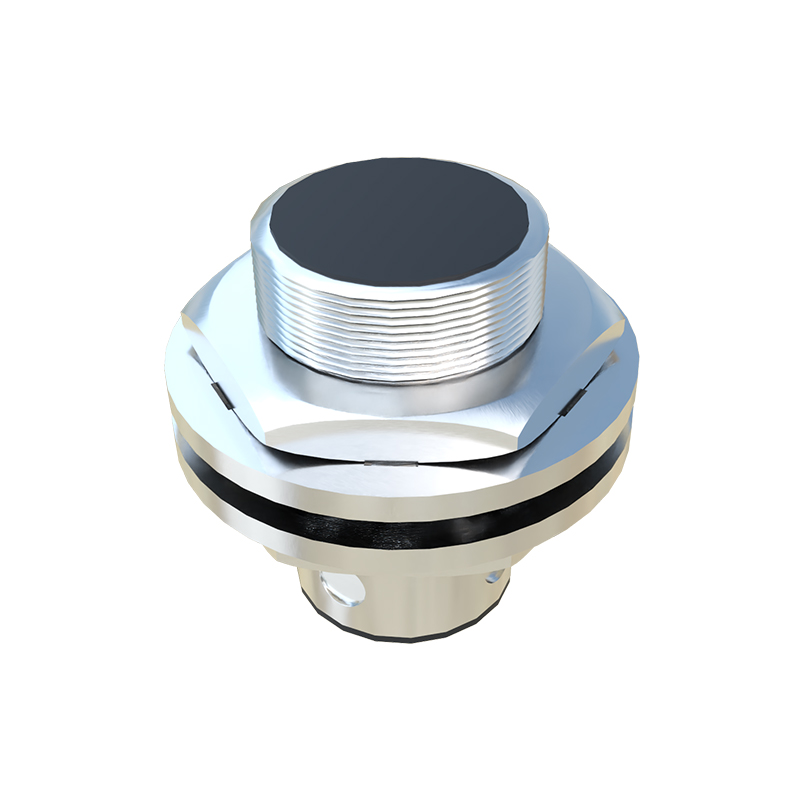
The MK5222 is a compact, tubular inductive proximity sensor with a magnetic actuation variant. Key specifications define its operational envelope. It typically features a standard sensing range, often up to 15mm, depending on the magnet used. The housing is commonly constructed from nickel-plated brass or stainless steel, providing excellent resistance to oils, coolants, and mild chemicals. Electrical ratings usually include a wide operating voltage range, such as 10-30V DC, making it compatible with standard PLC and control system inputs. The output is typically a solid-state PNP or NPN configuration, ensuring fast switching speeds and compatibility with various logic families. Its protection class, often IP67, guarantees reliable performance in dusty or wet environments, a critical requirement for factory floors.
Key Features and Design Advantages
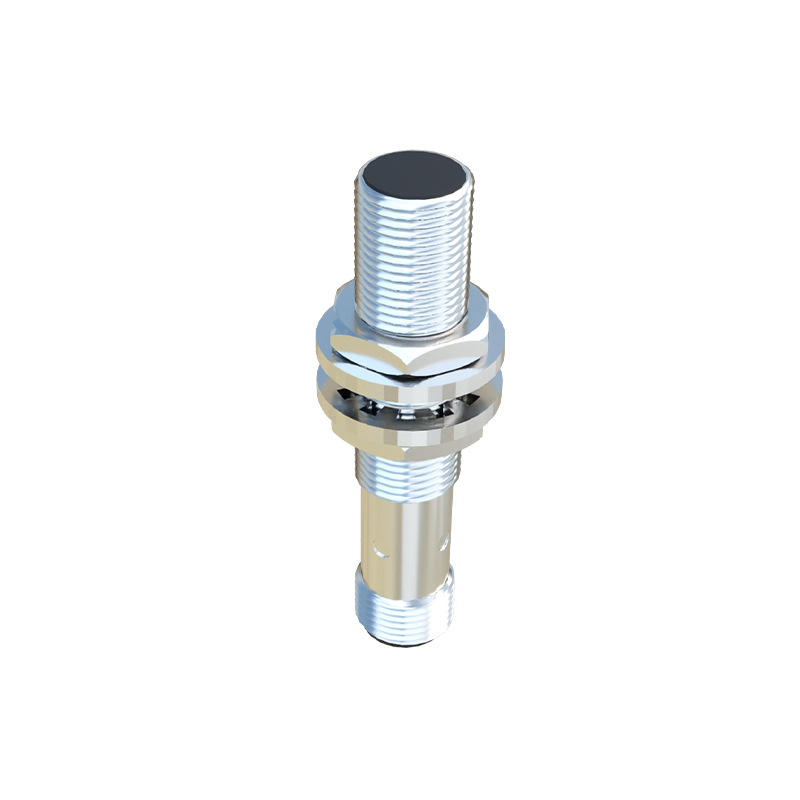
Several design features distinguish the MK5222 in the marketplace. Its short-circuit and reverse polarity protection are integral, safeguarding the sensor and the connected circuitry from installation errors or electrical faults. The inclusion of a status LED is a practical feature for visual indication of power and output state, greatly simplifying commissioning and troubleshooting. Furthermore, its flush-mounting capability allows for installation without a lateral clearance, enabling versatile mounting in space-constrained applications. The robust design ensures high electromagnetic compatibility (EMC), minimizing false triggers from nearby motors or frequency drives. These attributes collectively contribute to reduced downtime and lower total cost of ownership.
Typical Industrial Application Scenarios
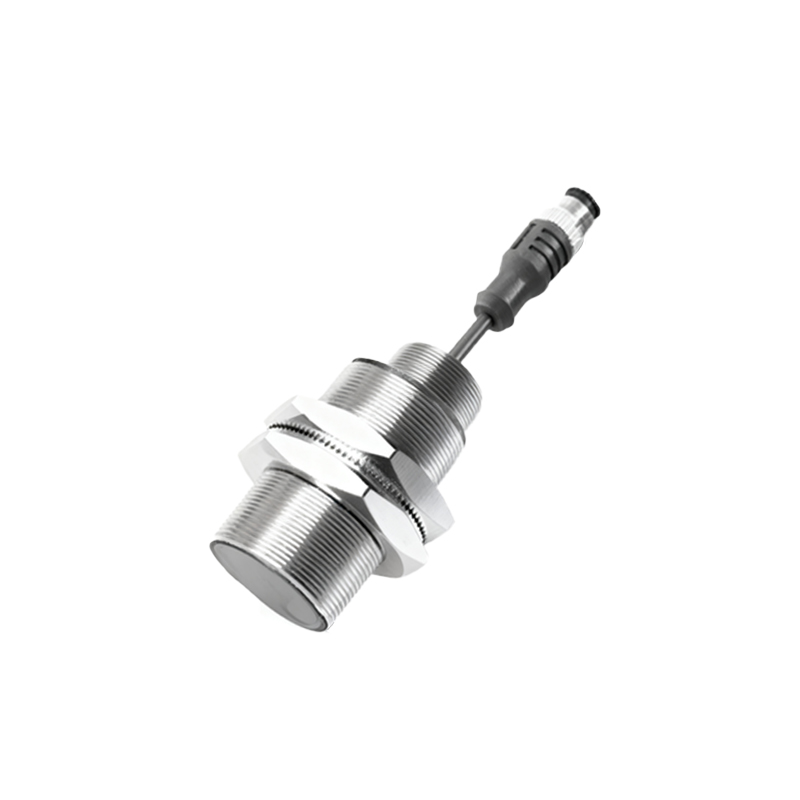
The application scope for the MK5222 magnetic proximity sensor is vast across industrial sectors. In material handling, it is extensively used for position detection on linear actuators, cylinder piston positioning, and end-of-travel limit sensing on conveyors. Within the automotive manufacturing industry, it monitors the open/closed status of doors, hoods, and safety guards on robotic cells. Packaging machinery utilizes these sensors for precise counting of products, detecting the presence of metallic components, and controlling fill levels. Its reliability in dirty or lubricated environments makes it perfect for hydraulic and pneumatic system monitoring. Essentially, anywhere a reliable, non-contact detection of a moving part (equipped with a trigger magnet) is required, the MK5222 provides a robust solution.
Installation Guidelines and Best Practices
Correct installation is paramount for optimal sensor performance. The sensing face must be aligned parallel to the surface of the target magnet, with the distance maintained within the specified nominal sensing range. It is crucial to use the recommended actuator magnet, as the strength and orientation of the magnetic field directly affect the switching point. Mounting should be secure to prevent vibration-induced misalignment. Electrical wiring must follow the manufacturer's datasheet, paying close attention to the load current and ensuring proper grounding. For installations in metallic environments, testing is advised to rule out interference from surrounding ferrous materials that might shield or distort the magnetic field, potentially reducing the effective sensing distance.
Troubleshooting Common Operational Issues
Even with robust design, occasional issues may arise. Failure to detect the target often stems from an excessive air gap, a weakened magnet, or misalignment. Verifying the gap and magnet strength is the first step. If the output is constantly active or inactive, checking the wiring for shorts, opens, or incorrect voltage supply is necessary. Environmental factors like extreme temperatures beyond the sensor's rating or accumulation of metallic chips on the sensing face can also impair function. The integrated LED greatly aids in this process; a lit power LED with no output change when a magnet is presented typically indicates a problem with the sensing element or magnetic actuator.
Comparison with Other Sensor Types
When selecting a sensor, understanding alternatives is key. Compared to standard inductive proximity sensors, the magnetic MK5222 can detect non-ferrous metals and is actuated specifically by a magnetic field, offering selective sensing. Versus optical sensors, it is immune to contaminants like dust, fog, or grease that would obstruct a light beam