Introduction to Proximity Sensing Technology
Proximity sensors are pivotal components in the automation and control systems of modern industry. These non-contact devices detect the presence or absence of an object within a specified range without any physical contact. Operating on various principles such as electromagnetic, capacitive, ultrasonic, or optical, they provide reliable and precise detection, crucial for enhancing efficiency, safety, and productivity in manufacturing and process environments. Their ability to function in harsh conditions—resistant to dust, oil, and vibration—makes them indispensable in sectors ranging from automotive assembly to food processing.
Core Operating Principles and Types
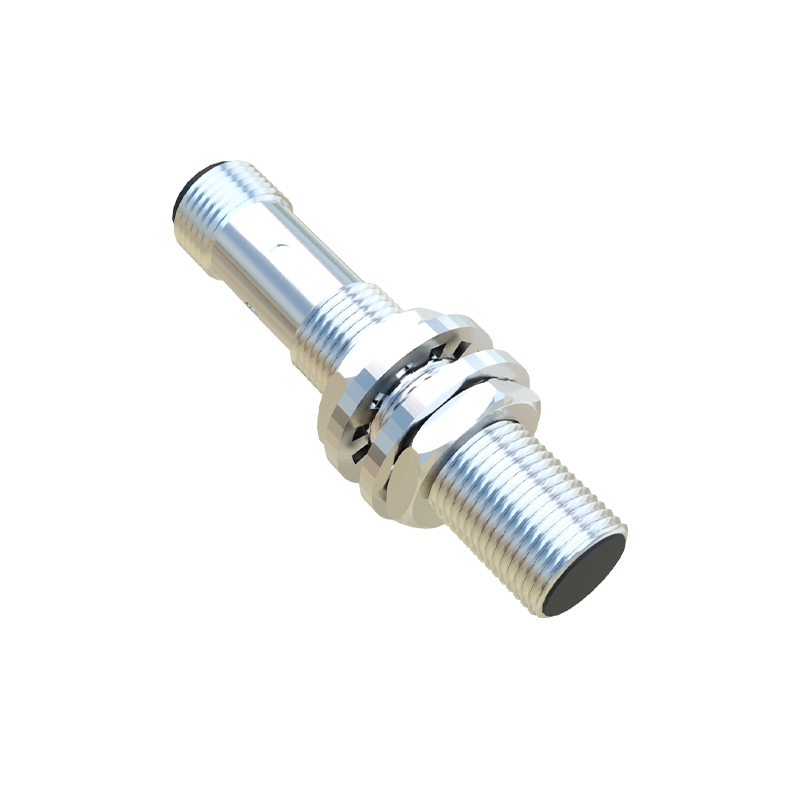
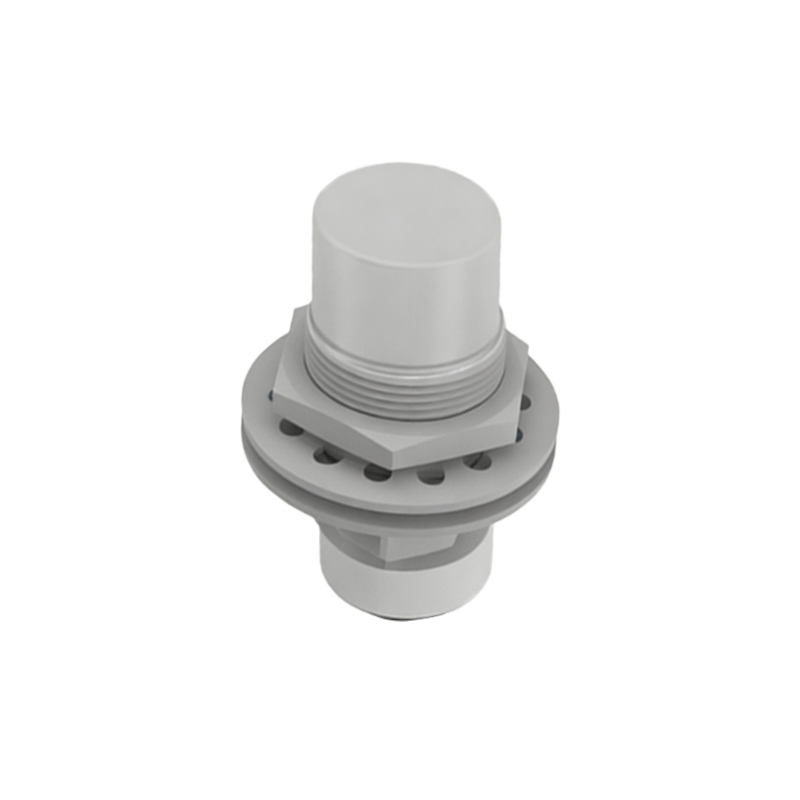
The functionality of proximity sensors is grounded in distinct physical principles. Inductive proximity sensors, for instance, generate an electromagnetic field to detect metallic objects. Capacitive variants sense both metallic and non-metallic materials by measuring changes in capacitance. Ultrasonic sensors emit sound waves to gauge distance, while photoelectric sensors use light beams. Each type is engineered for specific applications; inductive sensors excel in metal detection for machine tool positioning, whereas capacitive sensors are ideal for liquid level control or detecting plastics and glass. Understanding these principles is key to selecting the right sensor for a given task.
Key Functions in Automation and Control
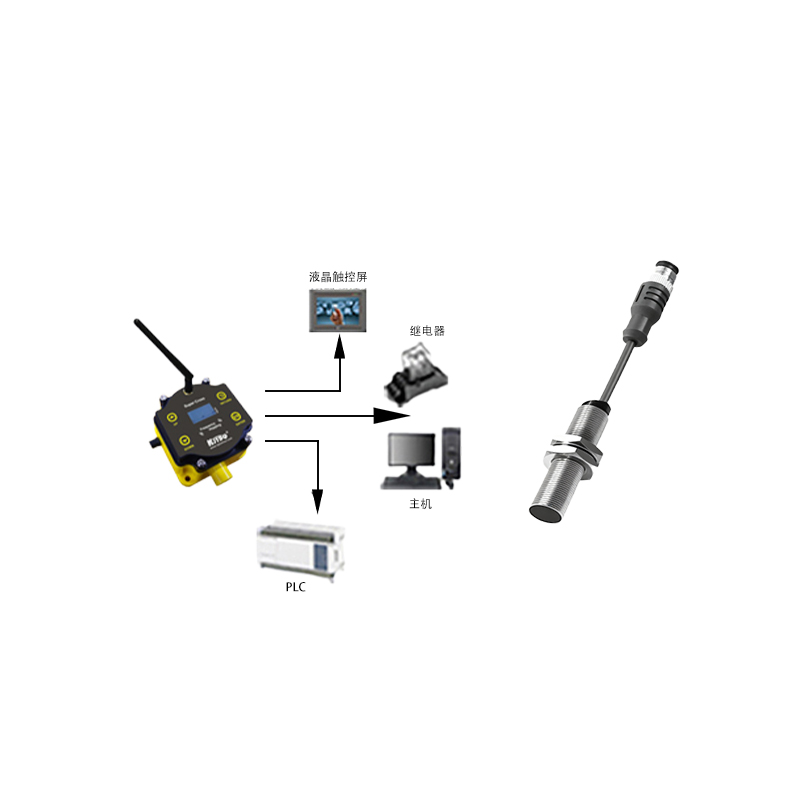
The primary role of proximity sensors is to provide input signals to programmable logic controllers (PLCs) or other control systems. They act as the "eyes" of an automated line, enabling functions such as object counting, position verification, and limit switching. For example, on a conveyor belt, sensors can detect products for sorting or trigger robotic arms for pick-and-place operations. They also play a critical role in safety interlocks, ensuring machinery operates only when guards are closed or when no personnel are in a hazardous zone, thereby preventing accidents and equipment damage.
Applications Across Diverse Industrial Sectors
The versatility of proximity sensors is evident in their widespread use. In the automotive industry, they monitor part presence in assembly robots and control valve positions. In packaging, they ensure precise filling levels and label placement. The aerospace sector relies on them for landing gear position sensing. Even in consumer electronics, they detect screen proximity to disable touch functionality during calls. This broad applicability stems from their reliability, fast response times—often in milliseconds—and minimal maintenance requirements, which reduce downtime and operational costs.
Advantages Over Mechanical Switches
Compared to traditional mechanical limit switches, proximity sensors offer significant benefits. Their non-contact nature eliminates wear and tear from physical impact, leading to longer service life and higher reliability. They provide faster switching speeds, essential for high-speed production lines. Additionally, they are less susceptible to environmental contaminants like dirt or moisture when properly sealed. This robustness translates to improved system accuracy and reduced maintenance intervals, making them a cost-effective solution despite a potentially higher initial investment.
Installation and Integration Considerations
Proper installation is crucial for optimal sensor performance. Factors such as sensing distance, target material, and environmental conditions must be evaluated. Mounting alignment, electrical noise interference, and temperature ranges should be carefully addressed during integration. Many modern sensors feature built-in diagnostics and IO-Link communication, enabling real-time monitoring and parameter adjustments. This connectivity supports Industry 4.0 initiatives, allowing for predictive maintenance and data collection to optimize overall equipment effectiveness (OEE) in smart factories.
Future Trends and Technological Evolution
The future of proximity sensing is intertwined with advancements in industrial IoT and miniaturization. Sensors are becoming smarter, with enhanced processing capabilities and wireless connectivity. Developments in materials science may lead to sensors capable of detecting subtler properties or operating in extreme temperatures. Furthermore, integration with artificial intelligence could enable predictive analytics for quality control. As industries strive for greater precision and autonomy, proximity sensors will continue to evolve, solidifying their role as fundamental enablers of automated, efficient, and safe industrial operations.