Introduction to 150mm Proximity Sensors
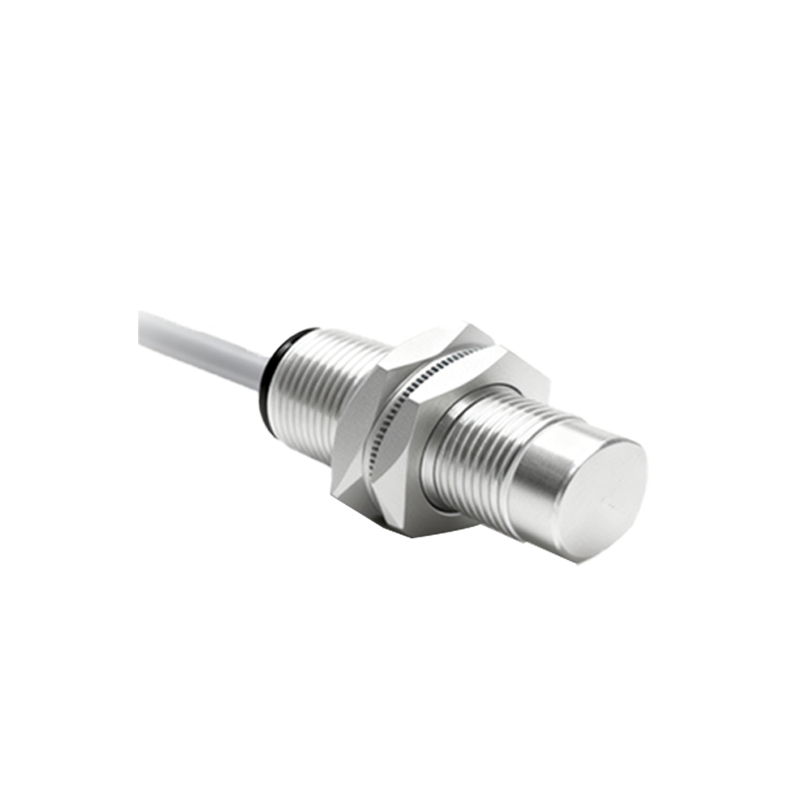
Proximity sensors with a 150mm sensing range represent a critical category in industrial automation, offering a balanced solution for medium-range detection tasks. These non-contact sensors detect the presence or absence of objects within their specified range without physical touch, making them ideal for harsh environments where contamination, wear, or mechanical impact is a concern. The 150mm specification refers to the nominal sensing distance, which is the maximum distance at which the sensor can reliably detect a standard target under defined conditions. This range is particularly versatile, bridging the gap between short-range sensors used for precise positioning and long-range sensors for area monitoring. Common technologies employed in 150mm proximity sensors include inductive, capacitive, and ultrasonic principles, each selected based on the target material and environmental factors.
Core Operating Principles and Technologies
The functionality of a 150mm proximity sensor hinges on its underlying technology. Inductive sensors are the most prevalent for metallic object detection. They generate an electromagnetic field; when a metal object enters this field within the 150mm range, it induces eddy currents that dampen the field's oscillation, triggering the sensor's output switch. Capacitive sensors, capable of detecting both metallic and non-metallic materials like liquids, plastics, or wood, measure changes in capacitance caused by a target entering their electrostatic field. For a 150mm capacitive sensor, this requires careful calibration to ignore background interference. Ultrasonic sensors emit high-frequency sound waves and measure the time for the echo to return, calculating distance. Achieving a stable 150mm sensing range with ultrasonics involves precise control over sound cone angle and environmental compensation for temperature and humidity variations.
Key Performance Characteristics and Specifications
Selecting a 150mm proximity sensor requires a detailed understanding of its specifications beyond just the range. Repeat accuracy, typically within a fraction of a millimeter, is crucial for consistent operation. The hysteresis, or the difference between the switch-on and switch-off points, provides stability against signal chatter when a target is at the sensing edge. Response time, often in the microsecond or millisecond range, determines how fast the sensor can detect a passing object. Environmental ratings are paramount; a robust 150mm sensor should feature high Ingress Protection (IP) ratings (e.g., IP67, IP69K) for dust and water resistance, along with wide operating temperature ranges and resistance to chemicals or oils. The output type—PNP, NPN, analog (4-20mA, 0-10V), or IO-Link for digital communication—must be compatible with the control system.
Primary Industrial Applications and Use Cases
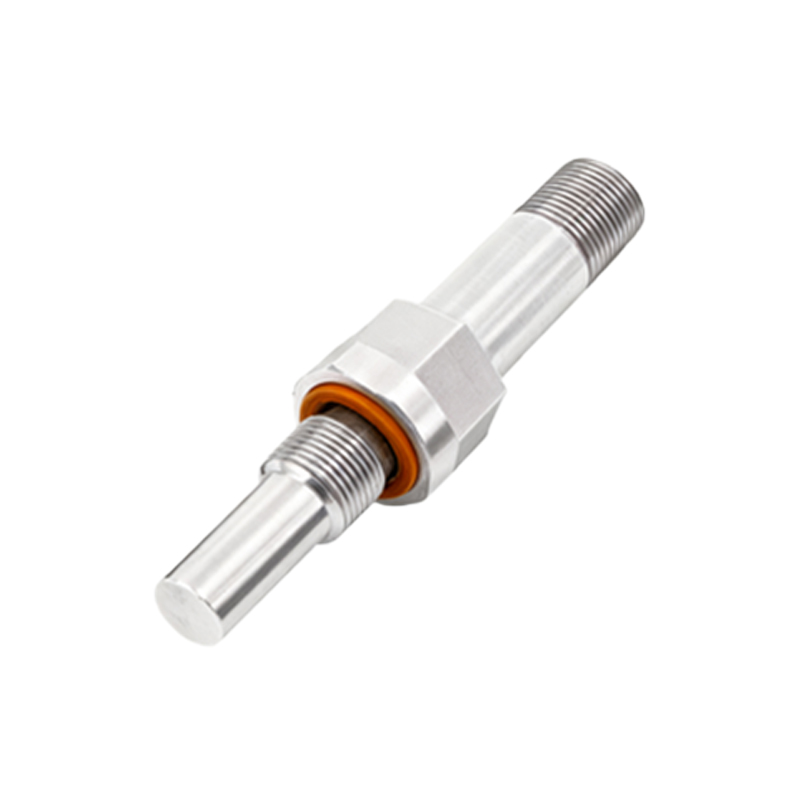
The 150mm sensing distance opens a wide array of applications across manufacturing and logistics. In automotive assembly lines, these sensors are deployed for pallet presence detection at conveyor transfer points or verifying the position of large vehicle body panels. In packaging machinery, they monitor the level of bulk materials in large hoppers or detect the presence of stacked cartons. Material handling systems utilize them for position verification of shuttle cars or automated guided vehicles (AGVs) at docking stations. The range is also beneficial in woodworking or metal fabrication for detecting oversized workpieces on saws or press brakes, providing a safety margin for operators. In warehouse automation, 150mm ultrasonic sensors are commonly used for high-level racking presence detection.
Critical Factors for Selection and Installation
Successful implementation of a 150mm proximity sensor depends on proper selection and installation. First, the target material dictates the technology: inductive for metals, capacitive for other materials or level detection, and ultrasonic for versatile, longer-range applications within this bracket. The sensor's housing material (e.g., stainless steel, PBT plastic) must withstand the environment. Mounting is critical; sensors must be installed securely to prevent vibration-induced false signals, with adequate clearance from surrounding metal (as specified in the mounting flush or non-flush guidelines) to ensure the full 150mm range is achievable. Electrical considerations include ensuring correct voltage supply, proper wiring to avoid noise interference, and selecting a suitable output configuration for the PLC or controller. Regular testing with the actual target material under real conditions is recommended to verify performance.
Advantages Over Alternative Sensing Ranges
Choosing a 150mm range sensor offers distinct advantages compared to shorter or longer-range alternatives. Compared to sensors with ranges below 50mm, they provide greater mechanical flexibility, allowing for easier installation and maintenance access without requiring equipment to be as tightly spaced. This reduces the risk of collision between the sensor and the target. Compared to sensors with ranges exceeding 300mm, 150mm models generally offer better precision and are less