Understanding the Core Technology
Ultrasonic proximity sensors operate on a fundamental principle of sound wave propagation. These devices generate high-frequency sound waves, typically above 20 kHz, which are inaudible to the human ear. The sensor emits a burst of these ultrasonic pulses and then listens for the echo. By precisely measuring the time interval between the emission of the pulse and the reception of its echo, the sensor can calculate the distance to a target object with remarkable accuracy. This time-of-flight (ToF) calculation is the cornerstone of their operation. The technology is not affected by the color, transparency, or surface texture of the object to the same degree as optical sensors, making it exceptionally reliable for diverse materials, including glass, liquids, and opaque solids. The sound waves travel through air, and their speed is influenced by temperature and humidity, which advanced sensors compensate for to maintain precision.
Key Operational Modes and Configurations
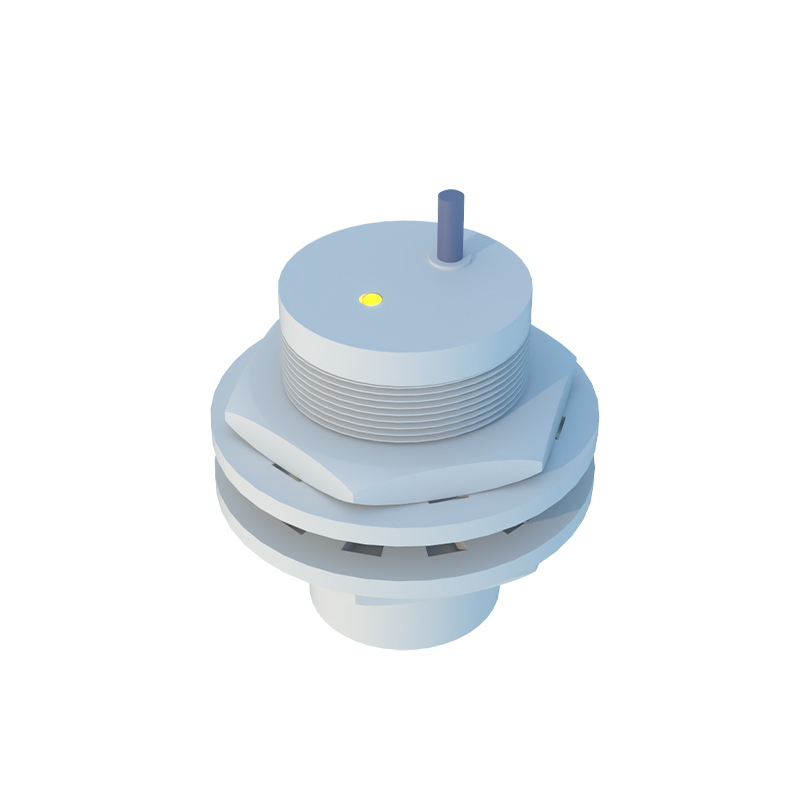
These sensors are primarily available in two main configurations: through-beam and diffuse-reflective (proximity) modes. In through-beam systems, separate units serve as the transmitter and receiver. An object is detected when it interrupts the ultrasonic beam between these two units, allowing for very long sensing ranges and high reliability. The diffuse-reflective, or proximity, mode is more common for distance measurement and short-range detection. Here, a single unit houses both the transmitter and receiver. It detects an object by receiving the sound waves reflected directly back from the target. This configuration simplifies installation and is ideal for applications like level detection, robotic guidance, and loop control in conveyor systems. Many modern ultrasonic sensors also offer analog output (4-20 mA or 0-10 V) for continuous distance measurement, as well as discrete outputs for simple on/off switching at set thresholds.
Prominent Industrial Applications
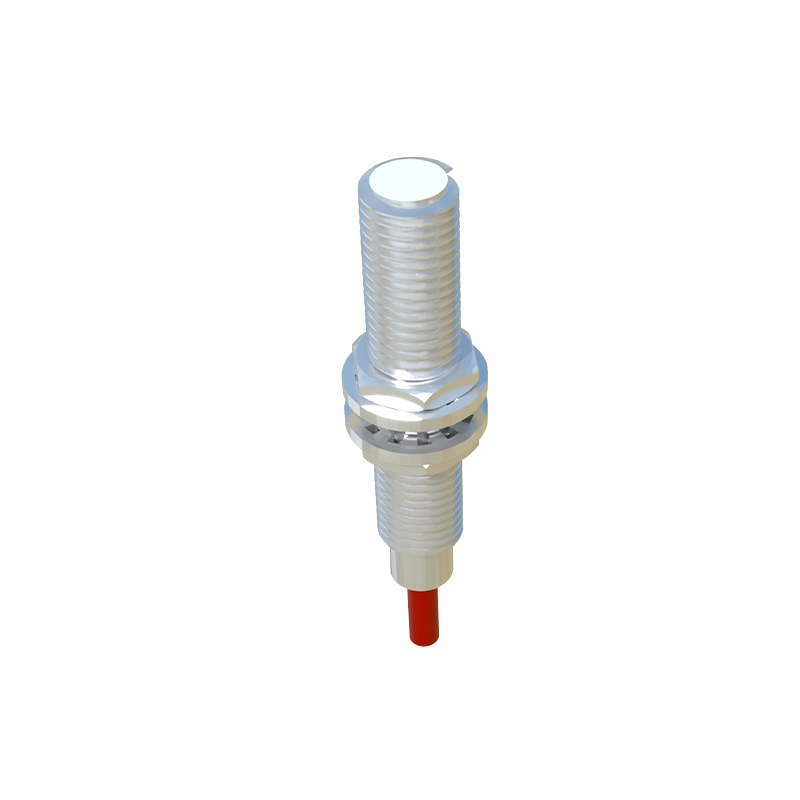
The versatility of ultrasonic proximity sensors has led to their widespread adoption across numerous sectors. In manufacturing and packaging, they are indispensable for precise object detection on high-speed assembly lines, ensuring correct part placement and counting. The automotive industry relies on them for collision avoidance systems and parking assistance. One of their most critical applications is in liquid and bulk solid level monitoring within tanks and silos. Unlike float switches or capacitive sensors, ultrasonic sensors provide non-contact measurement, preventing contamination and wear. They are equally effective in harsh environments, detecting objects in the presence of dust, fog, or steam where photoelectric sensors would fail. Furthermore, they play a vital role in robotics for obstacle detection and in the food and beverage industry for controlling fill levels without physical contact.
Advantages Over Alternative Sensing Technologies
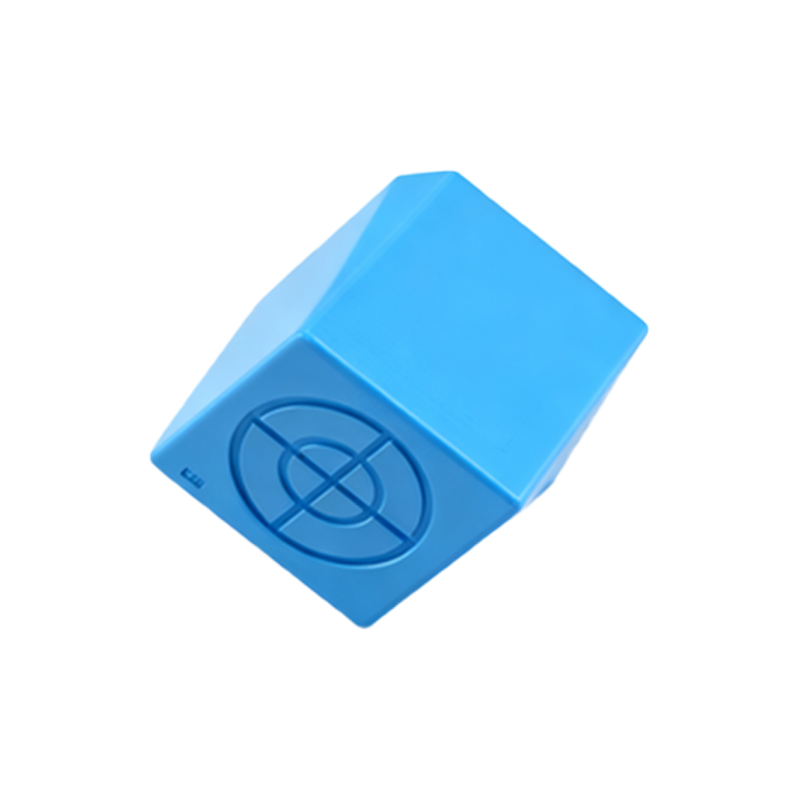
When compared to other prevalent sensing technologies like inductive, capacitive, or photoelectric sensors, ultrasonic proximity sensors offer a unique set of benefits. Their primary advantage is the ability to detect a vast range of materials regardless of optical properties. They provide excellent performance with clear, transparent, or highly reflective objects that often challenge photoelectric sensors. The sensing range is generally longer than that of standard inductive or capacitive proximity sensors. They are also largely immune to environmental interferences like ambient light, color changes, or electrical noise. The non-contact nature of measurement eliminates mechanical wear and tear on both the sensor and the target, leading to lower maintenance costs and higher system longevity. Their ability to provide precise, continuous distance data, rather than just a presence/absence signal, adds significant value for control and monitoring applications.
Considerations for Optimal Implementation
Despite their robustness, successful deployment requires careful consideration of several factors. The sensing range and beam angle are critical parameters; a wide beam angle might detect unwanted background objects, while a narrow beam requires precise alignment. The surface angle of the target is important, as highly angled surfaces may deflect sound waves away from the receiver. Temperature fluctuations can affect the speed of sound, so sensors with integrated temperature compensation are essential for high-precision applications over varying conditions. Acoustic noise from machinery like air compressors or high-pressure valves can sometimes interfere, necessitating proper shielding or the selection of sensors with adjustable operating frequencies. Finally, for level sensing, factors like foam, turbulence, or internal tank obstructions must be evaluated, as they can absorb or scatter the ultrasonic signal.
Future Trends and Innovations
The evolution of ultrasonic sensing technology continues to align with Industry 4.0 and smart factory trends. Modern sensors are becoming increasingly intelligent, featuring integrated IO-Link communication for digital parameter setting, remote diagnostics, and process data monitoring. This enables predictive maintenance by tracking performance metrics over time. Miniaturization is another key trend, allowing these sensors to fit into increasingly compact machinery and consumer electronics. Enhanced algorithms are improving rejection of false echoes and enabling more reliable operation in complex, cluttered environments. Furthermore, the development