Introduction to Proximity Sensor Mechanics
Proximity sensors are vital components in industrial automation, relying on precise mechanical alignment and construction to function correctly. While often discussed in terms of their electronic sensing principles, their physical housing, mounting, and internal mechanical components are equally critical. Mechanical failures can lead to inaccurate sensing, intermittent operation, or complete sensor failure, resulting in costly downtime. Understanding the common mechanical failure points is essential for maintenance personnel and system designers to ensure reliability and longevity in demanding industrial environments.
Housing Damage and Seal Failure
The sensor housing provides crucial protection for internal electronics. Common failures include cracks or deformation from physical impact, such as collisions with machinery, tools, or transported materials. Even minor cracks can compromise the ingress protection (IP) rating, allowing contaminants like dust, coolant, or metal shavings to enter. Seal failure, particularly in oil- and water-resistant models, is another frequent issue. Over time, temperature cycling, chemical exposure, or UV radiation can cause O-rings and gaskets to degrade, harden, or crack. This allows moisture or conductive fluids to seep in, leading to short circuits, corrosion, and eventual electrical failure of the sensing element or circuitry.
Mounting and Alignment Issues
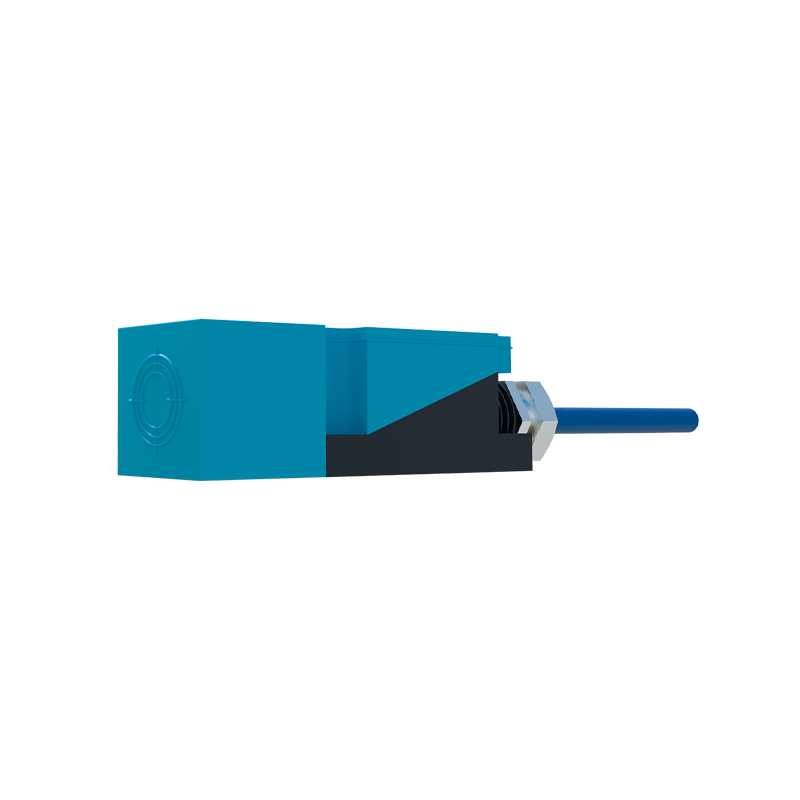
Improper installation is a leading cause of premature mechanical failure. Overtightening mounting nuts can distort the sensor housing or thread, altering the precise position of the sensing face and potentially damaging internal components. Conversely, loose mounting leads to vibration, which can cause gradual misalignment or physical damage from movement. Critical alignment between the sensor face and the target is often overlooked. Angular misalignment or an excessive gap beyond the sensor's specified sensing range can cause inconsistent or failed detection. In vibratory applications, inadequate mounting rigidity accelerates wear on both the sensor body and its mounting hardware.
Sensor Face Contamination and Coating
The active sensing face must remain clean and unobstructed. In environments with machining, welding, or painting, a buildup of material on the sensor face is a common problem. Metallic particles can affect inductive sensors, while non-conductive coatings like paint, grease, or epoxy can insulate the target from both inductive and capacitive sensors. This coating effectively increases the distance to the target, reducing the effective sensing range and potentially causing detection failures. For capacitive sensors, even a thin, consistent film of oil or water can be detected as a permanent target, leading to false triggers.
Internal Component Fatigue and Wear

While solid-state in design, some proximity sensors contain internal mechanical elements subject to wear. Sensors with built-in LED indicators or certain switching mechanisms have small internal parts that can fatigue over millions of cycles. More significantly, the solder joints and internal wiring connections are susceptible to failure from mechanical stress induced by vibration or thermal expansion/contraction. Constant vibration can cause work-hardening and cracking of internal conductors, leading to intermittent signals. This type of failure is often difficult to diagnose as it may manifest as an erratic electrical fault.
Connector and Cable Strain
The cable entry point and connector interface are high-stress areas. Cable pull or constant flexing, especially without proper strain relief, can break internal wires at the termination point inside the sensor housing. For sensors with integrated cables, repeated bending near the gland can cause conductor fracture. For connector-style sensors, issues include loose connector mating, broken locking mechanisms, and corrosion on connector pins due to environmental exposure. These failures disrupt signal integrity and power delivery, often mimicking a failed sensor when the issue is purely in the interconnection.
Environmental Stress and Material Degradation
Extreme environmental conditions directly cause mechanical degradation. Prolonged exposure to high temperatures can weaken plastic housings, degrade seals, and soften adhesives. Low temperatures can make materials brittle, increasing the risk of cracking from impact. Chemical exposure is another major factor; aggressive solvents, acids, or alkalis can attack sensor housing materials, causing swelling, cracking, or dissolution. Furthermore, continuous exposure to UV light (in outdoor applications) can embrittle and discolor plastic housings, reducing their impact resistance and potentially compromising light-based sensors.
Preventive Measures and Best Practices
Mitigating mechanical failures involves proactive design and maintenance. Selecting a sensor with an appropriate IP rating, housing material (e.g., stainless steel for harsh environments), and temperature rating for the application is the first step. Correct installation using torque specifications, proper alignment tools, and adequate strain relief for cables is crucial. Implementing regular inspection schedules to check for housing damage, face contamination, and secure mounting can catch issues early. In dirty environments, using sensors with protective face coatings or installing simple physical guards can prevent buildup and impact damage, significantly extending