Understanding the Core Technology
Anti-glare proximity sensors represent a critical advancement in industrial and consumer electronics, designed to function reliably in environments with high ambient light interference. Unlike standard sensors, these components incorporate specialized optical filters, advanced signal processing algorithms, and often modulated light sources (typically infrared) to distinguish the target signal from background optical noise. The core principle involves emitting a light pulse and measuring the reflection. Ambient light, such as sunlight or intense artificial lighting, creates a constant or fluctuating baseline signal. Anti-glare technology actively compensates for this by dynamically adjusting sensitivity thresholds or using synchronous detection methods that lock onto the specific frequency of the emitted pulse, effectively filtering out the DC component and random fluctuations caused by glare. This ensures accurate and stable detection of objects, preventing false triggers or missed detections that could disrupt automated processes, safety systems, or user interface interactions.
Critical Specifications for Sourcing
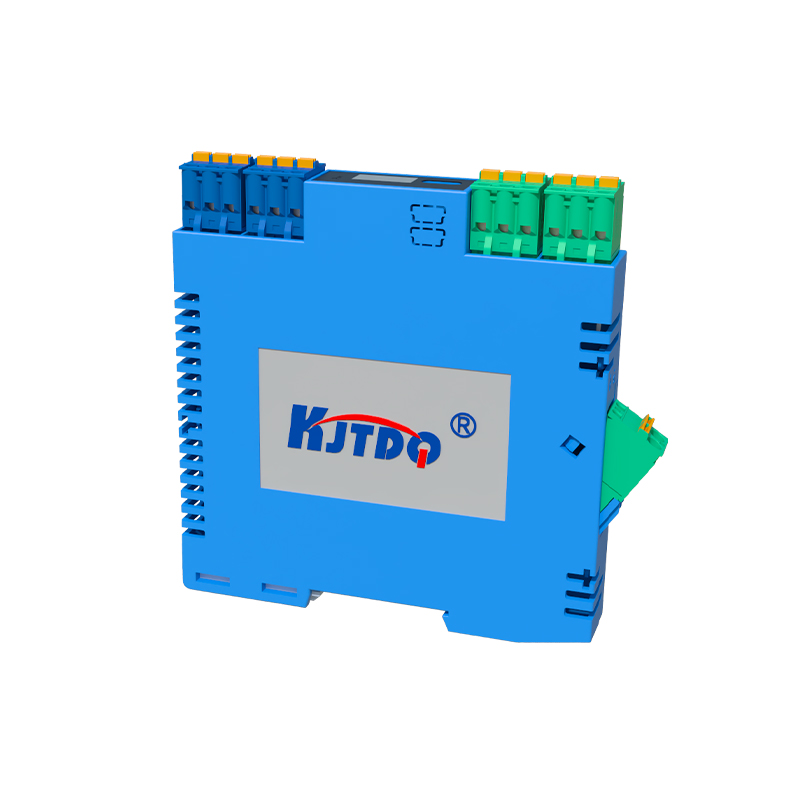
When procuring anti-glare proximity sensors, engineers must scrutinize several key specifications beyond basic detection range. The Ambient Light Immunity rating, often specified in lux (e.g., up to 100,000 lux for sunlight immunity), is paramount. The Response Time must be evaluated to ensure it meets the speed requirements of the application, such as on a fast-moving production line. Detection Distance and the Hysteresis (the difference between the switch-on and switch-off points) affect system stability. The Light Source type (IRED wavelength) and Output Type (digital NPN/PNP, analog 0-10V, IO-Link) must be compatible with the control system. Furthermore, the Housing Material (e.g., metal vs. plastic) and Ingress Protection (IP) Rating are crucial for durability in harsh, dusty, or wet environments where glare from water or reflective surfaces may also be a factor.
Supply Chain and Manufacturer Landscape
The global supply chain for these specialized sensors is dominated by established European, Japanese, and American manufacturers known for high reliability and advanced R&D, alongside competitive Asian suppliers offering cost-effective solutions. Key players include companies like Sick AG, Balluff, Omron, IFM Electronic, and Pepperl+Fuchs. Sourcing decisions must balance performance, cost, and logistical reliability. Engineers should consider not only the unit price but also long-term factors: Manufacturer Support (availability of technical documentation, application engineering), Lead Times and Inventory Stability, especially post-pandemic, and the ease of finding Alternative or Second-Source Components. Building a relationship with authorized distributors or directly with manufacturers can provide access to sample units, detailed datasheets, and custom configuration options.
Integration and Application Challenges
Successful integration of an anti-glare proximity sensor requires careful system design. A primary challenge is Mechanical Mounting; the sensor must be positioned to avoid its own lens becoming a source of glare or reflection, and to ensure the target object passes within the specified sensing field. Electrical Interference from nearby motors or frequency drives can sometimes affect sensor performance, necessitating proper shielding and cable routing. Parameter Configuration, such as setting the sensitivity potentiometer or teaching-in the detection window via push-button or software, is often required to fine-tune the sensor for the specific reflective properties of the target material and the exact ambient light conditions. Field testing under the actual operating environment's worst-case lighting scenarios is non-negotiable for validation.
Future Trends and Industry Outlook
The demand for robust anti-glare proximity sensors is growing, driven by automation, outdoor IoT devices, and advanced human-machine interfaces. Future trends point toward increased Miniaturization without sacrificing performance, higher levels of Integrated Intelligence with onboard diagnostics and predictive maintenance features via IO-Link, and enhanced Multi-Functionality—combining proximity sensing with ambient light sensing or temperature measurement in a single housing. The development of sensors with even higher immunity to specific challenging light sources, like lasers or strobe lights, is also underway. For supply chain professionals and engineers, staying informed about these trends is essential for specifying components that will remain viable and supportable throughout the product lifecycle, ensuring system resilience and longevity.