Introduction to Proximity Sensor Addressing
In industrial automation systems, proximity sensors play a critical role in detecting the presence or absence of objects without physical contact. These sensors, including inductive, capacitive, and photoelectric types, are integral to machinery safety, positioning, and process control. However, as automation networks grow in complexity, the need for precise sensor addressing becomes paramount. Addressing refers to the method by which each sensor is uniquely identified within a control system, enabling accurate data communication and troubleshooting. Without proper addressing, sensors may transmit conflicting signals, leading to operational errors, downtime, or safety hazards. This guide delves into the principles, methods, and best practices for proximity sensor addressing, tailored for engineers and technicians in the electrical and automation fields.
Types of Addressing Methods
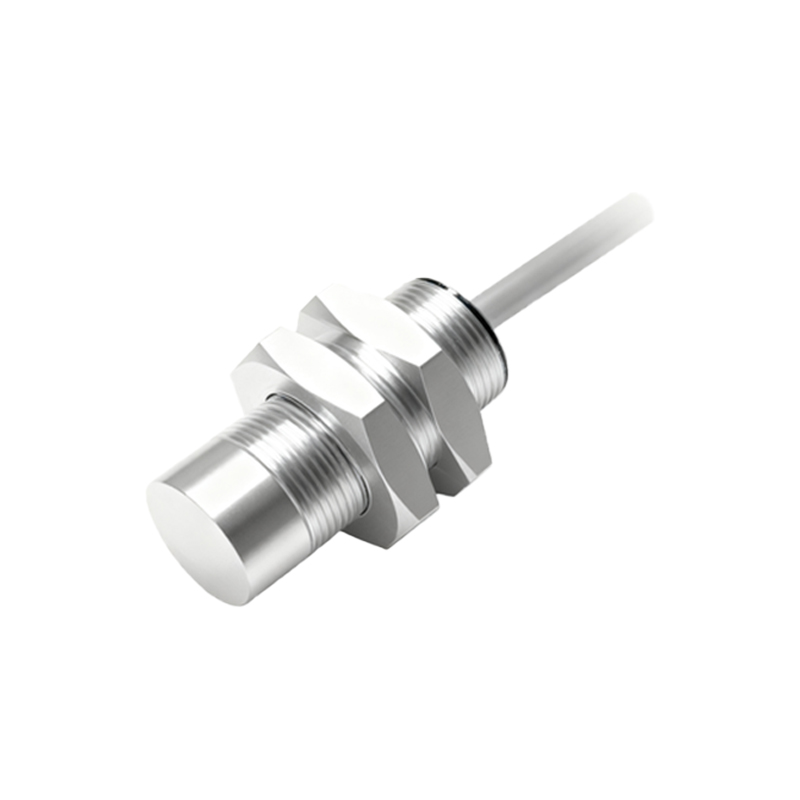
Proximity sensor addressing can be implemented through various methods, depending on the network architecture and sensor capabilities. Hardwired addressing involves assigning unique addresses via physical switches or jumpers on the sensor itself, commonly used in simpler systems with a limited number of sensors. For example, binary-coded switches allow setting addresses manually, ensuring each device has a distinct identifier. In contrast, software-based addressing utilizes configuration tools or PLC programming to assign addresses dynamically, often in networked environments like PROFINET or EtherNet/IP. This approach offers flexibility, especially in large-scale installations where reconfiguration may be frequent. Additionally, some advanced sensors support automatic addressing protocols, where the control system detects and assigns addresses upon startup, reducing setup time and human error. Each method has its advantages: hardwired addressing is robust and straightforward, while software methods enhance scalability and integration with digital twins or IIoT platforms.
Network Protocols and Addressing Standards
The choice of network protocol significantly influences proximity sensor addressing strategies. In fieldbus systems such as PROFIBUS, DeviceNet, or AS-Interface, addressing follows specific standards to ensure interoperability. For instance, AS-Interface uses a flat addressing scheme where each sensor is assigned a unique 5-bit address, allowing up to 62 devices per network segment. In Ethernet-based protocols like EtherNet/IP or PROFINET, addressing aligns with IP conventions, incorporating subnet masks and gateway settings for seamless integration into plant-wide networks. These protocols often support diagnostic features, enabling engineers to monitor address conflicts or communication failures in real-time. It's crucial to adhere to manufacturer guidelines and industry standards, such as IEC 61131 for programmable controllers, to maintain system reliability. Engineers must also consider factors like network topology, cable length, and data transmission rates, as these can impact address stability and sensor performance in harsh industrial environments.
Best Practices for Implementation
Implementing effective proximity sensor addressing requires careful planning and execution. Start by documenting all sensor locations, types, and intended functions in a network diagram, which serves as a reference for address assignment and future maintenance. Use consistent naming conventions, such as alphanumeric codes that reflect the sensor's role (e.g., "PS01_Conveyor" for a proximity sensor on a conveyor line). During installation, verify addresses through testing tools like handheld configurators or PLC software, ensuring no duplicates exist. In networked systems, leverage diagnostic LEDs on sensors to quickly identify addressing issues—flashing lights often indicate communication errors. Regular audits are recommended, especially after system modifications, to update address tables and prevent conflicts. Additionally, consider using shielded cables and proper grounding to minimize electromagnetic interference, which can disrupt address signals in sensitive applications like automotive assembly or food processing lines.
Troubleshooting Common Addressing Issues
Addressing problems in proximity sensors can manifest as erratic behavior, data loss, or complete system failures. Common issues include duplicate addresses, where two sensors share the same identifier, causing the control system to receive ambiguous signals. This is often resolved by reconfiguring addresses manually or resetting the network. Another frequent challenge is address corruption due to power surges or environmental factors; in such cases, reprogramming the sensor or replacing its memory module may be necessary. Engineers should utilize diagnostic software to scan the network for conflicts and monitor signal integrity. For hardwired systems, physical inspection of switches or connectors is essential, as dirt or wear can lead to poor contact and address drift. Proactive measures, such as implementing surge protection and adhering to environmental ratings (e.g., IP67 for dust and water resistance), can mitigate these risks and ensure long-term addressing stability.
Future Trends in Sensor Addressing
The evolution of Industry 4.0 is reshaping proximity sensor addressing toward greater intelligence and connectivity. Emerging trends include the integration of RFID tags with sensors, enabling automatic address assignment and asset tracking without manual intervention. Wireless protocols, such as IO-Link Wireless or Bluetooth Low Energy