Introduction to Proximity Sensor Pricing Factors
The publication of a proximity sensor price list is a critical reference point for procurement specialists, system integrators, and maintenance engineers across the industrial automation sector. Pricing is not a static figure but a variable influenced by a complex matrix of technical specifications, market dynamics, and supply chain factors. Key determinants include the sensing technology—inductive, capacitive, ultrasonic, or photoelectric—each with distinct cost structures. Inductive sensors, for detecting metals, are often the most cost-effective for standard applications, while specialized capacitive or long-range ultrasonic variants command a premium. Other pivotal factors affecting the listed price are sensing range, housing material (e.g., stainless steel vs. PBT plastic), output type (PNP/NPN, analog, IO-Link), and protection ratings like IP67 or IP69K. Understanding this breakdown is essential for making informed purchasing decisions beyond a simple price comparison.
Current Market Price Range Overview
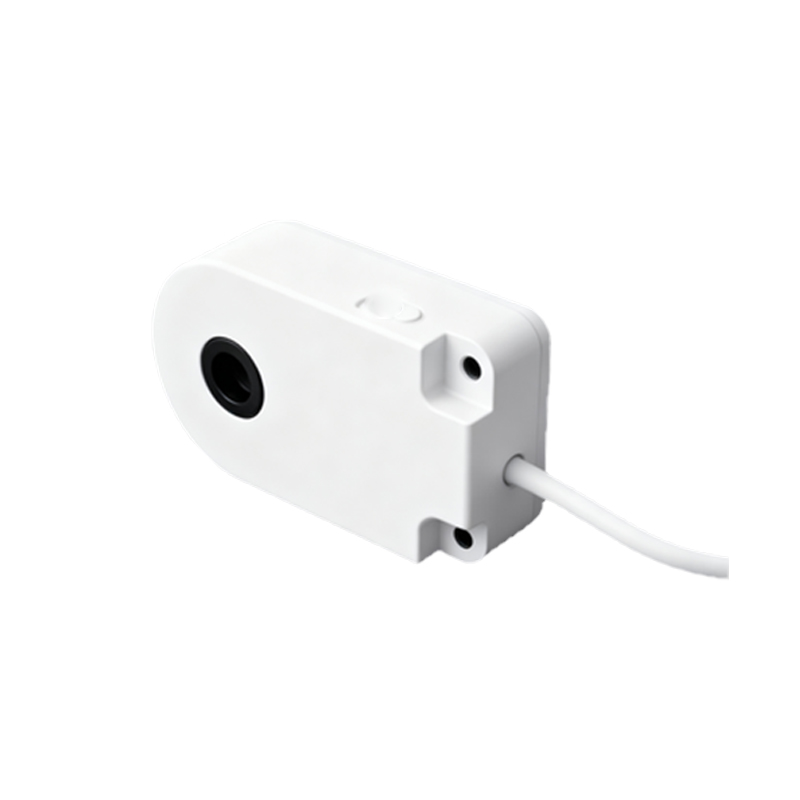
A comprehensive price list公示 reveals a broad spectrum. Standard tubular inductive sensors (M12 or M18 form factors) with a 5-10mm range typically start from $15 to $40 per unit in single-piece quantities. Prices for capacitive sensors for non-metallic object detection generally range from $30 to $70. Long-range or background suppression photoelectric sensors see prices from $50 to over $150, depending on precision and range. It is crucial to note that these are list prices; significant volume discounts of 20-40% are standard for OEM or large-scale project procurement. Furthermore, integrated smart sensors with IO-Link communication and diagnostics features can be 30-50% more expensive than their standard counterparts, reflecting the added value in data connectivity and predictive maintenance capabilities.
Impact of Brand and Quality on Quoted Prices
The manufacturer's brand equity profoundly impacts the price list. Established global leaders like Siemens, Omron, Pepperl+Fuchs, and Balluff often quote prices 20-35% higher than mid-tier or generic brands. This premium is justified by extensive R&D, rigorous quality control, global certification, reliable warranty, and robust technical support. Their price lists reflect not just a component cost but the total cost of ownership, emphasizing long-term reliability in harsh environments. Conversely, competitive offerings from other reputable manufacturers or regional suppliers provide a compelling cost-saving alternative for less critical applications, with prices that can be highly attractive while still meeting necessary performance standards.
Analysis of Bulk Purchase and Contract Pricing
The published price list typically serves as a baseline for negotiation. For annual contracts or bulk orders exceeding certain thresholds, negotiated pricing comes into effect. This confidential pricing can substantially lower the per-unit cost. Factors influencing contract pricing include annual volume commitments, payment terms, and the strategic importance of the supplier relationship. Many suppliers offer tiered pricing models on their official quotes, where unit price decreases at predefined quantity breaks (e.g., 1-9 units, 10-99 units, 100+ units). Procurement teams must engage directly with supplier sales engineers or authorized distributors to access these tailored commercial offers, which are rarely included in public-facing price lists.
Future Price Trends and Procurement Advice
Monitoring price list trends is vital for budget forecasting. Current industry analysis suggests moderate upward pressure on prices due to fluctuations in raw material costs (metals, semiconductors) and global logistics. However, advancements in manufacturing and increased competition, especially in the smart sensor segment, may offset some increases. For optimal procurement, engineers are advised to first precisely define the application requirements to avoid over-specifying and incurring unnecessary cost. Secondly, they should compare not only the sensor unit price but also the total installed cost, considering cabling, mounting accessories, and programming time. Finally, establishing relationships with trusted distributors can provide early access to updated price lists, promotional discounts, and valuable market intelligence.