Introduction to All-Metal Proximity Sensors
Proximity switch sensors are fundamental components in industrial automation, providing non-contact detection of metallic objects. Among the various types, sensors specifically designed for all-metal detection represent a critical category. Unlike standard inductive sensors that may be optimized for ferrous metals like iron and steel, all-metal proximity sensors are engineered to detect any metallic target, including non-ferrous metals such as aluminum, copper, and brass. This capability is achieved through advanced oscillator and evaluation circuit designs that respond to the presence of any conductive material, not just those with magnetic properties. The core principle remains electromagnetic induction, but the sensor's operating frequency and signal processing are tailored to induce eddy currents in a wider range of materials, making them indispensable in mixed-material production lines and applications involving stainless steel or aluminum components.
Technical Operating Principles and Design
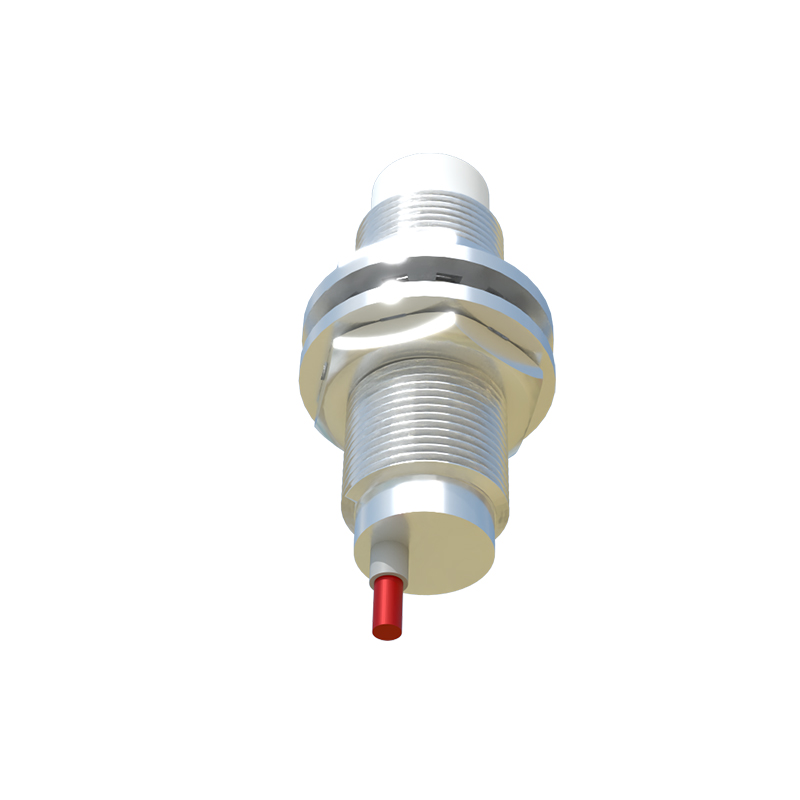
The operational heart of an all-metal inductive proximity sensor is a high-frequency oscillator circuit that generates an electromagnetic field from its sensing face. When any metallic object enters this active field, eddy currents are induced on the surface of the target. These currents draw energy from the oscillator, resulting in a measurable damping or amplitude reduction of the oscillations. The sensor's integrated evaluation electronics detects this change and triggers a solid-state switching output. Key to the "all-metal" performance is the ability to compensate for the different damping characteristics of various metals. For instance, aluminum has lower conductivity and permeability than steel, causing a weaker damping effect. Modern sensors use sophisticated algorithms and adjustable sensing distances or switching frequencies to ensure reliable detection across the metal spectrum, often featuring a correction factor (or reduction factor) specified for common non-ferrous metals relative to standard steel.
Key Advantages and Performance Characteristics
Deploying all-metal proximity sensors offers several distinct advantages in industrial settings. Their primary benefit is unparalleled versatility, eliminating the need for sensor changeovers when processing different materials. This simplifies inventory management and reduces downtime. They typically exhibit high switching frequencies and excellent repeat accuracy, which is crucial for high-speed counting and positioning tasks. Furthermore, their robust construction, often featuring stainless steel or brass housings with IP67 or IP69K ratings, ensures reliable operation in harsh environments with exposure to coolants, oils, and washdown procedures. The non-contact nature of detection prevents wear and tear on both the sensor and the target, leading to minimal maintenance and a long operational lifespan. Many models also incorporate advanced features like short-circuit protection, reverse polarity protection, and immunity to electromagnetic interference (EMI).
Critical Application Areas in Industry
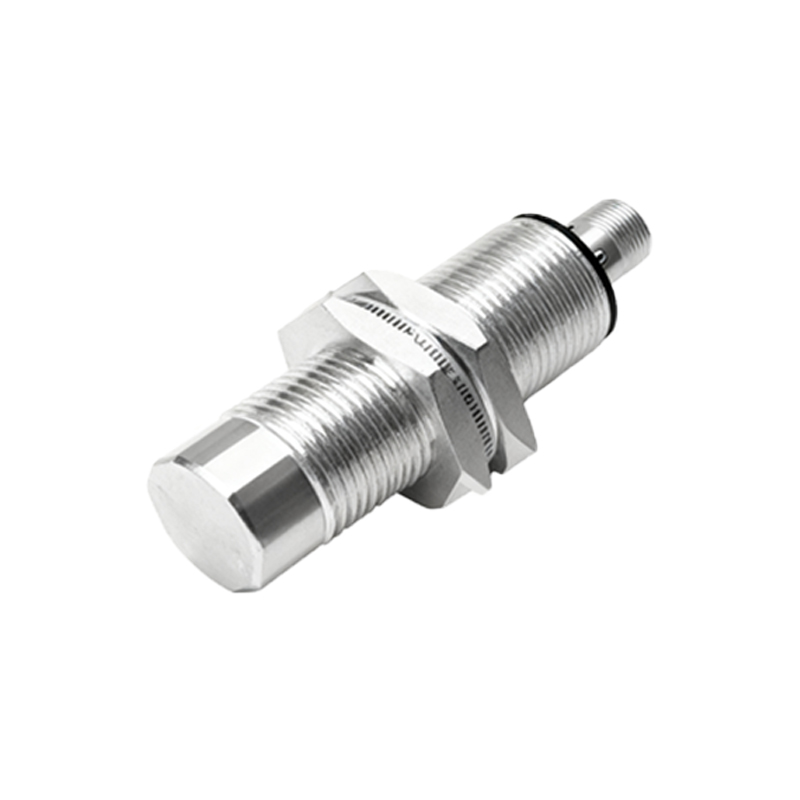
The application scope for all-metal proximity sensors is vast and crosses multiple industrial sectors. In automotive manufacturing, they are used to detect aluminum engine blocks, transmission components, and various brackets regardless of material. Packaging machinery utilizes them to sense metallic foils, caps, and presence of containers on conveyor lines. In metal fabrication and CNC machining, they provide precise end-position detection for slides and tool changers handling different stock materials. They are also essential in material handling systems for detecting pallets, racks, and trolleys, which may be constructed from a combination of steel and aluminum. Any application involving stainless steel, such as in food & beverage or pharmaceutical production, heavily relies on these sensors due to stainless steel's weak magnetic response.
Installation Considerations and Best Practices
Correct installation is paramount for optimal sensor performance. A primary consideration is the mounting environment. While the sensor detects all metals, its sensing range can be influenced by surrounding metallic structures. Maintaining the recommended lateral and flush mounting distances from metal mounting surfaces (as per manufacturer guidelines) prevents false triggering or shielding effects. The sensing distance, often rated for a standard mild steel target, must be derated when detecting metals like copper or aluminum; consulting the sensor's datasheet for specific reduction factors is essential for accurate positioning. Environmental factors such as extreme temperatures, strong magnetic fields, or conductive dust must also be considered, and selecting a sensor with an appropriate housing material, temperature range, and protection rating is critical for long-term reliability.
Selection Criteria and Future Trends
Selecting the right all-metal proximity sensor requires analyzing several parameters. The required sensing distance, adjusted for the target material, is the starting point. The physical size and housing style (e.g., cylindrical, rectangular) must fit the mechanical constraints. The output type (PNP/NPN, NO/NC, analog, or IO-Link) must be compatible with the control system. Environmental ratings for dust, water, and chemical resistance are non-negotiable for harsh conditions. Looking forward, the integration of smart sensor technology and Industrial Internet of Things (IIoT) capabilities is a clear trend. Modern all-metal sensors are increasingly featuring IO-Link communication,