Introduction to Proximity Sensors
Proximity sensors are critical components in modern automated production lines, serving as the eyes and ears of industrial machinery. These devices detect the presence or absence of objects without physical contact, relying on electromagnetic fields, infrared light, or ultrasonic waves. By providing real-time feedback to control systems, they enable precise positioning, counting, and monitoring of materials and equipment. Their non-contact nature minimizes wear and tear, reducing maintenance costs and downtime. In industries ranging from automotive manufacturing to food processing, proximity sensors contribute to streamlined operations and enhanced productivity.
Types of Proximity Sensors
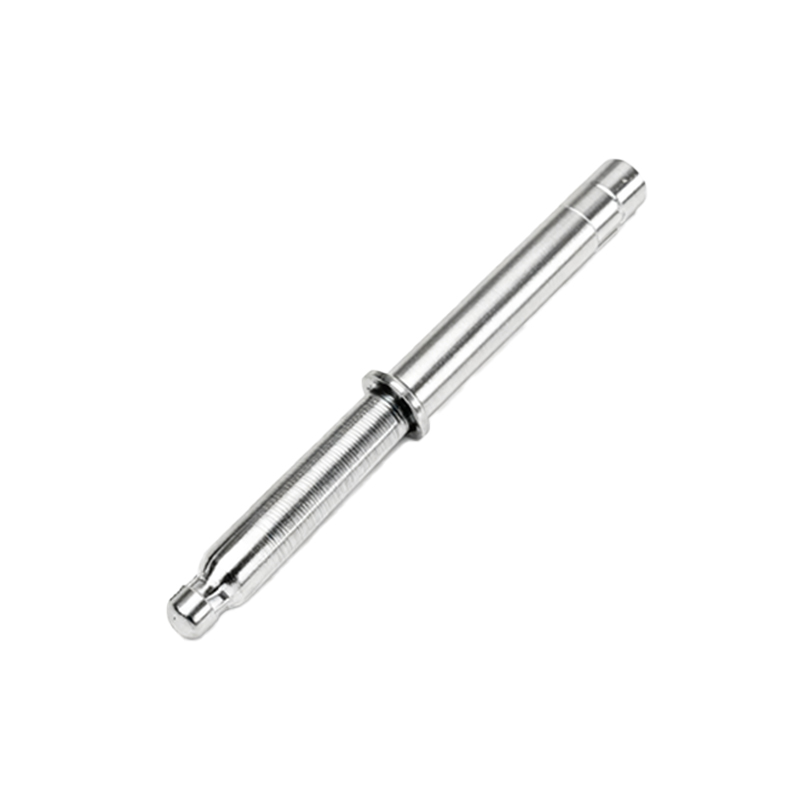
Several types of proximity sensors are utilized in automated production lines, each suited to specific applications. Inductive sensors detect metallic objects using electromagnetic fields, making them ideal for metal detection in machinery. Capacitive sensors can sense both metallic and non-metallic materials by measuring changes in capacitance, often used in liquid level detection or plastic handling. Ultrasonic sensors employ sound waves to measure distance and detect objects, effective in harsh environments with dust or moisture. Photoelectric sensors use light beams to sense objects, offering long-range detection for packaging and assembly lines. Selecting the right sensor depends on factors like material type, environmental conditions, and required sensing range.
Key Applications in Automation
In automated production lines, proximity sensors play a vital role in various processes. They are commonly used for object detection on conveyor belts, ensuring items are properly positioned for machining or packaging. In robotic arms, sensors guide precise movements for picking and placing components, improving accuracy and speed. For safety, they monitor machine guards and emergency stops, preventing accidents by halting operations when intrusions are detected. Additionally, sensors assist in quality control by verifying part presence or alignment, reducing defects and waste. Their integration with PLCs (Programmable Logic Controllers) allows for seamless automation, enabling complex sequences without human intervention.
Benefits for Production Efficiency
The implementation of proximity sensors significantly boosts production efficiency in automated lines. By enabling faster response times compared to mechanical switches, they increase throughput and reduce cycle times. Their reliability ensures consistent operation, minimizing errors that lead to rework or scrap. With no moving parts, sensors offer long service life and low maintenance, cutting operational costs. Data from sensors can be analyzed for predictive maintenance, alerting technicians to potential failures before they occur. This proactive approach enhances overall equipment effectiveness (OEE), supporting lean manufacturing principles and just-in-time production.
Challenges and Solutions
Despite their advantages, proximity sensors face challenges in industrial settings. Environmental factors like temperature extremes, vibration, or electromagnetic interference can affect performance. To mitigate this, sensors with robust housings and IP ratings for dust and water resistance are recommended. Calibration and alignment issues may arise, requiring regular checks and proper installation. Advances in technology, such as self-diagnostic features and wireless connectivity, help address these problems by providing real-time monitoring and easier integration. Training personnel on sensor selection and maintenance is also crucial for optimal use.
Future Trends and Innovations
The future of proximity sensors in automated production lines is shaped by ongoing innovations. Smart sensors with IoT (Internet of Things) capabilities are emerging, allowing for remote monitoring and data analytics to optimize processes. Miniaturization enables installation in tight spaces, expanding application possibilities. Enhanced sensing ranges and accuracy improve performance in demanding tasks like high-speed sorting. Integration with AI (Artificial Intelligence) systems may lead to adaptive sensors that learn from environmental changes, further boosting efficiency. As Industry 4.0 evolves, proximity sensors will continue to be integral to smart factories, driving automation toward greater autonomy and intelligence.
Conclusion
Proximity sensors are indispensable in automated production lines, offering non-contact detection that enhances efficiency, safety, and reliability. From inductive to ultrasonic types, their diverse applications support everything from material handling to quality assurance. By overcoming challenges through technological advancements, they contribute to reduced costs and increased productivity. As automation advances, these sensors will evolve with smarter features, solidifying their role in the industrial landscape. Investing in the right proximity sensor solutions is key to maintaining competitive edge in modern manufacturing.