Introduction to Laser Distance Proximity Sensors
Laser distance proximity sensors are advanced devices that utilize laser technology to detect the presence, absence, or position of objects without physical contact. These sensors emit a focused laser beam towards a target, and by measuring the time it takes for the light to reflect back or analyzing the phase shift, they calculate precise distances. Commonly used in industrial automation, robotics, and safety systems, they offer high accuracy, fast response times, and reliability in challenging environments. Unlike ultrasonic or infrared sensors, laser-based variants provide superior resolution and minimal interference, making them ideal for applications requiring exact measurements, such as assembly line monitoring, material handling, and quality control. Their non-contact nature reduces wear and tear, enhancing operational efficiency and longevity in manufacturing setups.
Core Working Principles and Technology
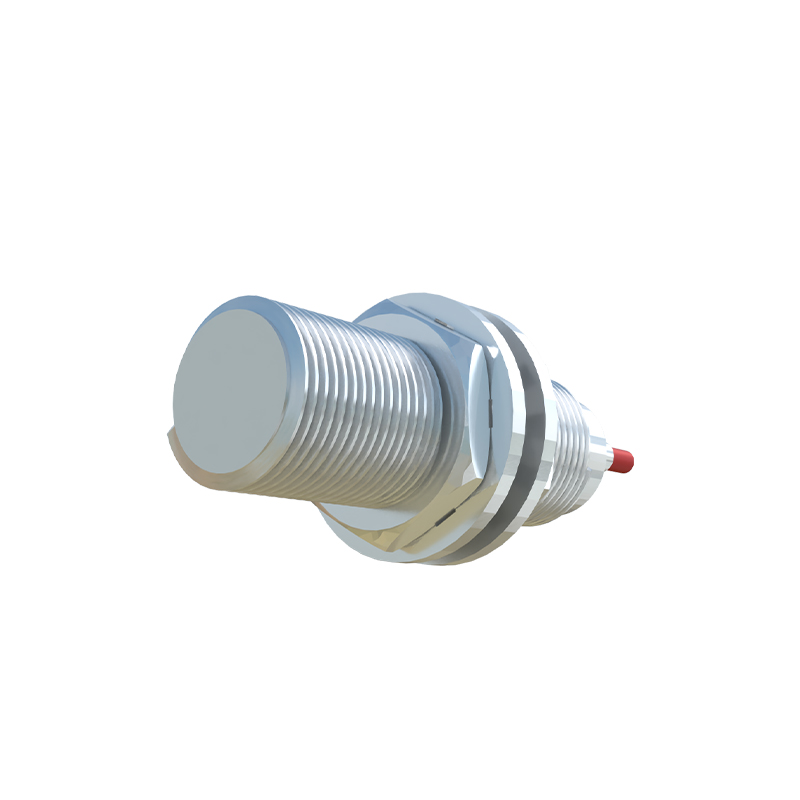
The operation of laser distance proximity sensors hinges on optical triangulation or time-of-flight (ToF) methods. In triangulation, a laser diode projects a beam onto an object, and a receiver lens captures the reflected light at an angle, allowing distance calculation based on geometric principles. This method suits short to medium ranges with micron-level precision. For longer distances, ToF sensors measure the round-trip time of laser pulses, using high-speed electronics to compute distance based on light speed. Advanced models incorporate CMOS or CCD arrays for enhanced detection, along with signal processing algorithms to filter noise from ambient light or vibrations. These technologies enable sensors to perform in diverse conditions, from dusty factories to outdoor settings, ensuring consistent data output for automated decision-making.
Key Applications in Industrial Automation
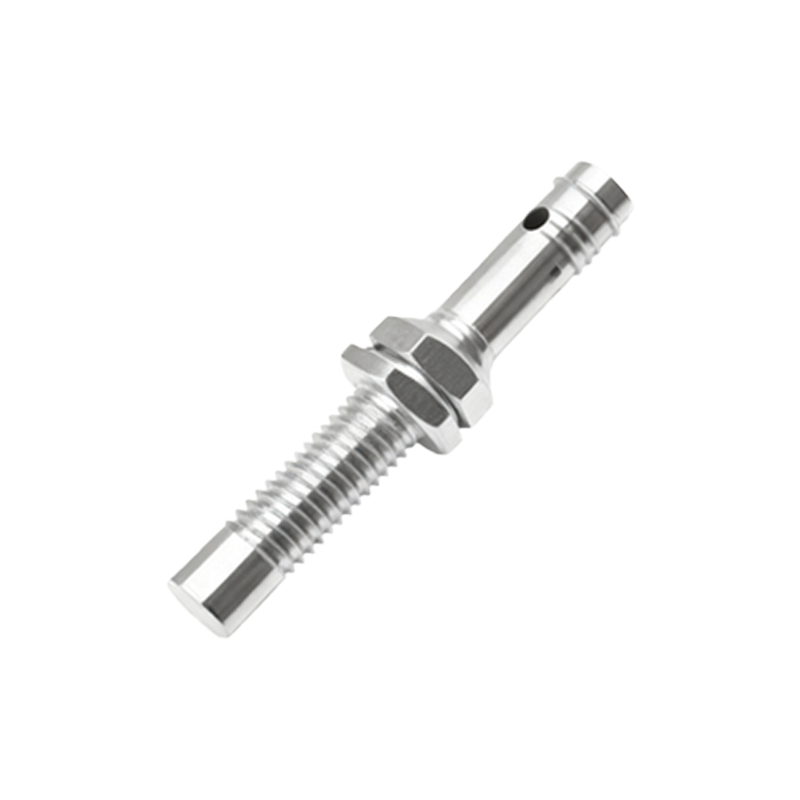
In industrial automation, laser distance proximity sensors play a pivotal role in optimizing processes. They are deployed for object detection on conveyor belts, where they verify part presence and trigger robotic arms for pick-and-place tasks. In automotive manufacturing, sensors measure component alignments during assembly, preventing defects and reducing waste. Additionally, they facilitate precise level monitoring in silos or tanks, enhancing inventory management. For safety, these sensors create light curtains or zones to halt machinery when workers approach hazardous areas, minimizing accident risks. In logistics, they enable automated guided vehicles (AGVs) to navigate warehouses by detecting obstacles and measuring path distances, streamlining supply chain operations. Their versatility supports Industry 4.0 initiatives, integrating with IoT systems for real-time analytics and predictive maintenance.
Advantages Over Traditional Sensing Methods
Compared to traditional sensors like inductive, capacitive, or ultrasonic types, laser distance proximity sensors offer distinct benefits. They provide higher accuracy, often within sub-millimeter ranges, which is crucial for precision engineering tasks. Their fast response times, typically in microseconds, allow for high-speed production lines without lag. The focused laser beam minimizes cross-talk and environmental interference, ensuring reliable performance in noisy or cluttered spaces. Moreover, they can detect a wide variety of materials, including transparent or reflective surfaces, which other sensors may struggle with. Non-contact operation eliminates mechanical stress, reducing maintenance costs and downtime. These advantages lead to improved productivity, quality assurance, and cost savings, making them a preferred choice for modern industrial applications.
Challenges and Future Developments
Despite their strengths, laser distance proximity sensors face challenges such as sensitivity to extreme temperatures, humidity, or direct sunlight, which can affect beam integrity. High initial costs and complexity in calibration may deter small-scale adopters. However, ongoing research aims to address these issues through ruggedized designs and AI-enhanced calibration tools. Future trends include miniaturization for compact devices, integration with wireless networks for remote monitoring, and the use of multi-spectral lasers to detect material properties beyond distance. As industries embrace smart manufacturing, these sensors are evolving to offer cloud connectivity and data fusion capabilities, enabling autonomous systems that adapt dynamically. Innovations in cost reduction and durability will likely expand their use in sectors like agriculture, healthcare, and consumer electronics.
Conclusion and Industry Impact
Laser distance proximity sensors are transformative tools in industrial automation, driving efficiency, safety, and precision. By enabling non-contact, high-accuracy measurements, they support complex automated processes and reduce human error. As technology advances, their integration with digital systems will further enhance operational intelligence, paving the way for fully automated factories. Industries investing in these sensors can expect significant returns through optimized workflows and enhanced competitiveness. Embracing these innovations is key to thriving in an era of rapid technological change, where precision and reliability define success.