Introduction to Proximity Sensing Technology
In the intricate world of industrial automation, proximity sensors stand as fundamental, yet often overlooked, components. These non-contact electronic devices are engineered to detect the presence or absence of an object within a specified range without any physical contact. Operating on various principles such as electromagnetic fields, capacitance, or ultrasonic waves, they provide a critical interface between the physical movement of machinery and the digital control system. Their primary function is to convert the detection of an object into an electrical signal, which is then processed by a Programmable Logic Controller (PLC) or other control units to trigger subsequent actions. This seamless interaction forms the backbone of countless automated processes, from simple object counting on a conveyor belt to complex robotic assembly sequences. The reliability and precision of these sensors are paramount, as they directly influence system efficiency, product quality, and operational safety.
Core Functions and Operational Principles
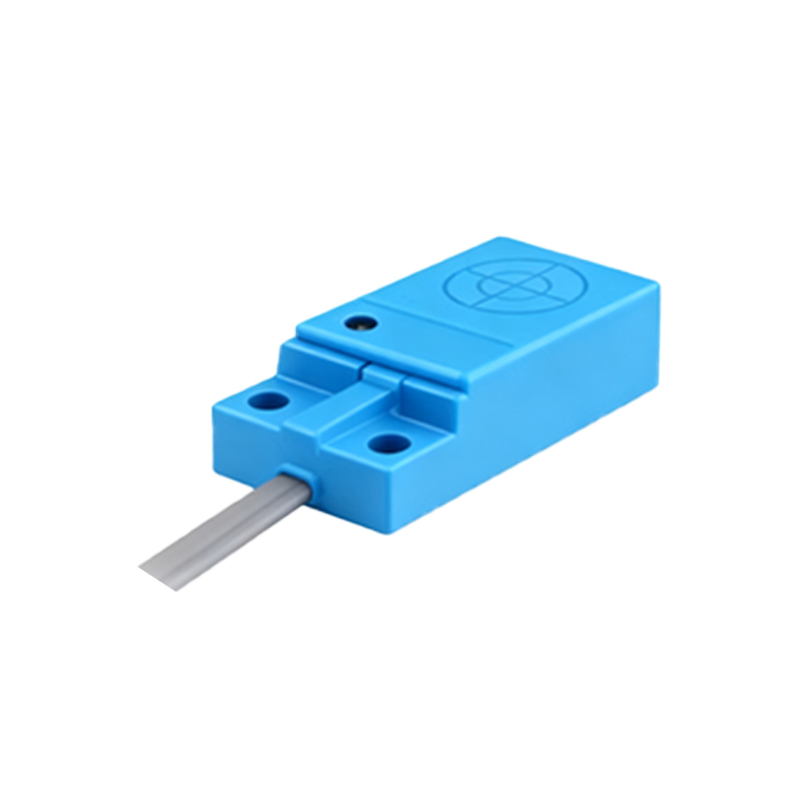
The operational heart of a proximity sensor lies in its ability to perform consistent, high-speed detection. Inductive proximity sensors, for instance, generate an oscillating electromagnetic field. When a metallic object enters this field, it induces eddy currents that dampen the oscillation, triggering the sensor's output switch. Capacitive sensors, on the other hand, detect both metallic and non-metallic materials by sensing changes in capacitance caused by the target object. Photoelectric sensors use a light beam, and ultrasonic sensors employ sound waves for detection. Regardless of the technology, the core function remains: to provide a definitive, binary signal—"object present" or "object absent." This signal is used for precise positioning, ensuring a robotic arm picks up a component at the exact correct location, or for end-of-travel detection, preventing a machine part from moving beyond its mechanical limits.
Enhancing Machine Safety and Personnel Protection
Beyond basic automation, proximity sensors play an indispensable role in safety systems, a critical aspect often governed by standards like ISO 13849. They are integral components of safety light curtains, area scanners, and interlock guards. For example, magnetic proximity sensors are commonly used in safety door monitoring. If a protective guard door on a machine is opened during operation, the sensor immediately detects the change in the magnetic field and sends a stop signal to the machine's safety relay, halting all hazardous motion. This function is vital for protecting maintenance personnel during intervention. Similarly, non-contact sensors can establish danger zones around robots or presses, instantly triggering an emergency stop if an unauthorized intrusion is detected, thereby preventing catastrophic accidents and ensuring compliance with stringent workplace safety regulations.
Applications in Precision Manufacturing and Quality Control
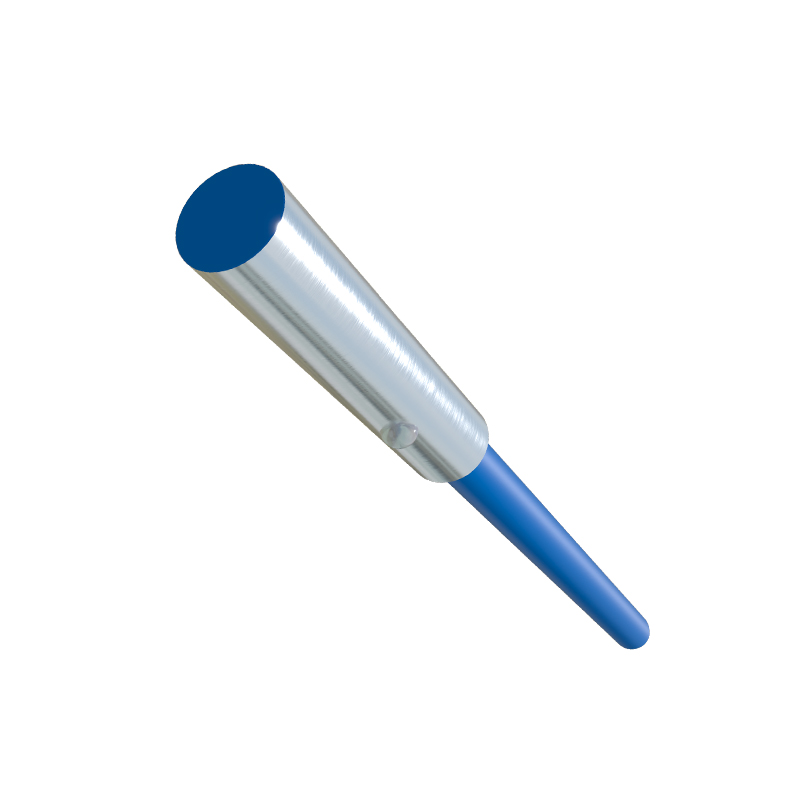
In precision manufacturing environments, such as automotive or electronics assembly, the role of proximity sensors extends to ensuring dimensional accuracy and product integrity. They are deployed for tasks like verifying the presence of a specific part before a welding operation, checking if a screw has been properly inserted, or confirming the correct orientation of a component on a fixture. In quality control stations, sensors can detect minute defects, such as a missing label or an incorrectly seated seal, by verifying the presence or specific profile of a feature. Their high repeatability and immunity to environmental factors like dust, oil, and vibration make them exceptionally reliable for these sensitive applications. This capability directly reduces scrap rates, minimizes rework, and ensures that only products meeting the highest quality standards proceed down the line.
Contributing to System Efficiency and Predictive Maintenance
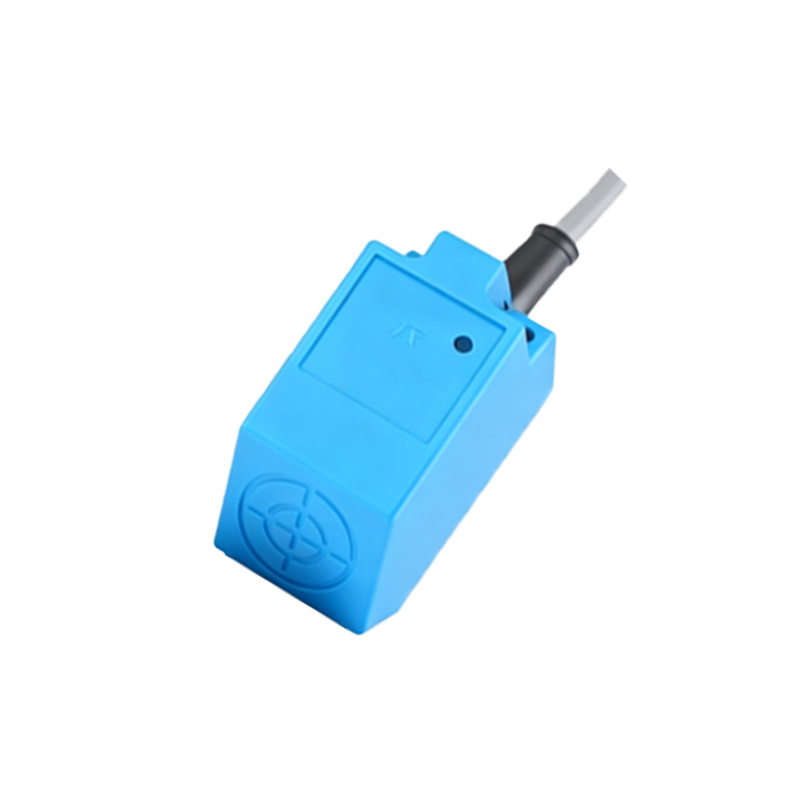
The data provided by proximity sensors is a key driver for overall equipment effectiveness (OEE). By enabling faster machine cycles through precise positioning and eliminating mechanical contact and associated wear, they reduce downtime. Furthermore, modern intelligent sensors with diagnostic capabilities, such as IO-Link communication, can monitor their own health and operational parameters. They can alert operators to potential issues like sensing range drift, contamination on the sensing face, or gradual output degradation before a complete failure occurs. This shift from reactive to predictive maintenance allows for scheduled servicing during planned stoppages, avoiding unexpected production halts. The continuous feedback loop created by these sensors provides valuable data for optimizing machine performance and streamlining production workflows.
Selection Criteria and Future Trends
Selecting the appropriate proximity sensor requires careful consideration of several factors: the material of the target object (ferrous metal, non-ferrous metal, plastic, liquid), the required sensing distance, the environmental conditions (temperature, pressure, exposure to chemicals), the required output type (PNP/NPN, analog, IO-Link), and the physical size and mounting constraints. The future of proximity sensing is leaning towards greater intelligence, miniaturization, and integration. Sensors are becoming smarter with embedded processors, capable of more complex object discrimination and condition monitoring. Wireless connectivity is emerging for easier installation in hard-to-reach areas. Additionally, the integration of sensing