Understanding the Operational Environment
Hydraulic cylinders are the workhorses of heavy industry, powering machinery in construction, manufacturing, and material handling. These systems routinely operate under extreme pressures, often exceeding 300 bar, and are subjected to intense vibration, shock, and temperature fluctuations. The internal environment of a cylinder is particularly harsh, with exposure to hydraulic fluids, metallic particles, and high-pressure surges. For any sensing component integrated into this system, durability is not a luxury but an absolute necessity. A standard proximity sensor would quickly succumb to these conditions, leading to system failure, unplanned downtime, and significant safety risks. This underscores the critical need for sensors specifically engineered to withstand such demanding operational parameters.
Core Design Principles of High-Pressure Sensors
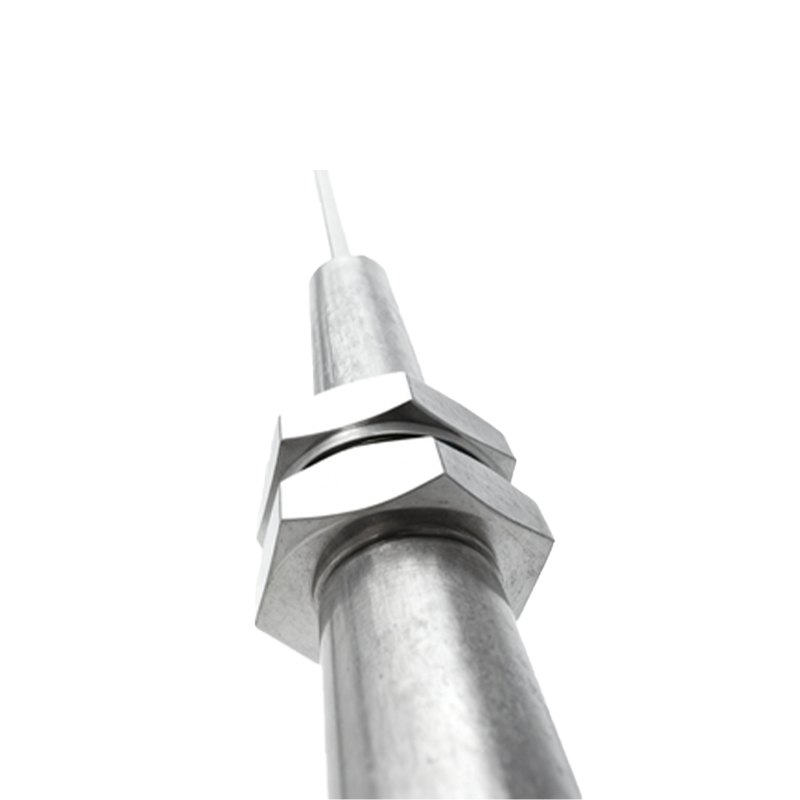
The design of a proximity sensor for high-pressure hydraulic applications revolves around three fundamental pillars: robust housing, advanced sealing, and pressure-compensated electronics. The housing is typically constructed from high-grade stainless steel, such as 316L or 17-4PH, which offers exceptional resistance to corrosion from hydraulic oils and external elements. The sensing face is often a thick, wear-resistant ceramic material that can endure direct contact with the piston or other moving parts without degradation. Internally, the electronic components are potted with specialized epoxy resins. This potting compound serves a dual purpose: it immobilizes the components against vibration and, crucially, equalizes the internal pressure with the external hydraulic pressure. This pressure compensation prevents the sensor housing from collapsing or deforming under extreme external pressure, ensuring long-term signal stability and sensor integrity.
Key Technologies and Sensing Methods
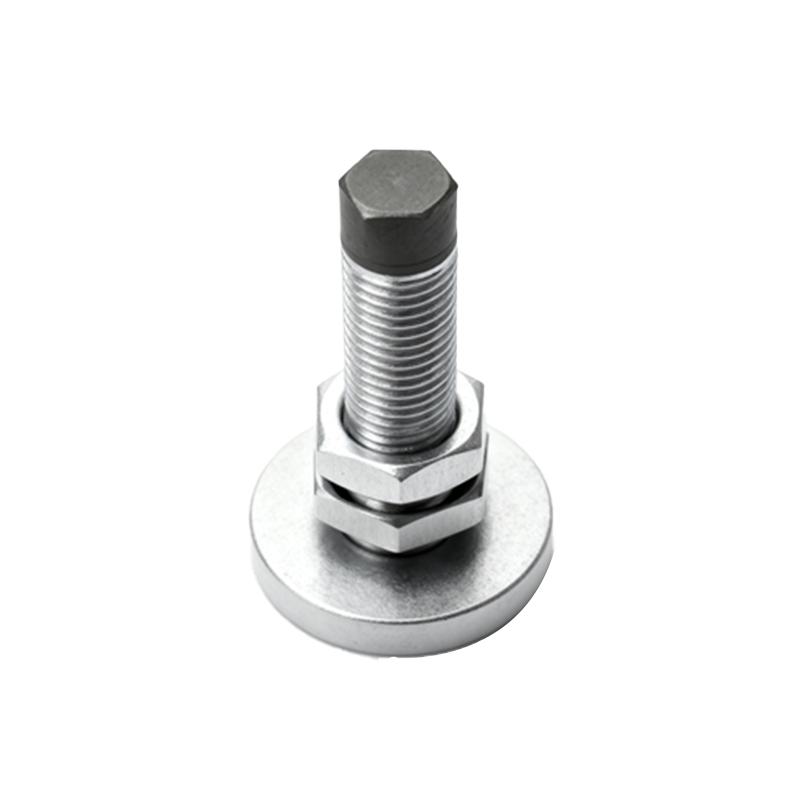
Two primary sensing technologies dominate this niche: inductive and magnetostrictive sensors. Inductive sensors are commonly used for detecting the position of the piston rod or an external target. Modern high-pressure inductive sensors utilize a fully welded, hermetically sealed housing. The oscillator and evaluation circuitry are designed to maintain a stable switching point even when the sensor is immersed in hydraulic fluid, which can affect electromagnetic fields. Magnetostrictive sensors, on the other hand, provide continuous position feedback for the piston inside the cylinder. A position magnet is mounted on the piston, and a waveguide is installed along the cylinder's length. The interaction between the magnetic field and the waveguide creates a torsional strain wave, whose travel time is measured to determine the piston's precise location. Both technologies must incorporate the aforementioned pressure-compensation techniques to function reliably at depth or under high static pressure loads.
Critical Performance Specifications
When specifying a sensor for a hydraulic cylinder, engineers must scrutinize several key parameters beyond the basic sensing distance. The pressure rating is paramount, typically defined as a maximum working pressure and a proof pressure (a test pressure higher than the working limit). Temperature range must cover both operational extremes, from cold starts to the heat generated by continuous cycling. Ingress Protection (IP) ratings of IP67, IP68, or IP69K are standard, guaranteeing resistance to dust and temporary or prolonged immersion. Electrical connection types are also critical; M12 or M18 connectors with robust, sealed cabling are industry norms. Furthermore, the sensor's output signal (e.g., PNP/NPN, analog 4-20mA, or IO-Link digital) must be compatible with the system's programmable logic controller (PLC) to enable precise control and diagnostic capabilities.
Primary Industrial Applications
The applications for these rugged sensors are vast and vital. In mobile hydraulics, such as excavators and cranes, they provide end-position detection for boom and arm cylinders, preventing over-extension and enabling complex automated movement sequences. In industrial presses and injection molding machines, they deliver precise position feedback for the main ram, ensuring repeatable force and stroke control for quality production. Within the realm of marine and offshore equipment, they monitor critical functions like rudder control and winch systems, where failure is not an option. Their reliability also makes them indispensable in test stands for hydraulic components, where they provide accurate data under controlled, high-pressure conditions for validation and quality assurance.
Guidelines for Selection and Installation
Selecting the correct sensor requires a thorough analysis of the application. First, identify the required function: simple end-position detection or continuous position feedback. Next, confirm the maximum system pressure and the compatible pressure rating of the sensor, including a safety margin. The chemical compatibility of the sensor's wetted materials with the specific hydraulic fluid used is essential to prevent seal degradation. During installation, proper mounting is crucial. The sensor must be torqued to the manufacturer's specification to ensure the seal is properly compressed without damaging the housing. Cable routing should avoid sharp