Introduction to Proximity Sensor Manufacturing
The production of proximity sensors is a sophisticated process that blends precision engineering with advanced electronics. These non-contact devices, essential for automation and control systems, are manufactured in highly controlled environments. The journey begins with meticulous design and prototyping, where factors like sensing range, target material, environmental resistance, and output type are defined. Modern manufacturing leverages Computer-Aided Design (CAD) and simulation software to optimize performance before any physical component is created. This phase is critical for ensuring the final product meets stringent industry standards for reliability and accuracy in diverse industrial settings.
Core Component Fabrication
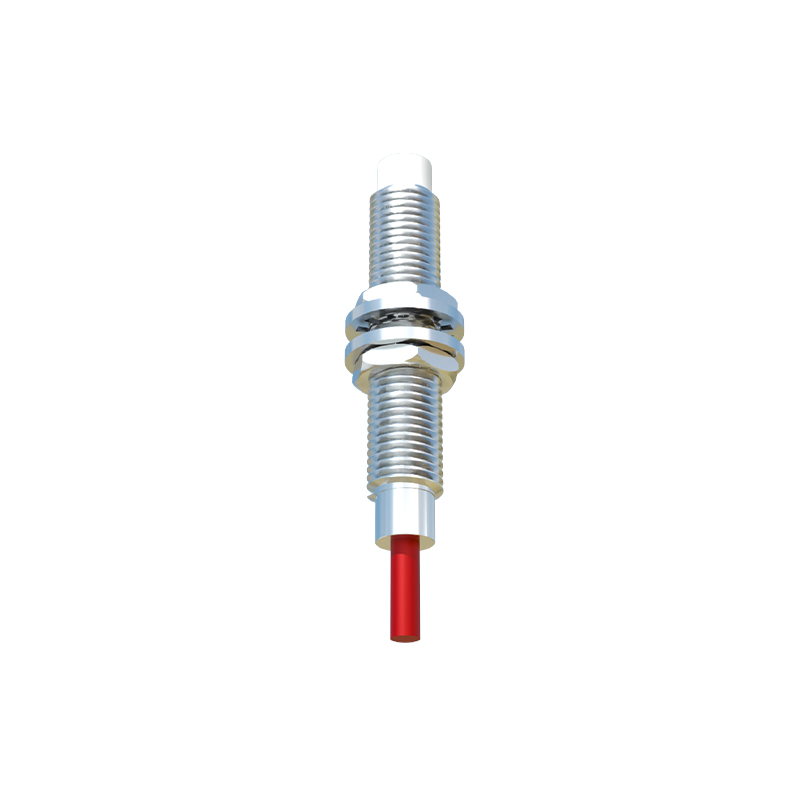
At the heart of most common proximity sensors—inductive, capacitive, and ultrasonic—lies a coil and oscillator circuit. The production of these core components demands extreme precision. For inductive sensors, coils are wound with high-grade copper wire onto ferrite cores using automated winding machines to ensure consistent inductance values. The oscillator circuit, typically built on a printed circuit board (PCB), is assembled using Surface Mount Technology (SMT). SMT lines place microscopic components at high speeds, creating a compact and robust circuit. The PCB is then coated with a protective conformal layer to shield against moisture, dust, and chemical contaminants commonly found in industrial environments.
Housing and Encapsulation Processes
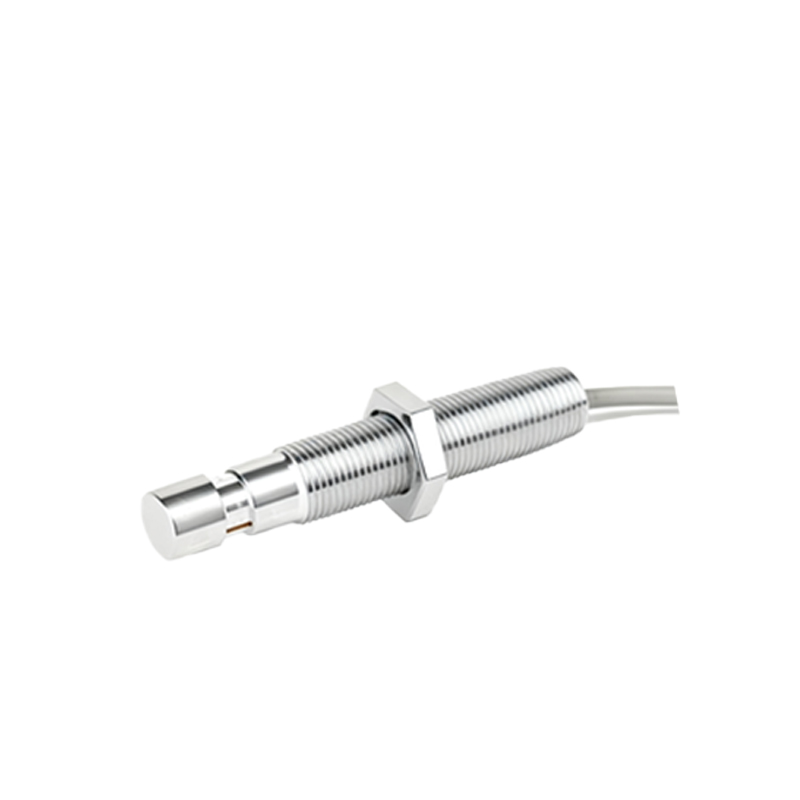
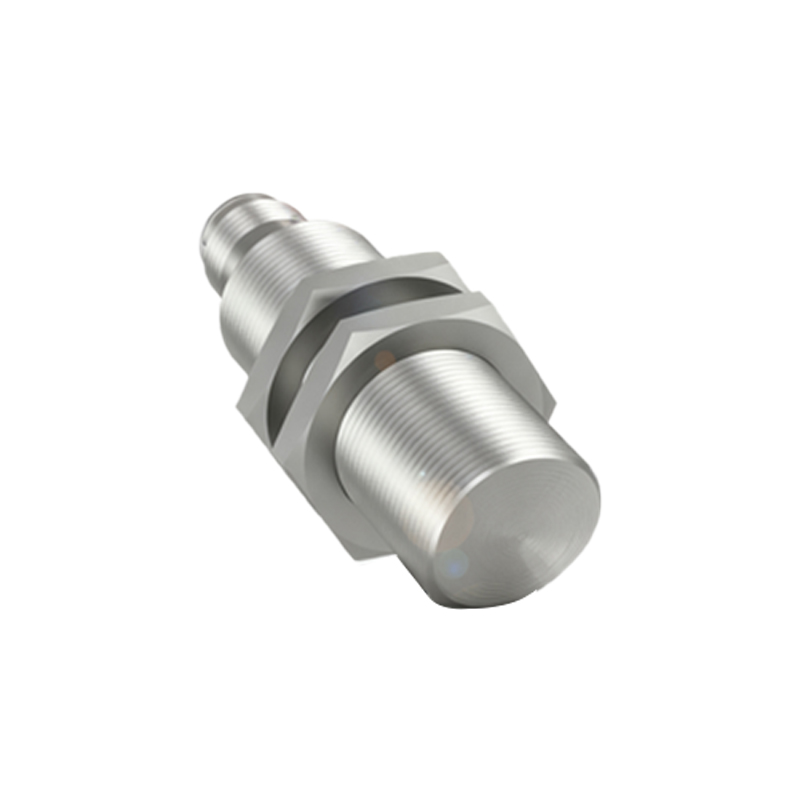
The sensor housing serves as both a protective shell and a functional part of the sensing system. Housings are typically molded from engineering plastics like PBT or metals such as stainless steel, chosen for their durability and resistance to industrial stresses. The encapsulation process is vital. After the core electronic assembly is placed inside the housing, a potting compound—often an epoxy resin—is injected. This compound completely encases the internal electronics, providing exceptional mechanical stability, vibration resistance, and protection from ingress as per IP67 or IP69K ratings. This step ensures the sensor can withstand shocks, temperature fluctuations, and prolonged exposure to harsh conditions.
Calibration and Quality Testing
No sensor leaves the production line without rigorous calibration and testing. Calibration involves setting the precise switching point and ensuring linearity in analog output sensors. This is done using automated test benches with certified reference targets. Each unit undergoes a battery of quality tests, including functional testing to verify switching accuracy, hysteresis checks, and temperature cycling tests from sub-zero to elevated temperatures. Electrical tests verify insulation resistance, dielectric strength, and output current capacity. These exhaustive procedures are mandated to guarantee that every sensor performs identically according to its datasheet specifications, ensuring interoperability and reliability in customer applications.
Final Assembly and Packaging
The final assembly stage integrates tested sensor heads with their associated components, such as pre-wired cables or quick-disconnect connectors. For some models, this includes attaching mounting hardware like brackets or nuts. Laser marking is then used to indelibly print crucial information—part number, serial number, electrical ratings, and certification marks (e.g., CE, UL)—onto the housing. Packaging is designed to prevent damage during shipping and storage. Sensors are often placed in anti-static bags within individual cartons, with larger batches packed in sturdy, clearly labeled master cartons. This attention to detail in final handling preserves the quality built into the sensor throughout the supply chain.
Industry Trends and Future Outlook
The production of proximity sensors is continuously evolving. Key trends include the miniaturization of components enabled by advanced semiconductor technology, allowing for smaller sensors with greater sensing ranges. The integration of IO-Link communication is becoming standard, transforming simple sensors into intelligent devices that provide diagnostic data and enable parameterization. Furthermore, there is a growing emphasis on using eco-friendly materials in housings and reducing energy consumption in sensor electronics. Smart factories employing Industry 4.0 principles are also adopting sensors with enhanced connectivity, driving demand for production processes that can embed wireless capabilities and sophisticated data-processing chips directly onto the sensor PCB.