Understanding the Role of Proximity Sensor Suppliers
In the intricate ecosystem of industrial automation, proximity sensor suppliers are far more than simple component vendors. They serve as critical partners in engineering and operational success. A supplier's role extends from providing the fundamental sensing device to offering comprehensive technical support, application expertise, and lifecycle management. The right supplier understands that a proximity sensor is not an isolated component but a key element within a larger control system. Their value is measured by their ability to deliver not just a product, but a reliable solution that enhances machine safety, optimizes production efficiency, and minimizes unplanned downtime. This partnership begins with a deep knowledge of sensor technologies—inductive, capacitive, ultrasonic, and photoelectric—and their precise applications in diverse and often harsh industrial environments.
Key Criteria for Selecting a Proximity Sensor Partner
Choosing a proximity sensor supplier requires a meticulous evaluation beyond basic price catalogs. First and foremost, assess the supplier's technical portfolio and product range. A reputable supplier should offer a wide selection of sensors with varying sensing distances, housing materials (like nickel-plated brass or stainless steel), output types (PNP/NPN, analog, IO-Link), and form factors to suit specific mounting constraints. Secondly, evaluate their technical support capabilities. Can their application engineers assist with complex installation scenarios, interference issues, or integration with PLCs? Thirdly, consider logistical and supply chain reliability. Consistent availability, efficient delivery, and robust inventory management are non-negotiable for maintaining continuous production. Finally, scrutinize their quality certifications (e.g., ISO 9001) and the manufacturing standards of their sourced or branded products, as these directly impact long-term reliability.
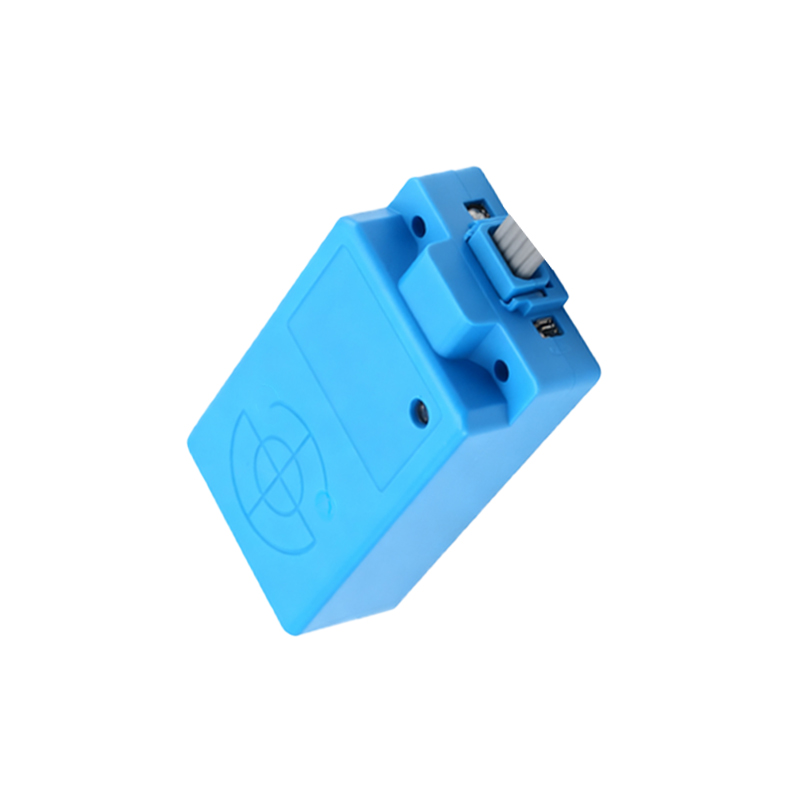
The Impact of Advanced Technology and IO-Link
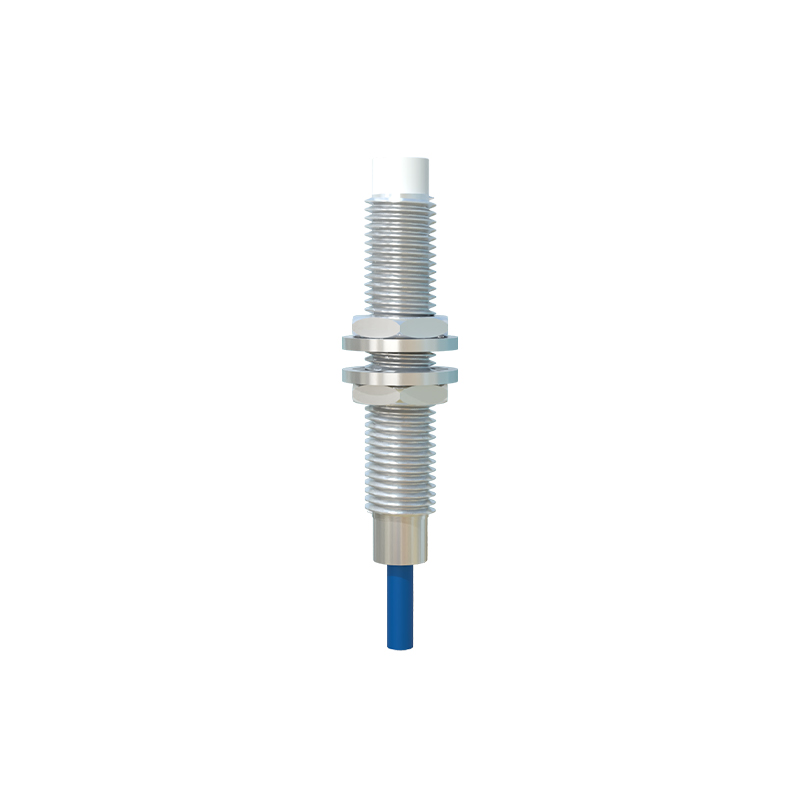
Modern proximity sensor suppliers are at the forefront of Industry 4.0 integration. The adoption of smart sensors with IO-Link communication is a significant differentiator. IO-Link transforms a standard binary sensor into an intelligent device capable of transmitting detailed parameter and process data to a higher-level control system. A forward-thinking supplier provides sensors with this functionality and the necessary expertise to implement it. This allows for predictive maintenance, as sensors can report operating temperature, signal strength, or switch cycle counts, alerting personnel to potential failures before they occur. Suppliers who champion such technologies enable data-driven decision-making, reducing costs and enhancing overall equipment effectiveness (OEE).
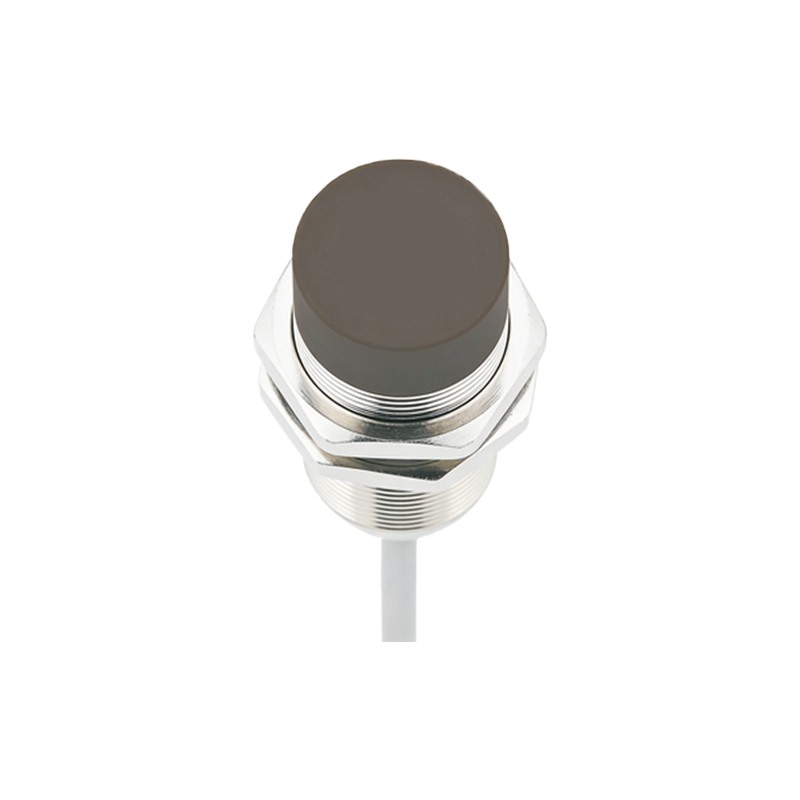
Navigating Global Supply and Customization Needs
The global nature of manufacturing demands that proximity sensor suppliers operate on an international scale while addressing local requirements. A top-tier supplier maintains a global distribution and support network, ensuring consistent service and part availability across different regions. Furthermore, they often provide essential value-added services. This includes customization options such as special cable lengths, unique connector types, or laser-marked part numbers for traceability. For high-volume OEMs, suppliers may offer dedicated engineering resources to co-develop sensor solutions tailored for a specific machine design. The ability to provide both standardized off-the-shelf products and flexible custom solutions is a hallmark of a superior supplier.
Ensuring Long-Term Support and Lifecycle Management
The relationship with a proximity sensor supplier does not end at the point of sale. Comprehensive after-sales support and lifecycle management are crucial. This encompasses clear documentation, readily available datasheets and CAD models for easy integration into machine designs, and accessible firmware updates for smart sensors. A reliable supplier also has a clear policy regarding product obsolescence, providing ample notification and migration paths to newer technologies. Their customer service team should be responsive and knowledgeable, capable of troubleshooting application issues promptly. This long-term commitment ensures that your automation investments are protected and can evolve alongside technological advancements, securing operational resilience for years to come.