Understanding Low-Temperature Proximity Sensor Fundamentals
Low-temperature proximity sensors are specialized devices engineered to detect the presence or absence of objects in environments where temperatures fall significantly below standard operating ranges, typically from -40°C down to -196°C (liquid nitrogen temperatures) and beyond. Unlike standard sensors, these units incorporate materials and designs that prevent component failure, signal drift, and physical cracking. Key technologies include inductive, capacitive, and ultrasonic sensors, each with specific advantages. Inductive sensors, for instance, are ideal for detecting metals in freezing conditions but require housings and seals resistant to thermal contraction. The core challenge is maintaining stable oscillator circuits, coil integrity, and output signal reliability when exposed to extreme thermal stress and potential condensation or icing.
Critical Technical Specifications for Quotation Requests
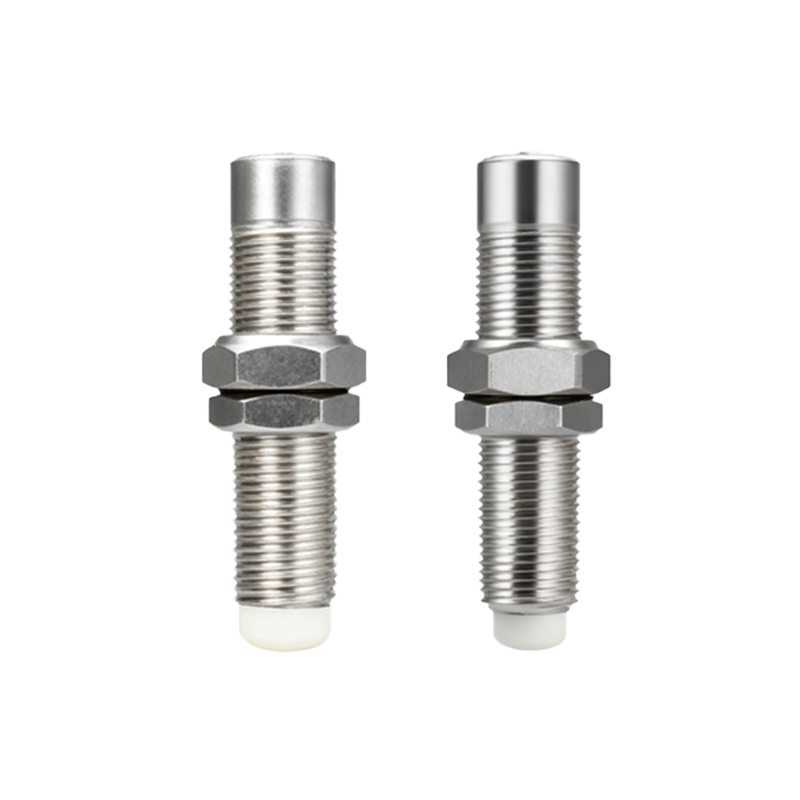
When soliciting a quotation for low-temperature proximity sensors, providing precise technical specifications is paramount to ensure accurate pricing and product suitability. Essential parameters to specify include: the required sensing range and whether it needs to remain stable across the temperature span; the target operating temperature range (e.g., -50°C to +85°C); the housing material, such as stainless steel (e.g., 316L) or PEEK plastic, which must withstand thermal cycling; the ingress protection (IP) rating, crucial for environments with condensation (e.g., IP67 or IP69K); the output type (PNP/NPN, analog, IO-Link); and the supply voltage. Additionally, details about the target object's material, size, and expected icing conditions are vital for sensor selection and pricing accuracy.
Material and Construction Considerations in Harsh Cold
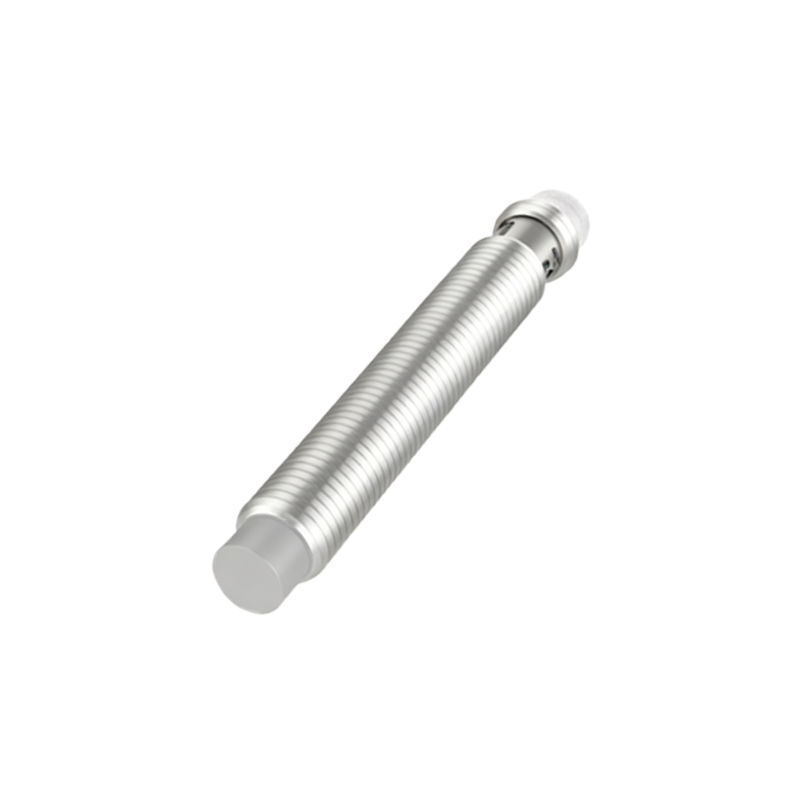
The quotation for a low-temperature sensor heavily depends on its construction materials. Standard plastics become brittle, and seals can fail. Premium quotations will include sensors with housings made from austenitic stainless steels, which retain toughness, or specialized engineering plastics like PTFE or PEEK. Cable jackets must be made of materials like silicone or Teflon that remain flexible at low temperatures. Internally, soldering compounds, potting materials, and electronic components (such as chips and capacitors) must be rated for the specified temperature range. The process of thermal cycling testing during manufacturing adds to the cost but is essential for guaranteed performance, a factor reflected in the final price.
Industry Applications Driving Specific Requirements
The application context directly influences the sensor's design and, consequently, the consultation and quotation process. In the food and beverage industry, for blast freezing tunnels at -40°C, sensors require hygienic (EHEDG/3-A) stainless-steel designs resistant to frequent washdowns. For cryogenic storage or LNG handling, sensors operating near -160°C need specialized seals and possibly vacuum-insulated housings. In outdoor arctic logistics or cold storage automation, sensors must function reliably despite ice buildup on the sensing face. Aerospace applications involve even more extreme temperatures and rigorous certification standards. Clearly communicating the application during consultation allows suppliers to recommend the most cost-effective and robust solution.
The Quotation Process: From Consultation to Final Offer
A comprehensive quotation process for low-temperature proximity sensors typically involves several stages. Initial consultation should clarify all technical and environmental requirements. Reputable suppliers will then perform an application review, potentially suggesting alternative technologies or form factors. The quotation document should itemize costs for the sensor unit, any optional accessories (special cables, mounting brackets, heaters to prevent icing), minimum order quantities (MOQs), lead times, and warranty terms specific to low-temperature operation. It is also prudent to request details on pre-shipment testing protocols, such as cold chamber certification data, to validate performance claims before purchase.
Cost Factors and Value Analysis
The unit price for a low-temperature proximity sensor is invariably higher than its standard counterpart. Key cost drivers include the use of military or automotive-grade temperature-rated electronic components, specialized metals and plastics, extended R&D and testing cycles, and often lower production volumes. When evaluating a quotation, consider the total cost of ownership. A higher initial investment in a reliably rated sensor prevents costly production downtime, safety incidents, or frequent replacements in hard-to-access cold environments. Value-added features like IO-Link connectivity for predictive maintenance diagnostics can offer long-term savings, justifying a premium in the quotation.
Selecting a Supplier for Long-Term Partnership
Beyond comparing line items on a quotation, selecting the right supplier is critical. During consultation, assess their expertise through case studies or application notes for similar low-temperature challenges. Inquire about their in-house testing capabilities with environmental chambers. A reliable partner will provide clear data on mean time between failures (MTBF) at low temperatures and offer robust technical support. Their quotation should