Introduction to Magnetic Proximity Sensors
Magnetic proximity sensors are non-contact devices that detect the presence or absence of a magnetic field, typically generated by a permanent magnet or an electromagnet. They operate based on the principle of sensing changes in magnetic flux density. When a magnetic target, such as a magnet attached to a moving part, enters the sensor's detection range, it triggers a change in the sensor's internal state, resulting in an electrical signal output. These sensors are renowned for their robustness, reliability, and ability to function in harsh environments where dirt, dust, oil, or moisture might render optical or capacitive sensors ineffective. Common output types include digital (PNP/NPN) and analog signals, making them versatile for various control and monitoring tasks in automation and machinery.
Reed Switch-Based Sensors
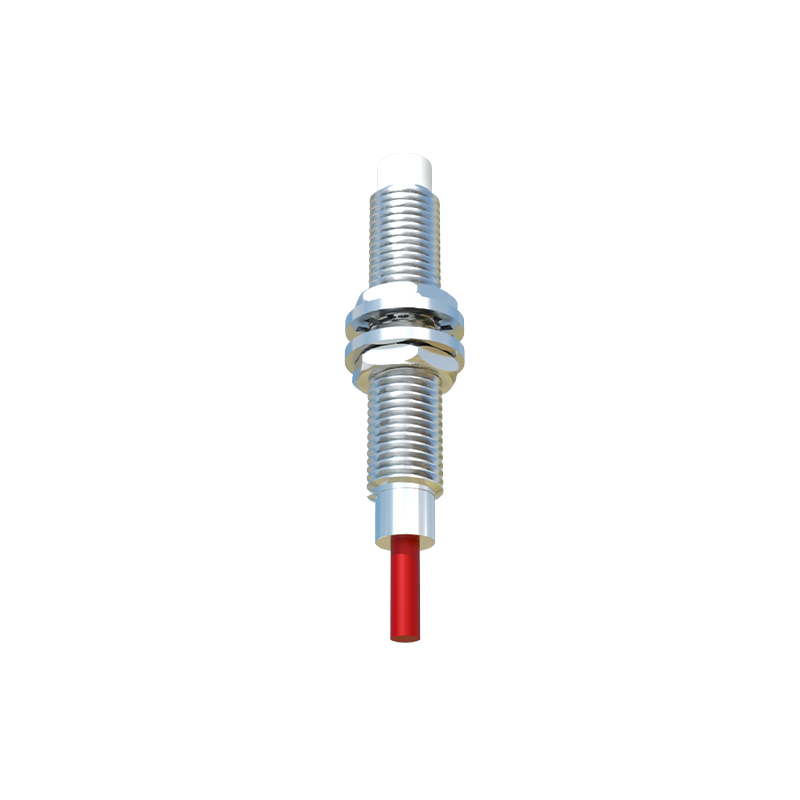
Reed switch sensors represent one of the earliest and simplest types of magnetic proximity sensors. The core component is a reed switch—a pair of ferromagnetic, flexible metal reeds sealed within a glass tube filled with an inert gas. When an external magnetic field of sufficient strength is applied, the reeds magnetize, attract each other, and make contact, closing the electrical circuit. When the magnetic field is removed, the reeds' spring force separates them, opening the circuit. These sensors are characterized by their low cost, low power consumption, and ability to switch both low-voltage and relatively high-voltage loads directly. However, they have limitations in switching speed, mechanical life (due to contact wear), and susceptibility to shock and vibration. They are commonly used in applications like door/window security systems, liquid level sensing, and simple position detection.
Hall Effect Sensors
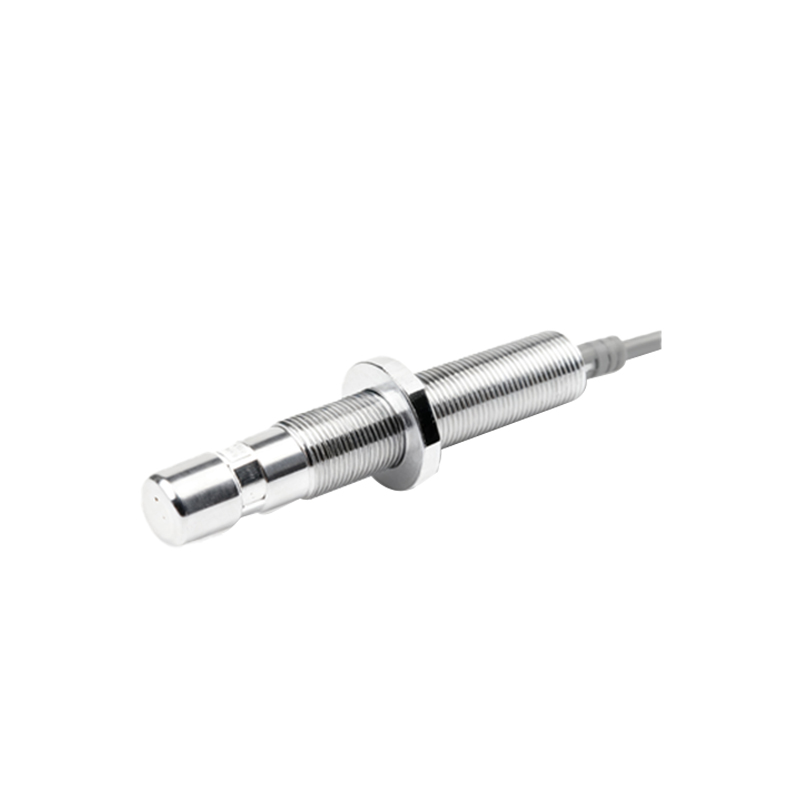
Hall Effect sensors utilize the Hall Effect principle, where a voltage difference (the Hall voltage) is generated across an electrical conductor when a magnetic field is applied perpendicular to the current flow. Integrated circuit (IC) Hall Effect sensors amplify this tiny voltage to produce a clean, digital or analog output signal. They are solid-state devices with no moving parts, offering exceptional reliability, long operational life, and high switching frequencies (up to several hundred kHz). Digital Hall sensors (like unipolar, bipolar, and omnipolar types) provide a simple on/off signal, while analog Hall sensors output a voltage proportional to the magnetic field strength, enabling precise position or distance measurement. They are widely employed in brushless DC motor commutation, speed sensing (e.g., in automotive crankshaft/camshaft position sensing), and current sensing applications.
Magneto-Resistive (MR) Sensors
Magneto-resistive sensors exploit the magneto-resistive effect, where the electrical resistance of a ferromagnetic material changes in the presence of a magnetic field. Two primary types are Anisotropic Magneto-Resistive (AMR) and Giant Magneto-Resistive (GMR) sensors. They are highly sensitive and can detect both the strength and direction of a magnetic field, providing excellent accuracy and resolution. MR sensors typically offer a ratiometric analog output or a digital pulse output. Their key advantages include high sensitivity at low magnetic field strengths, wide temperature range operation, and robustness against air gap variations. These features make them ideal for demanding applications requiring precise angular or linear position sensing, such as in automotive steering angle sensors, high-resolution rotary encoders, and electronic compasses.
Inductive Proximity Sensors with Magnetic Activation
While standard inductive sensors detect metallic objects, a specific variant is designed to be activated only by magnetic fields, typically from permanent magnets. These sensors contain a coil and oscillator circuit. The presence of a magnetic field from an approaching magnet induces eddy currents or affects the magnetic core's properties, causing a change in the oscillation amplitude, which is detected and converted into a switching output. They combine the environmental ruggedness of inductive sensors (resistant to contaminants) with the selective triggering of a magnetic target. This allows for precise detection in applications where only a specific magnet-equipped part should be sensed, ignoring other non-magnetic metals. They are often used in hydraulic cylinder position feedback, automated guided vehicles (AGVs) for docking, and machine tool positioning.
Selection Criteria and Application Considerations
Choosing the right magnetic proximity sensor type depends on several critical application parameters. Key factors include sensing distance (operating point and release point), the type and strength of the magnet used as a target, required output type (digital switch, analog, or current loop), switching frequency and response time, environmental conditions (temperature, humidity, IP rating, exposure to chemicals or washdowns), power supply voltage, and mounting constraints. For instance, Reed switches suit low-speed, cost-sensitive applications, while Hall Effect sensors are preferred for