Introduction to High Temperature Proximity Switch Sensors
High temperature proximity switch sensors, particularly the 3-wire configuration, are critical components in industrial automation and process control systems. These sensors are designed to detect the presence or absence of objects in harsh environments where elevated temperatures are a constant challenge. Unlike standard proximity sensors, high-temperature variants are engineered with specialized materials and construction techniques to withstand thermal stress, ensuring reliable operation in applications such as metal processing, foundries, glass manufacturing, and automotive production lines. The 3-wire design, which includes power, ground, and signal wires, offers a balanced approach to connectivity, providing stable performance while simplifying installation and maintenance. This article delves into the technical aspects, operational principles, and best practices for utilizing these robust sensors in demanding industrial settings.
Operational Principles and Design Features
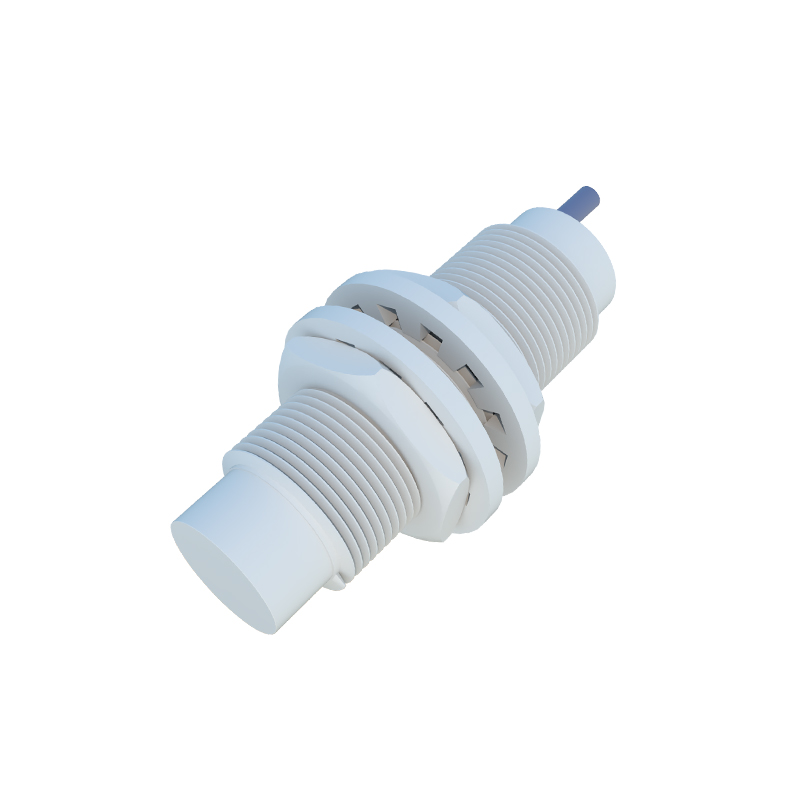
The core functionality of a high temperature proximity switch sensor relies on electromagnetic or capacitive sensing technology, adapted for thermal resilience. In inductive models, an oscillator generates a high-frequency electromagnetic field; when a metallic object enters this field, eddy currents are induced, causing a change in oscillation amplitude that triggers the switch. Capacitive versions detect changes in capacitance when any material, conductive or non-conductive, approaches the sensing face. To endure temperatures often exceeding 100°C and reaching up to 200°C or more, these sensors incorporate heat-resistant components such as ceramic sensing faces, high-temperature epoxy encapsulants, and PTFE or PEEK housing materials. The 3-wire configuration typically includes two wires for DC power supply (usually 10-30V DC) and one wire for output signal (either NPN or PNP transistor-based), allowing for direct interfacing with PLCs and control systems without additional relays in many cases. This design minimizes wiring complexity and enhances signal integrity, even in electrically noisy environments.
Key Advantages of the 3-Wire Configuration
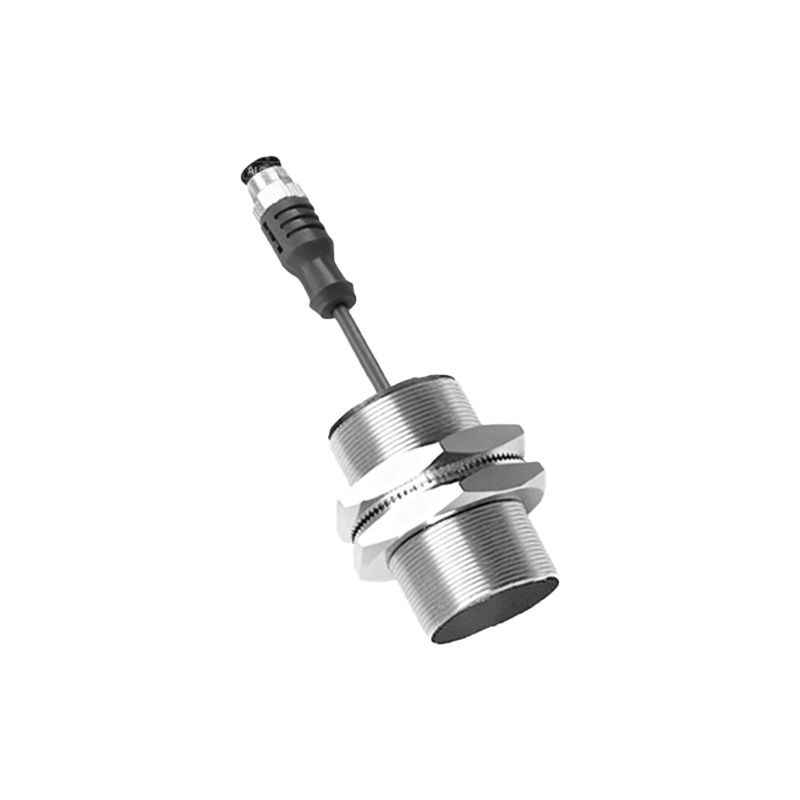
The 3-wire setup offers distinct benefits over 2-wire or 4-wire alternatives in high-temperature applications. Firstly, it provides separate paths for power and signal, reducing interference and improving accuracy in object detection. This isolation is crucial in high-temperature zones where electrical noise from machinery and thermal expansion can affect sensor performance. Secondly, 3-wire sensors support both sinking (NPN) and sourcing (PNP) output types, offering flexibility in integration with various control systems. For instance, NPN outputs are common in European and Asian equipment, while PNP is prevalent in North America. Additionally, the dedicated signal wire enables faster response times and lower leakage currents compared to 2-wire models, which is vital for high-speed production lines. The robust construction of high-temperature 3-wire sensors also includes features like thermal shielding and vibration resistance, ensuring longevity in environments where thermal cycling and mechanical stress are prevalent.
Installation and Maintenance Best Practices
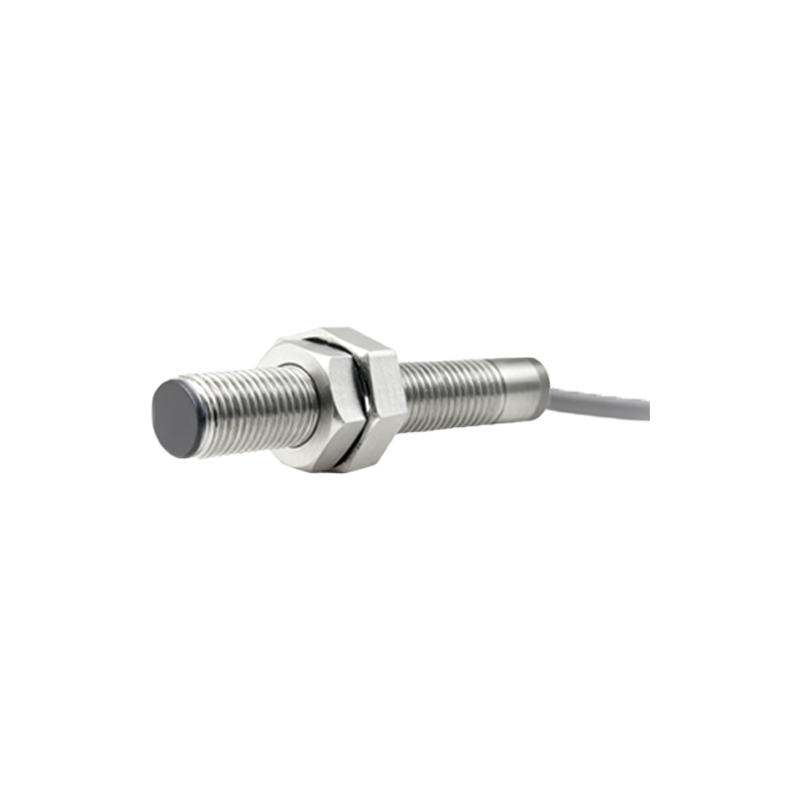
Proper installation is paramount to maximizing the performance and lifespan of high temperature proximity switch sensors. When mounting, ensure adequate clearance from heat sources and avoid direct contact with hot surfaces; using brackets or heat sinks can mitigate thermal transfer. The sensing distance should be calibrated considering thermal expansion of both the sensor and target object, as high temperatures can alter detection ranges. For wiring, employ high-temperature-rated cables (e.g., silicone or fiberglass insulated) and secure connections to prevent loosening due to thermal cycling. Regular maintenance involves periodic inspection for physical damage, accumulation of debris on the sensing face, and verification of output signals using multimeters or oscilloscopes. In extreme conditions, consider implementing cooling systems or thermal barriers to keep sensor temperatures within specified limits, as prolonged exposure beyond ratings can degrade internal electronics and lead to premature failure.
Common Applications and Industry Use Cases
High temperature 3-wire proximity sensors find extensive use across industries where heat is an inherent part of operations. In metal casting and forging, they monitor molten metal levels, detect billet positions in furnaces, and control robotic arms handling hot components. Glass manufacturing relies on these sensors for bottle formation lines and tempering ovens, where temperatures can soar above 500°C in proximity. Automotive plants utilize them in welding stations and paint-drying tunnels to ensure precise part alignment. Additionally, they are integral to food processing in sterilization units and packaging machinery subjected to steam cleaning. The versatility of 3-wire sensors allows for customization with extended sensing ranges or specialized housings, such as stainless steel or ceramic bodies, to suit aggressive chemical or abrasive environments often accompanying high heat.
Future Trends and Technological Advancements
The evolution of high temperature proximity switch sensors continues to address emerging industrial demands. Recent advancements include the integration of IoT capabilities, enabling real-time