Introduction to Adjustable Sensing Distance
Proximity switches are essential components in industrial automation, providing non-contact detection of objects. A key feature that enhances their versatility is adjustable sensing distance. This capability allows engineers to fine-tune the sensor's detection range to match specific application requirements, optimizing performance and reliability. Adjustable sensing distance is particularly valuable in dynamic environments where object sizes, materials, or positioning may vary. By enabling precise calibration, this feature reduces false triggers and improves system efficiency. Understanding how to leverage adjustable sensing distance can lead to more robust and adaptable automation solutions.
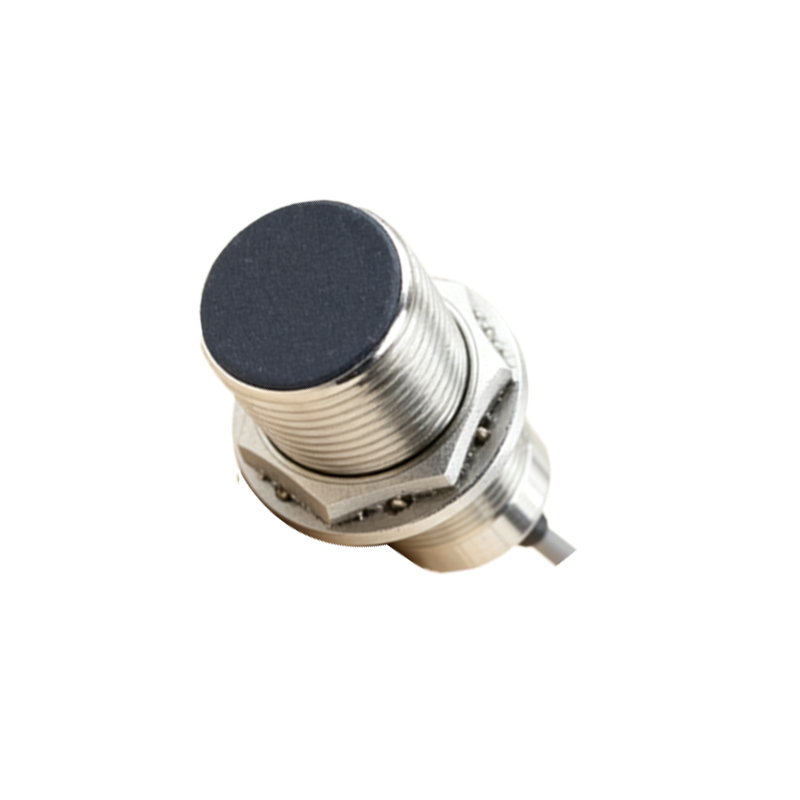
How Adjustable Sensing Distance Works
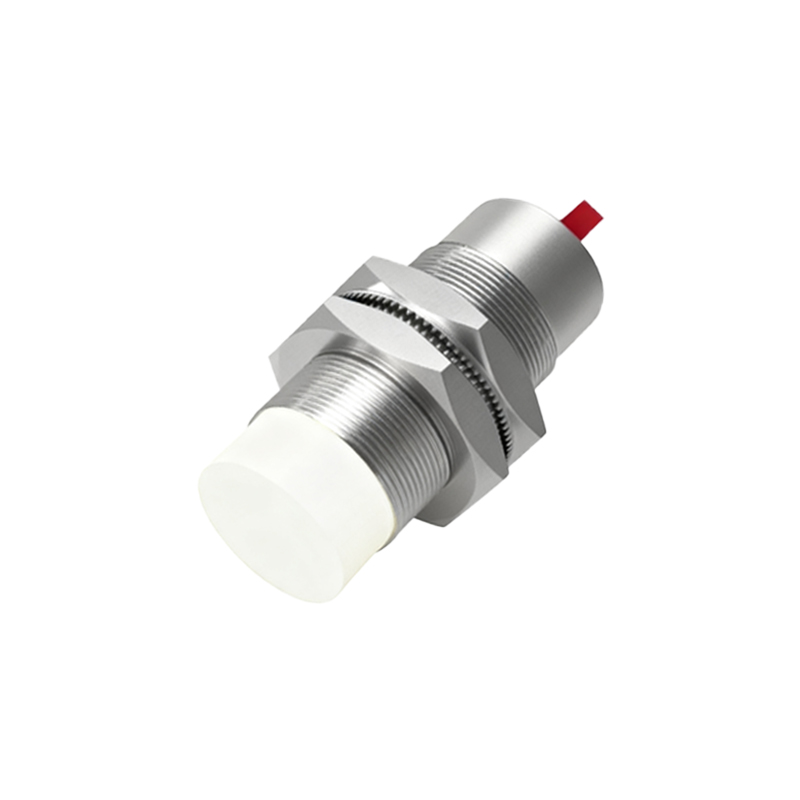
The adjustable sensing distance in proximity switches is typically achieved through internal potentiometers or digital interfaces. For inductive and capacitive sensors, the sensing range depends on factors like coil design, oscillator frequency, and detection circuitry. By adjusting a potentiometer or using software settings, users can modify the threshold at which the sensor triggers, effectively changing the effective sensing distance. This adjustment compensates for environmental variables such as temperature fluctuations or electromagnetic interference. It's important to note that the maximum sensing distance is limited by the sensor's design and material properties, but within that range, fine-tuning is possible for optimal operation.
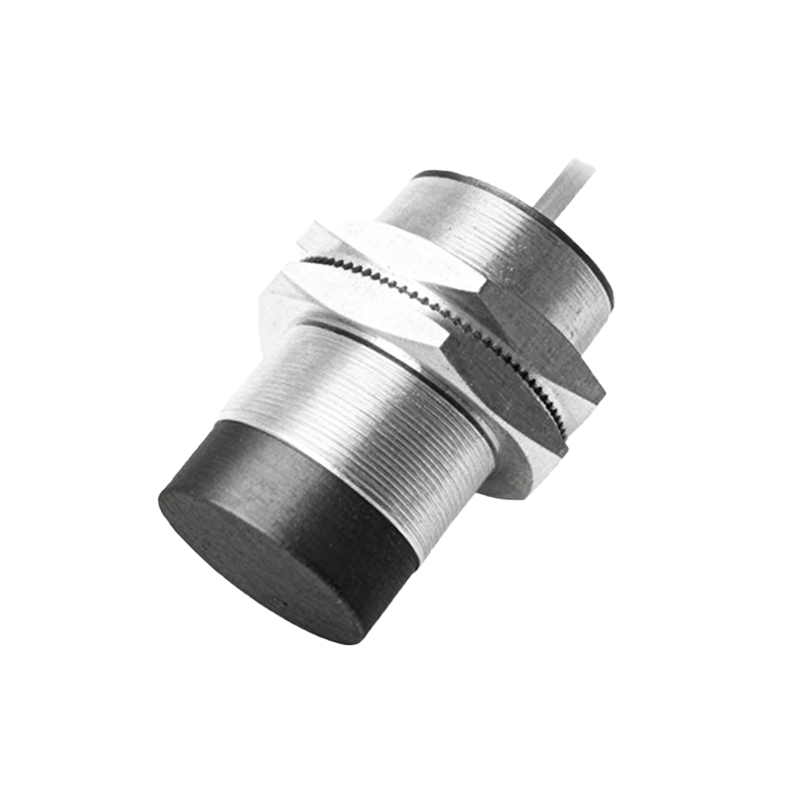
Benefits of Adjustable Sensing Distance in Applications
Adjustable sensing distance offers significant advantages across various industries. In manufacturing, it allows for flexible production lines where different-sized parts are detected without sensor replacement. In packaging, sensors can be calibrated to ignore background objects, reducing errors. This feature also enhances safety by ensuring reliable detection in hazardous areas. By minimizing adjustment time and maintenance costs, adjustable sensors contribute to higher productivity and lower total cost of ownership. Additionally, they support energy efficiency by operating only within necessary ranges, reducing wear and extending sensor lifespan.
Factors Influencing Sensing Distance Adjustment
Several factors must be considered when adjusting the sensing distance of proximity switches. Object material plays a crucial role; for instance, inductive sensors detect metals with varying efficiency based on conductivity. Environmental conditions like humidity, dust, or vibration can affect performance, requiring periodic recalibration. Sensor mounting and alignment also impact the effective range, as improper installation may lead to inconsistent readings. Engineers should refer to manufacturer specifications to ensure adjustments stay within safe operational limits. Regular testing under real-world conditions is recommended to verify sensor accuracy after any changes.
Best Practices for Calibration and Maintenance
To maximize the benefits of adjustable sensing distance, follow best practices for calibration and maintenance. Start by setting the sensor to its minimum range and gradually increase it while testing with target objects. Use standardized tools or software provided by manufacturers for precise adjustments. Document calibration settings for future reference and consistency. Implement routine checks to detect drift or degradation, especially in harsh environments. Clean sensor surfaces regularly to prevent contamination that could alter sensing characteristics. Training personnel on proper adjustment techniques ensures long-term reliability and reduces downtime due to sensor failures.
Future Trends in Adjustable Proximity Sensors
The future of adjustable proximity switches is evolving with advancements in smart technology. Integration with IoT systems enables remote monitoring and automatic adjustment based on real-time data. Machine learning algorithms can predict optimal sensing distances for changing conditions, enhancing autonomy. Miniaturization and improved materials may extend adjustable ranges while maintaining accuracy. As industries adopt more flexible automation, demand for sensors with easy-to-adjust features will grow, driving innovation in user interfaces and compatibility with digital networks. Staying informed about these trends helps engineers prepare for next-generation solutions.