Introduction to the KESBA71 Series
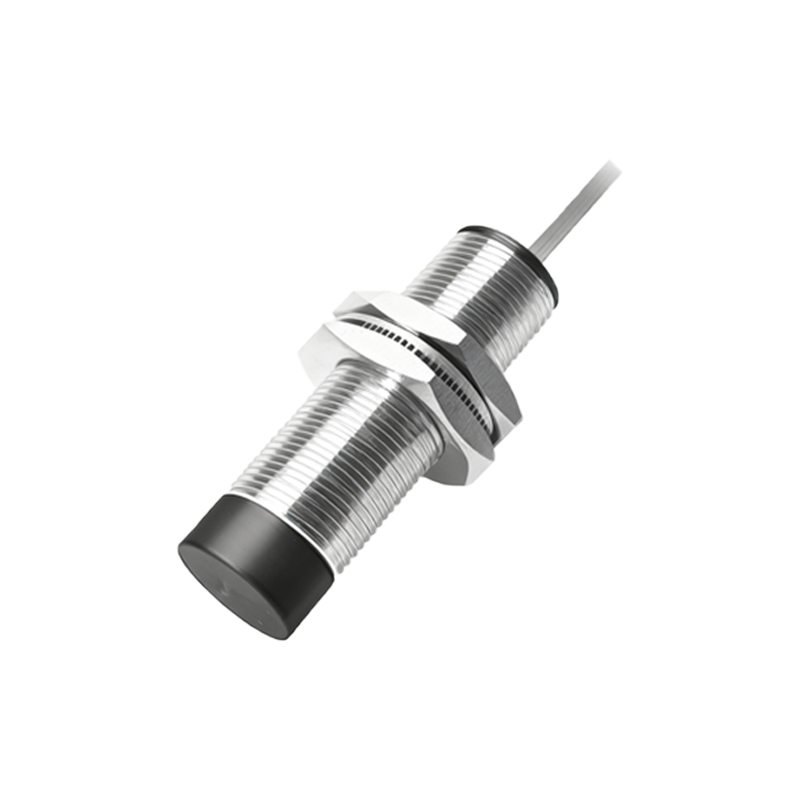
The KACON KESBA71 series represents a robust line of photoelectric proximity sensors engineered for demanding industrial environments. These sensors utilize advanced optical technology to detect objects without physical contact, offering high reliability and precision. The KESBA71 models are particularly noted for their compact design, versatile sensing modes, and resilience against environmental interference such as dust, ambient light, and moisture. They are a preferred solution in packaging, material handling, assembly line automation, and logistics systems where non-contact detection is critical for operational efficiency and safety.
Core Technical Specifications and Operating Principles
Operating primarily on the diffuse reflective principle, the KESBA71 emits a modulated infrared or red light beam from its integrated emitter. When this beam strikes a target object within its specified sensing range, a portion of the light is reflected back to the sensor's receiver. The built-in circuitry then processes this signal to trigger an output. Key specifications typically include a sensing distance that varies by model (commonly up to several hundred millimeters), a fast response time measured in milliseconds, and a choice of output configurations such as NPN or PNP transistor outputs. The sensors are designed with a fixed or adjustable sensitivity potentiometer, allowing fine-tuning for different surface colors and reflectivities.
Environmental Durability and Protection Ratings
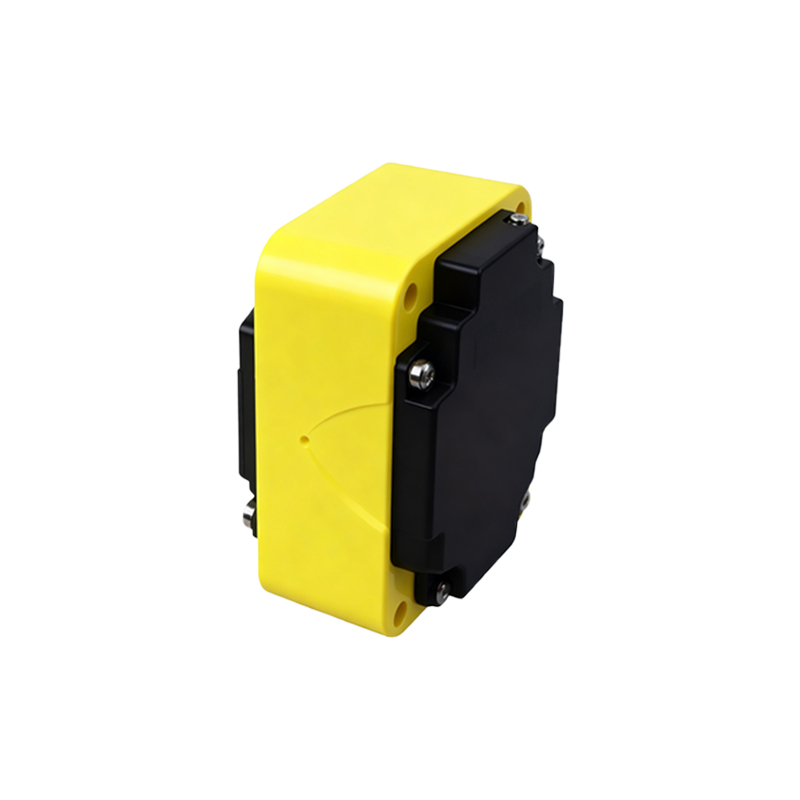
A standout feature of the KACON KESBA71 is its construction for industrial durability. The housing is typically made from high-grade plastics or metals, providing excellent resistance to impacts and vibrations. Most variants in this series boast an IP67 protection rating, signifying complete protection against dust ingress and the ability to withstand temporary immersion in water. This makes them suitable for washdown applications in food and beverage processing or outdoor use. The electronic components are shielded against electrical noise commonly found in factories, ensuring stable performance near motors, inverters, and welding equipment.
Installation, Wiring, and Configuration Guidelines
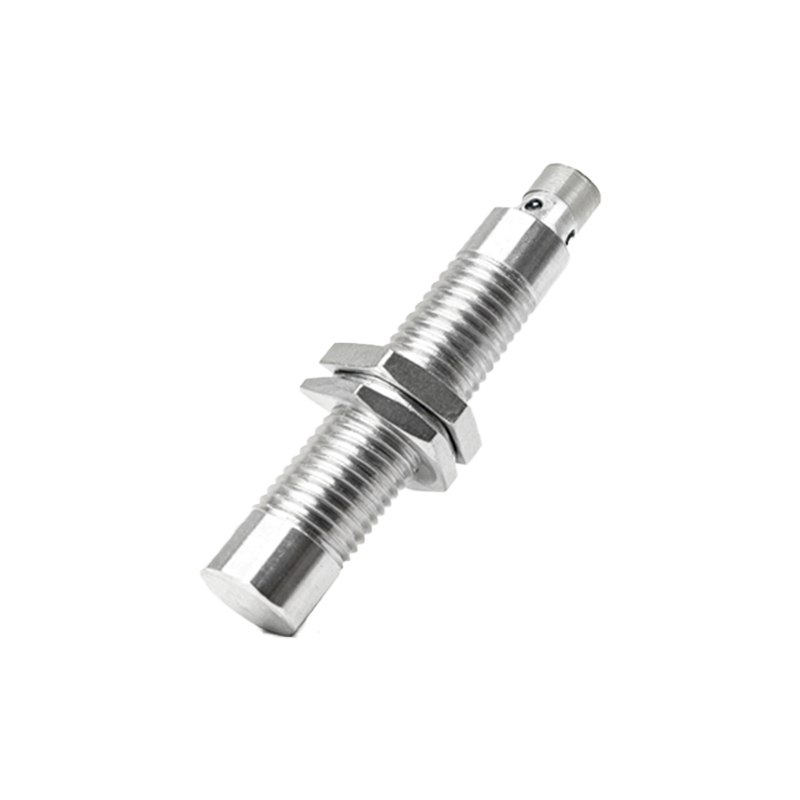
Installation of the KESBA71 sensor is straightforward due to its standardized form factor, often featuring pre-drilled holes or mounting brackets for easy integration. Wiring follows a standard three-wire or four-wire scheme: brown wire for DC positive supply, blue wire for DC negative/common, and black (or another color) wire for the switched output. A stable DC power supply within the specified voltage range (commonly 10-30V DC) is essential. The configuration involves aligning the sensor lens correctly with the target path and using the sensitivity adjustment screw to set the optimal detection threshold, avoiding false triggers from background objects.
Application Scenarios in Modern Automation
The versatility of the KESBA71 photoelectric sensor finds application across numerous sectors. In conveyor systems, it detects the presence or absence of packages, triggering counters or diverters. In automated assembly, it verifies component placement or counts small parts. Within automated storage and retrieval systems (AS/RS), it provides precise positioning feedback for shuttles and lifts. Its ability to detect transparent objects, like glass or plastic bottles, makes it invaluable in bottling and packaging lines. Furthermore, it serves as a safety interlock to ensure machine guards are in place or to halt machinery when an operator enters a hazardous zone.
Advantages Over Alternative Sensing Technologies
Compared to inductive or capacitive proximity sensors, the KESBA71 photoelectric sensor offers distinct advantages. It can detect a much wider variety of materials, including non-metallic objects like wood, paper, plastic, and glass, which are invisible to standard inductive sensors. Its longer sensing range outperforms both inductive and capacitive types. While ultrasonic sensors also offer long-range detection, photoelectric sensors like the KESBA71 generally provide faster response times and are less affected by temperature variations or air turbulence, making them more suitable for high-speed applications.
Troubleshooting Common Operational Issues
Even with high reliability, users may encounter issues. Common problems include failure to detect, intermittent operation, or constant output activation. Troubleshooting should begin by verifying the power supply voltage and polarity. Next, check the alignment and cleanliness of the lens, as accumulated dirt can severely attenuate the light beam. The sensing distance should be re-evaluated, ensuring the target is within range and that its color or reflectivity hasn't changed, necessitating a sensitivity readjustment. Finally, inspect the wiring for loose connections or damage, and ensure the load connected to the output does not exceed its current rating.
Conclusion and Selection Considerations
The KACON KESBA71 photoelectric proximity sensor is a proven, reliable component for modern industrial sensing tasks. When selecting a sensor for a specific application, engineers must consider the