Introduction to Inductive Proximity Sensors
Inductive proximity sensors are pivotal components in modern industrial automation, widely utilized for non-contact detection of metallic objects. In Sanshui District, a hub for manufacturing and technology in China, these sensors play a critical role in enhancing efficiency and precision across various sectors, including automotive, electronics, and machinery. By generating an electromagnetic field, inductive sensors detect the presence of ferrous and non-ferrous metals without physical contact, ensuring durability and reducing maintenance needs. Their robustness in harsh environments—such as those with dust, moisture, or temperature fluctuations—makes them indispensable in Sanshui's industrial landscape, where reliability is paramount for continuous production lines.
Core Working Principles
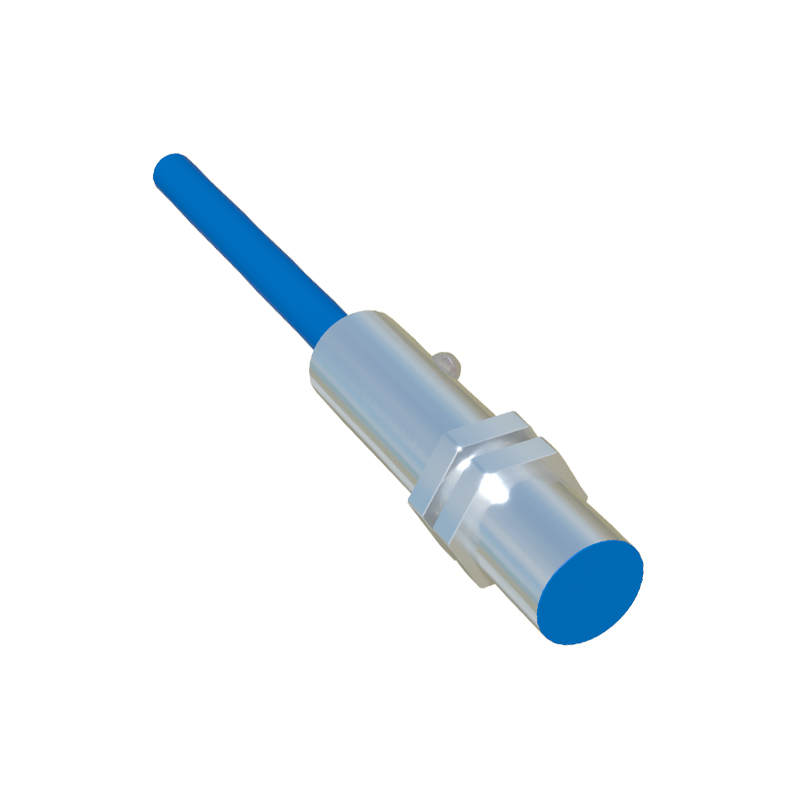
The operation of inductive proximity sensors relies on electromagnetic induction. A coil within the sensor is energized by an oscillator, creating an alternating magnetic field. When a metallic object enters this field, eddy currents are induced on the object's surface, causing a change in the oscillation amplitude. This alteration is detected by a threshold circuit, which triggers an output signal—typically a switch or digital signal—to indicate the object's presence. Key parameters influencing performance include sensing range, which varies based on the metal type and sensor size, and response frequency, crucial for high-speed applications. In Sanshui's factories, engineers often calibrate these sensors to optimize detection accuracy, ensuring seamless integration with programmable logic controllers (PLCs) and automation systems.
Applications in Sanshui's Industrial Sector
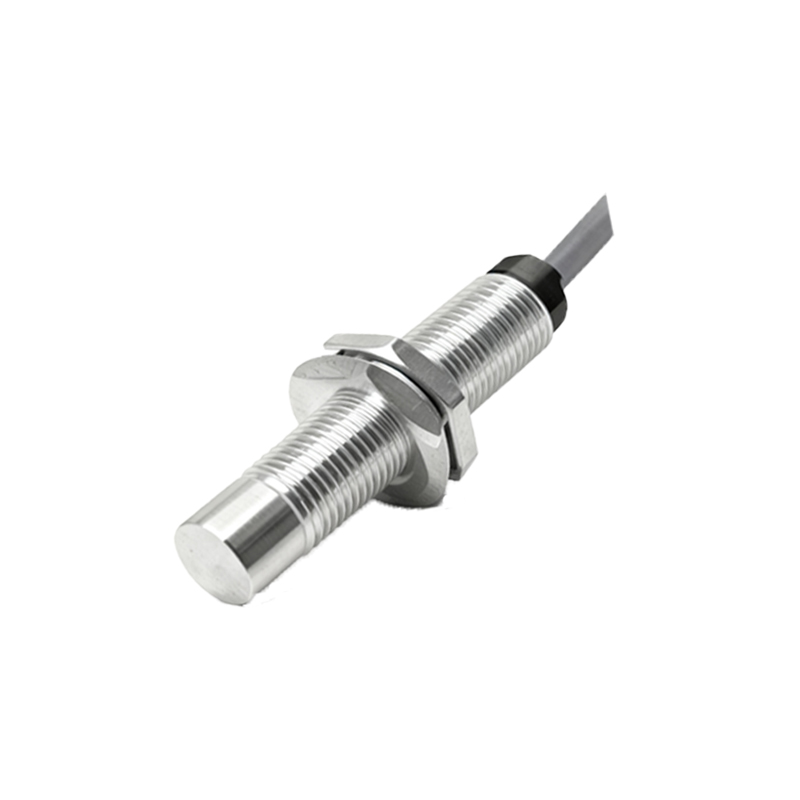
In Sanshui District, inductive proximity sensors are deployed across diverse applications to streamline operations. In automotive manufacturing, they monitor assembly lines by detecting components like engine parts or chassis elements, enabling precise positioning and quality control. The electronics industry uses these sensors for PCB inspection and component counting, where minimal error tolerance is essential. Additionally, in packaging and material handling, sensors facilitate object detection on conveyor belts, preventing jams and enhancing throughput. Local companies in Sanshui leverage these sensors to comply with Industry 4.0 standards, integrating them with IoT platforms for real-time data analytics and predictive maintenance, thereby reducing downtime and boosting productivity.
Technical Advantages and Selection Criteria
Inductive proximity sensors offer numerous benefits, including high reliability, long operational life, and resistance to environmental factors. Their solid-state design eliminates moving parts, minimizing wear and tear. When selecting sensors for Sanshui-based projects, engineers consider factors like sensing distance, which ranges from a few millimeters to several centimeters, and housing material—often stainless steel or nickel-plated brass—to withstand corrosive conditions. Output types, such as NPN or PNP configurations, are chosen based on compatibility with control systems. Furthermore, certifications like IP67 or IP68 ensure protection against dust and water ingress, vital for Sanshui's humid climate and industrial settings. Customization options, including embedded or cylindrical designs, allow for tailored solutions in complex machinery.
Innovations and Future Trends
The evolution of inductive proximity sensors in Sanshui District aligns with global technological advancements. Recent innovations include miniaturization for compact spaces and enhanced sensitivity for detecting smaller metallic objects. Smart sensors with integrated diagnostics and communication protocols, such as IO-Link, are gaining traction, enabling remote monitoring and configuration. In Sanshui's push toward sustainable manufacturing, energy-efficient sensors that reduce power consumption are becoming standard. Future trends may involve AI-driven predictive analytics and hybrid sensors combining inductive with capacitive or optical technologies for multi-material detection. Collaboration between local universities and tech firms in Sanshui fosters R&D, positioning the district as a leader in sensor innovation for smart factories.
Maintenance and Best Practices
To ensure optimal performance, regular maintenance of inductive proximity sensors is essential. In Sanshui's industrial environments, common issues include buildup of metallic debris or misalignment due to vibration. Best practices involve periodic cleaning with non-abrasive materials and verifying alignment using calibration tools. Engineers recommend checking wiring connections and output signals to prevent false triggers. Implementing redundancy with multiple sensors can enhance system reliability. Training programs in Sanshui focus on upskilling technicians in sensor troubleshooting and integration, supported by local suppliers offering technical support and spare parts. Adhering to manufacturer guidelines and environmental specifications prolongs sensor lifespan, reducing operational costs.
Conclusion and Local Impact
Inductive proximity sensors are integral to Sanshui District's industrial growth, driving automation and efficiency. Their adaptability across sectors underscores their value in achieving precision and reliability. As Sanshui continues to expand its manufacturing capabilities, the demand for advanced sensor solutions will rise, fostering innovation and economic development. By embracing cutting-edge technologies and maintenance protocols, local industries can sustain competitiveness on a global scale. Ultimately, these sensors exemplify how engineering excellence in