Introduction to Magnetic Proximity Sensors
Magnetic proximity sensors are non-contact sensing devices widely utilized in industrial automation and control systems. They operate by detecting the presence or absence of a magnetic field, typically generated by a permanent magnet or an electromagnet. Unlike traditional mechanical switches, these sensors offer a robust and reliable solution for position detection, object counting, and speed monitoring in harsh environments. Their fundamental principle relies on the interaction between the sensor's internal magnetic field and an external magnetic target. When the target approaches within a specified sensing range, it triggers a change in the sensor's output state, signaling detection without any physical contact. This contactless nature is a cornerstone of their durability and long operational life.
Non-Contact Operation and Long Service Life
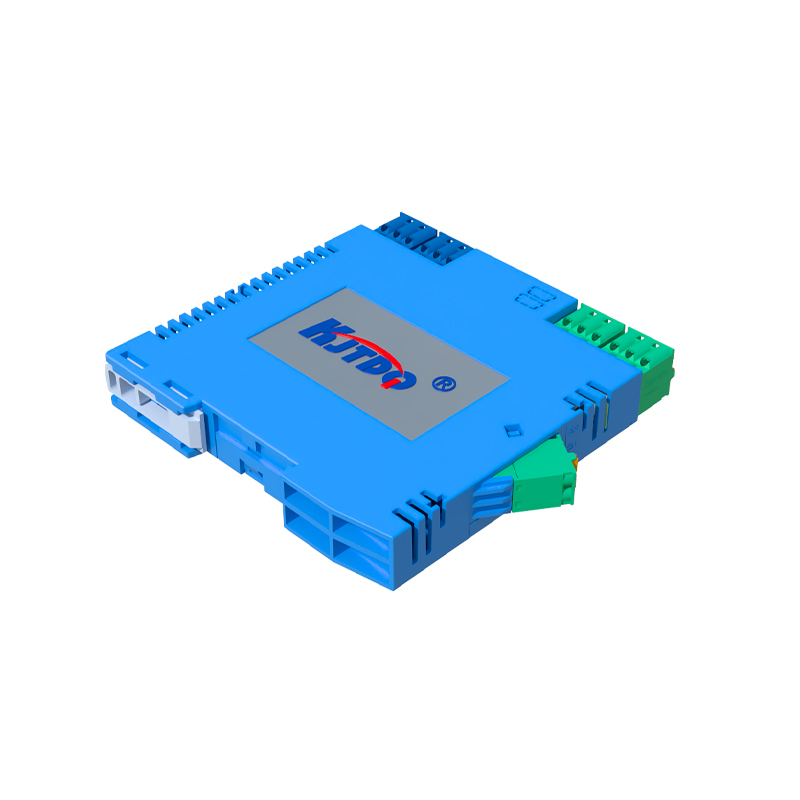
The most significant advantage of magnetic proximity sensors is their non-contact sensing mechanism. Since there is no physical interaction between the sensor and the target, issues like mechanical wear, friction, and material fatigue are entirely eliminated. This characteristic directly translates to an exceptionally long service life, often measured in millions of operating cycles. In applications involving high-speed machinery or frequent actuation, such as on conveyor belts, packaging machines, or automated assembly lines, this feature drastically reduces maintenance needs and downtime. The sensor's housing remains sealed, protecting internal components from contaminants, further enhancing reliability over extended periods.
High Reliability in Harsh Environments
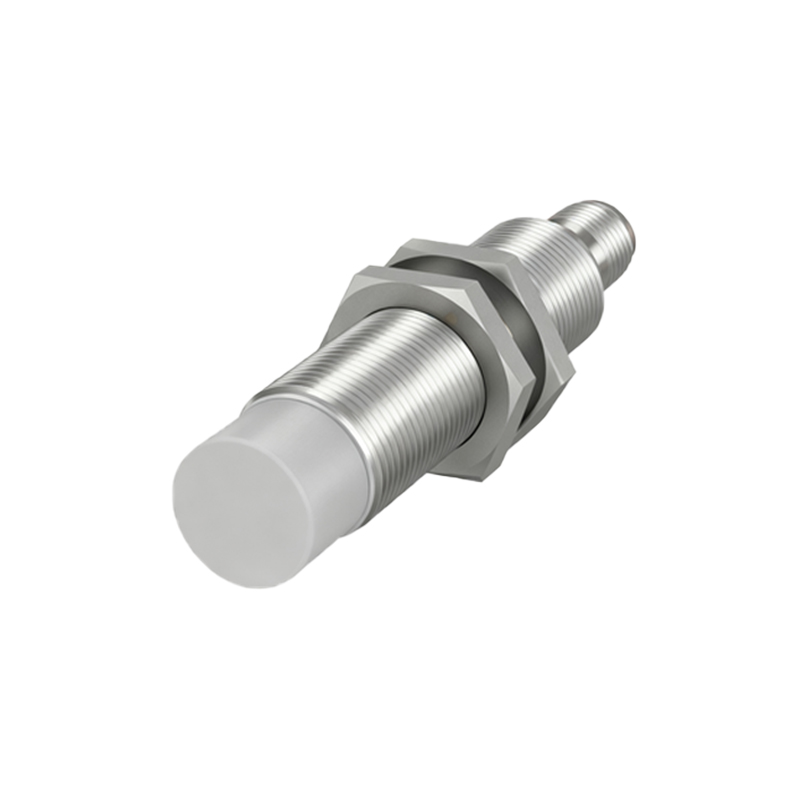
Engineered for industrial rigor, magnetic proximity sensors exhibit outstanding resilience. They are typically housed in robust casings made from materials like stainless steel, nickel-plated brass, or PBT plastic, offering high degrees of ingress protection (IP67, IP69K). This makes them impervious to dust, dirt, oil, coolants, and moisture. Furthermore, they are inherently immune to environmental factors that plague other sensor types. They are not affected by ambient light, color, or surface finish of the target object. Their operation remains stable despite the presence of non-ferrous chips, conductive dust, or vibrations, making them ideal for foundries, welding shops, machining centers, and outdoor applications.
Simple Installation and Alignment
Installation and setup of magnetic proximity sensors are remarkably straightforward. They often feature a compact, cylindrical or rectangular form factor with standardized mounting threads (e.g., M8, M12, M18). Alignment is generally less critical compared to some optical sensors. As long as the magnetic field of the target (usually a simple, inexpensive magnet) passes within the sensor's switching zone, reliable detection is achieved. This tolerance for misalignment simplifies mechanical design and reduces installation time and costs. Many models also offer versatile output configurations (PNP/NPN, NO/NC) and connection options (pre-wired cables or quick-disconnect connectors) for easy integration into existing control panels.
Wide Operating Temperature Range
A key feature for diverse industrial applications is the ability to function across a broad temperature spectrum. Standard magnetic proximity sensors reliably operate in temperatures ranging from -25°C to +70°C, with specialized variants capable of withstanding extremes from -40°C to over +100°C. This thermal stability ensures consistent performance in environments like cold storage facilities, heat treatment ovens, or engine compartments. The internal components, including the reed switch or solid-state Hall effect IC, are selected and packaged to maintain switching accuracy and response time despite thermal fluctuations, guaranteeing process stability.
Fast Response Time and Switching Frequency
These sensors offer very fast response times, typically in the range of microseconds to milliseconds. This allows them to detect rapidly moving targets with high precision. Coupled with high switching frequencies—often up to several kilohertz—they are perfectly suited for high-speed counting and speed measurement tasks. Applications include monitoring rotational speed on shafts, counting products on high-speed lines, or controlling the position of pneumatic cylinders with millisecond precision. The swift and accurate electrical signal transition enables tighter process control and improved efficiency in automated systems.
Cost-Effectiveness and Low Power Consumption
Magnetic proximity sensors represent a highly cost-effective sensing solution. The targets are simple permanent magnets, which are inexpensive and require no power. The sensors themselves, due to their simple operating principle and mature manufacturing processes, offer excellent performance at a competitive price point. Additionally, modern models, especially those based on Hall effect technology, consume very little electrical power. This low power draw is advantageous for battery-operated devices or large installations with hundreds of sensors, contributing to lower overall energy costs and compatibility with energy-efficient control systems.
Conclusion and Typical Applications
In summary, magnetic proximity sensors are characterized by non-contact operation, exceptional durability in tough conditions, ease of use, environmental immunity, and cost efficiency. These features make