What Exactly Are Proximity Sensors?
Proximity sensors are non-contact electronic devices designed to detect the presence or absence of an object within a defined sensing range without any physical contact. They operate by emitting an electromagnetic field, beam, or radiation and then monitoring for changes or signals returned from a target. This fundamental principle allows them to sense metallic or non-metallic objects, liquids, and even granular materials. Unlike mechanical limit switches, proximity sensors offer a significant advantage: the absence of moving parts. This translates to exceptionally long operational life, high reliability, and resistance to wear and tear. They are the silent sentinels in countless applications, providing critical data for control systems to make decisions, ensuring safety, and optimizing processes. Their ability to function in harsh environments—resisting dust, moisture, and vibrations—makes them indispensable in industrial settings.
Core Technologies and Operating Principles
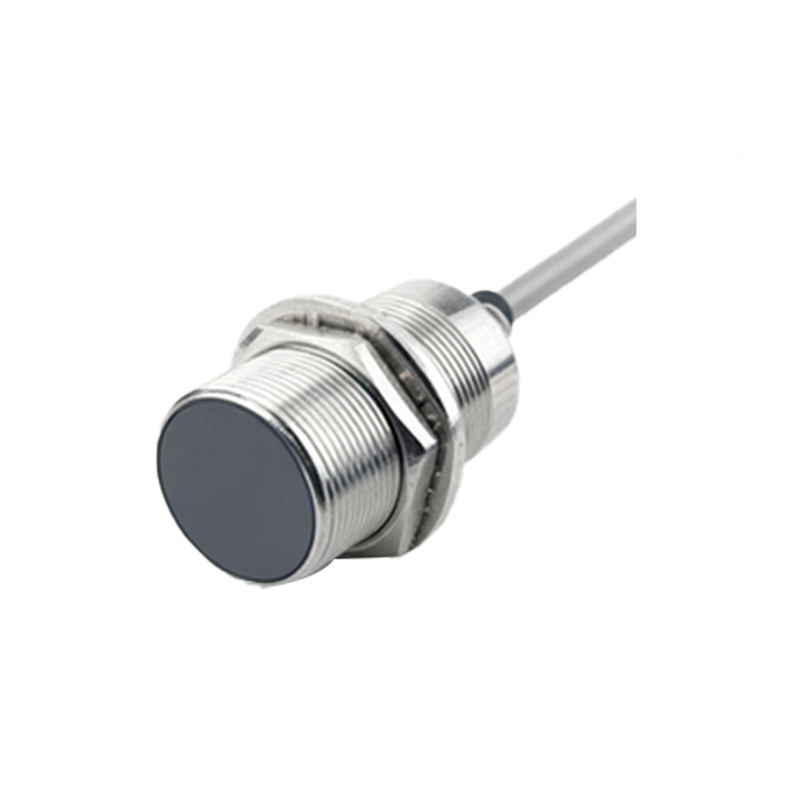
The "intelligence" of a proximity sensor lies in its underlying technology. The most common types include Inductive, Capacitive, Ultrasonic, and Photoelectric sensors. Inductive proximity sensors are the workhorses for detecting metallic objects. They generate an oscillating electromagnetic field. When a metal target enters this field, it induces eddy currents, causing a change in oscillation amplitude, which the sensor circuitry detects. Capacitive sensors, on the other hand, can detect both metallic and non-metallic materials like plastic, wood, or liquids. They function by measuring changes in capacitance between the sensor's electrode and the ground when a target object enters the electrostatic field. Ultrasonic sensors use sound waves beyond human hearing. They calculate distance by measuring the time between emitting a sound pulse and receiving its echo. Photoelectric sensors utilize a light beam (visible, infrared, or laser) and detect interruptions or reflections of that beam to sense an object's presence.
Pivotal Applications in Industrial Automation
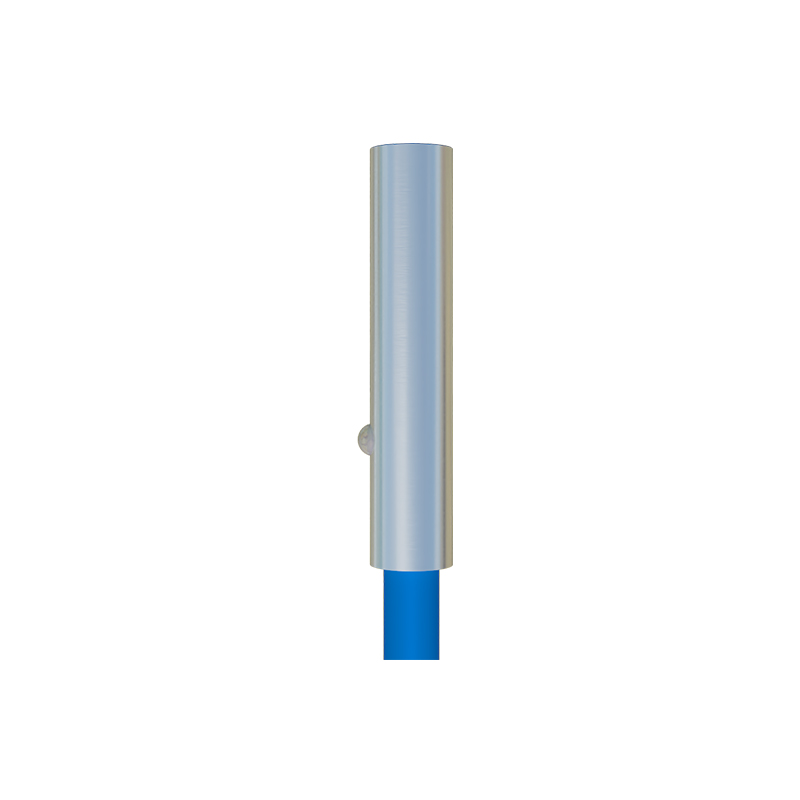
The utility of proximity sensors is vast and forms the backbone of modern automation. On assembly lines, inductive sensors count metallic parts, verify the presence of components, and control robotic arms' end positions. In packaging machinery, capacitive sensors ensure the correct level of liquids in bottles or detect the presence of a plastic cap. Ultrasonic sensors are crucial for precise distance measurement in material handling, like controlling the stack height in a palletizer or detecting transparent films. Photoelectric sensors are ubiquitous for object detection, color marking, and even complex tasks like edge guidance in printing machines. Beyond manufacturing, they are vital in automotive systems (e.g., parking sensors), consumer electronics (smartphone screen turn-off during calls), and building automation (automatic doors, occupancy sensing for lights).
Key Advantages Over Traditional Sensing Methods
The adoption of proximity sensors over mechanical switches and other contact-based methods is driven by compelling advantages. First is their non-contact nature, which eliminates physical wear on both the sensor and the target, leading to near-zero maintenance. They offer high switching speeds, capable of detecting objects at frequencies impossible for mechanical parts to match, thus enabling faster production cycles. Their solid-state construction ensures exceptional resistance to shock, vibration, and environmental contaminants. Furthermore, they provide consistent and repeatable detection, which is critical for quality control. Modern sensors also come with advanced diagnostics and IO-Link communication capabilities, allowing for predictive maintenance and seamless integration into Industry 4.0 and IoT frameworks, providing valuable data for overall equipment effectiveness (OEE) calculations.
Selecting the Right Sensor for the Job
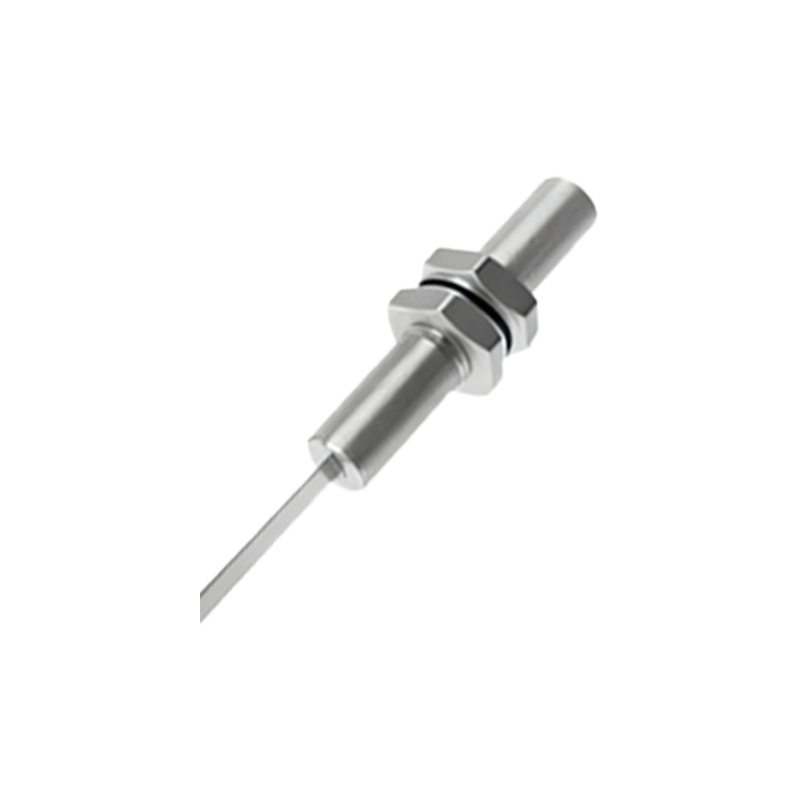
Choosing an appropriate proximity sensor is critical for system performance. The selection process begins with identifying the target material. Is it ferrous metal, non-ferrous metal, plastic, or liquid? This dictates the choice between inductive, capacitive, or other types. The required sensing distance, or "switching distance," is another key parameter, which must be derated for safe operation. Environmental conditions are paramount; sensors may need specific housing materials (e.g., stainless steel), ingress protection (IP) ratings for dust and water resistance, and temperature ratings. Electrical characteristics like output type (PNP/NPN, analog, IO-Link), supply voltage, and output current must match the control system. Finally, physical factors like size, shape (barrel, rectangular), and mounting style must be considered for seamless integration into the machine design.
The Future: Smarter, More Integrated Sensing
The evolution of proximity sensors is aligned with the trends of digitalization and miniaturization. Future sensors will possess greater embedded intelligence, with onboard processing capabilities to perform condition monitoring of themselves and even the target object. The integration of IO-Link as a standard feature is becoming commonplace, transforming simple sensors into smart devices that communicate detailed parameter and diagnostic data. There is also a push towards smaller form factors with longer