Introduction to Smooth Proximity Sensors
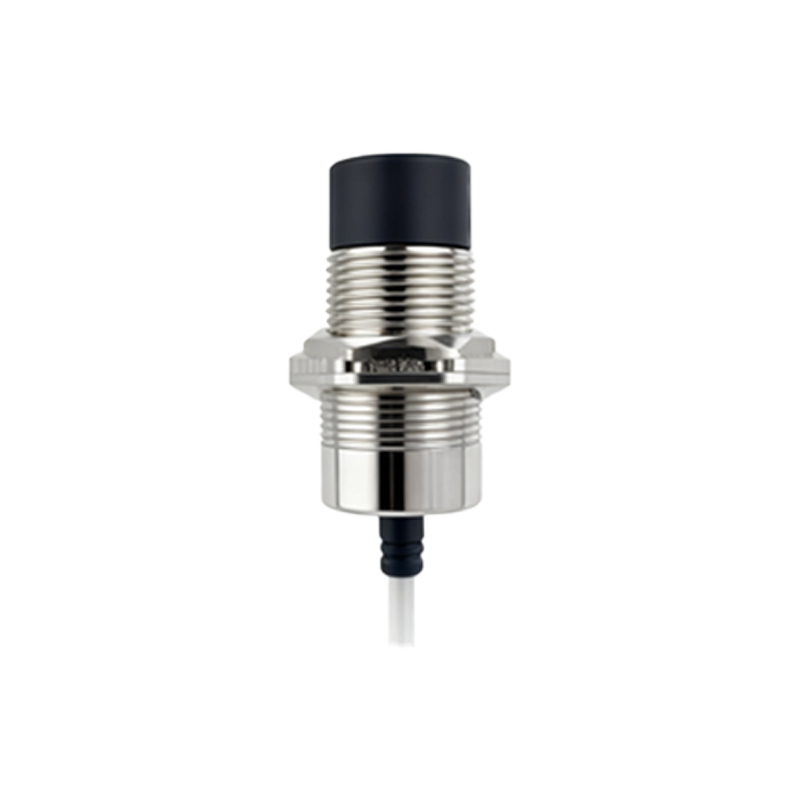
Smooth proximity sensors, often referred to as non-contact detection devices, are integral components in modern industrial automation systems. These sensors are designed to detect the presence or absence of objects without physical contact, making them ideal for applications where wear, contamination, or mechanical stress must be minimized. Unlike traditional mechanical switches, smooth proximity sensors operate based on electromagnetic or capacitive principles, allowing for reliable performance in harsh environments such as manufacturing lines, robotics, and automotive assembly. Their sleek, durable housings—typically made of stainless steel or plastic—enable seamless integration into machinery, contributing to enhanced efficiency and reduced maintenance costs. As industries increasingly adopt smart technologies, the demand for these sensors continues to grow, driven by their precision and longevity.
Core Operating Principles
The functionality of smooth proximity sensors hinges on two primary technologies: inductive and capacitive sensing. Inductive sensors generate an electromagnetic field using a coil and oscillator circuit. When a metallic object enters this field, eddy currents are induced, causing a change in oscillation amplitude. This alteration is detected by a threshold circuit, which triggers an output signal—often a digital switch—to indicate object presence. Capacitive sensors, on the other hand, measure changes in capacitance between the sensor and a target object. They emit an electrostatic field and detect variations caused by conductive or non-conductive materials, including liquids or plastics. Both types offer high repeatability and fast response times, typically in microseconds, ensuring real-time monitoring in dynamic processes. Advanced models incorporate microprocessors for self-diagnostics and adaptive tuning, further optimizing performance.
Key Applications in Industry
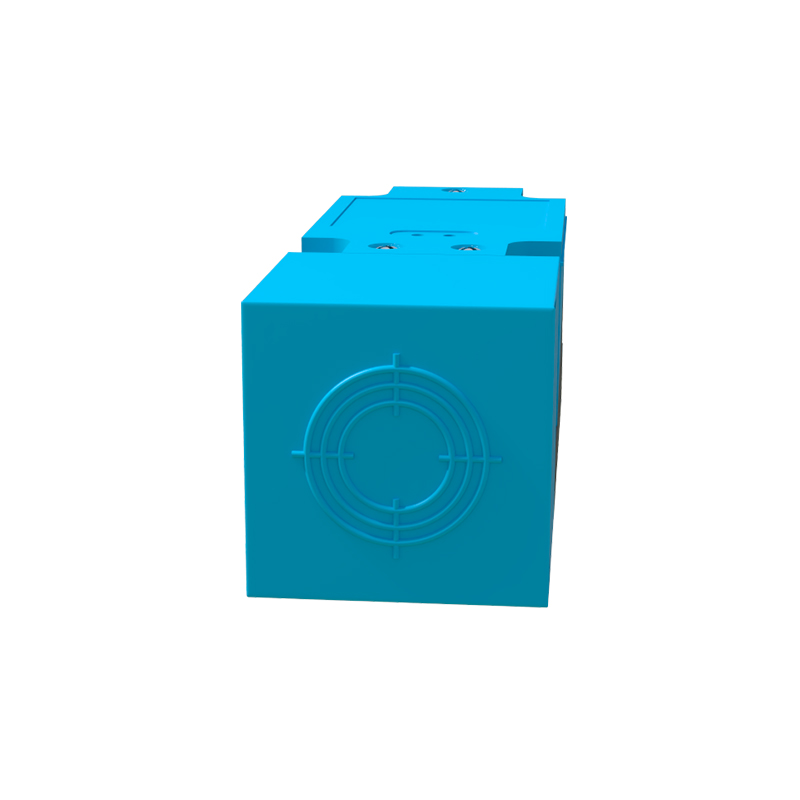
Smooth proximity sensors are deployed across diverse sectors due to their versatility. In automotive manufacturing, they monitor part positioning on conveyor belts, detect fluid levels in tanks, and ensure safety in robotic welding cells. The food and beverage industry relies on them for packaging control, where non-contact detection prevents contamination of sensitive products. Additionally, in material handling systems, these sensors facilitate object counting, jam detection, and automated sorting. Their immunity to environmental factors like dust, moisture, and vibration makes them suitable for outdoor or heavy-duty settings. For instance, in agricultural machinery, they assist in seed dispensing, while in pharmaceuticals, they verify capsule filling accuracy. By enabling precise, contactless operation, smooth proximity sensors enhance productivity and reduce downtime across applications.
Advantages Over Mechanical Alternatives
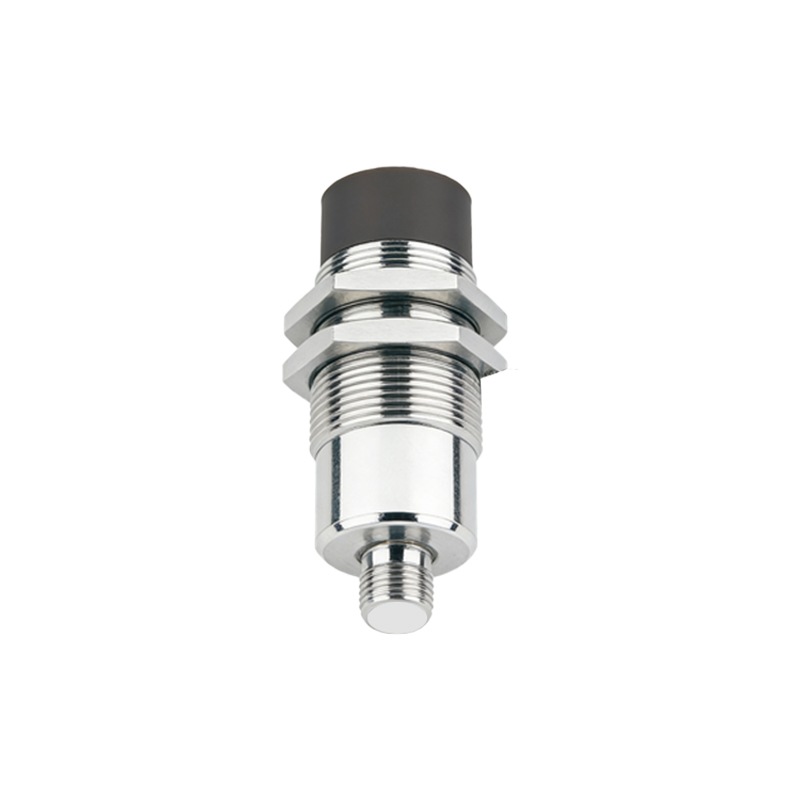
Compared to mechanical switches or tactile sensors, smooth proximity sensors offer significant benefits. Their non-contact nature eliminates physical wear, extending service life and reducing replacement frequency. This leads to lower operational costs and minimal maintenance interruptions. Moreover, they provide higher switching speeds, capable of detecting objects at rates exceeding several thousand operations per minute, which is crucial for high-speed production lines. The absence of moving parts also enhances reliability in dirty or wet conditions, where mechanical components might fail. Additionally, these sensors are less prone to false triggers from vibrations or minor misalignments, thanks to stable sensing ranges. With options for analog or digital outputs, they integrate easily with PLCs (Programmable Logic Controllers) and IoT networks, supporting data-driven automation strategies.
Selection and Installation Guidelines
Choosing the right smooth proximity sensor requires consideration of factors such as sensing distance, target material, and environmental conditions. Inductive sensors are best for metallic objects, with ranges varying from a few millimeters to several centimeters, while capacitive sensors handle non-metallic materials. The housing material—like nickel-plated brass for corrosion resistance—should match the application's demands. Installation involves mounting the sensor securely, ensuring proper alignment with the target and avoiding interference from adjacent metal surfaces or electrical noise. Shielding options (shielded or unshielded) affect the sensing field shape; shielded types allow flush mounting, whereas unshielded offer longer ranges. Regular calibration and testing, using manufacturer-specified tools, help maintain accuracy. As Industry 4.0 evolves, selecting sensors with communication protocols like IO-Link can future-proof systems for smart factory integration.
Future Trends and Innovations
The evolution of smooth proximity sensors is closely tied to advancements in industrial IoT and miniaturization. Emerging trends include the development of sensors with embedded intelligence, such as those featuring predictive maintenance capabilities that alert users to potential failures before they occur. Wireless connectivity options are becoming more prevalent, enabling flexible deployment in hard-to-reach areas. Additionally, improvements in energy efficiency allow battery-powered models for portable applications. Research into new materials, like graphene-based components, promises enhanced sensitivity and durability. As automation expands into sectors like renewable energy and aerospace, these sensors will play a pivotal role in monitoring turbine blades or aircraft components. Ultimately, the drive toward smarter, more adaptive systems ensures that smooth