Understanding Proximity Sensor Technology
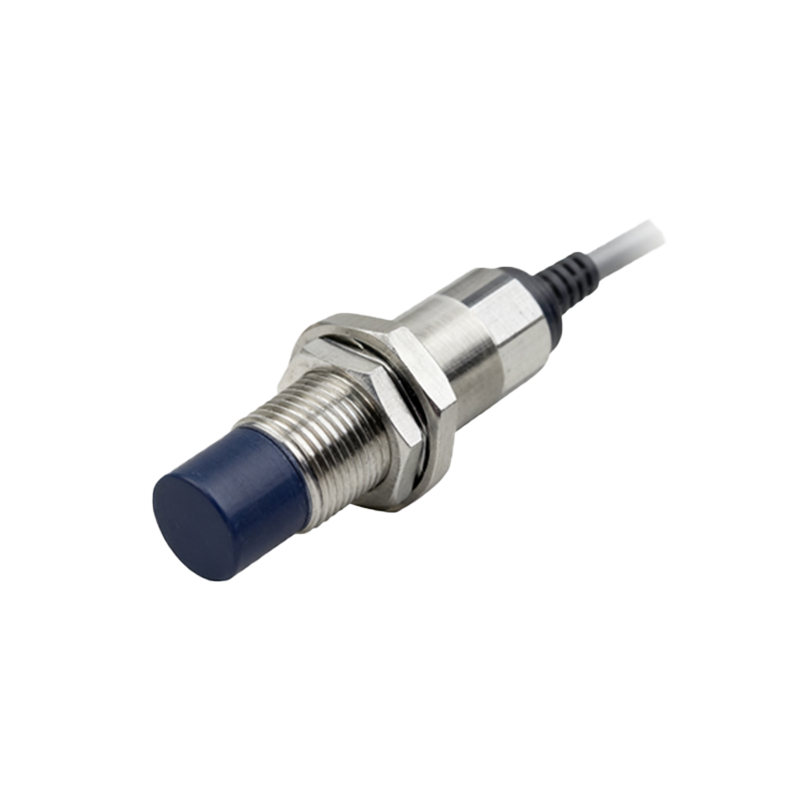
Proximity sensors are non-contact electronic devices designed to detect the presence or absence of an object within a specific range. Operating on various principles such as inductive, capacitive, ultrasonic, and photoelectric technologies, these sensors are fundamental to modern industrial automation. Inductive sensors, for instance, are ideal for detecting metallic objects, while capacitive sensors can handle a wider range of materials including liquids and plastics. The core function remains the same: to provide a reliable signal without physical contact, thereby reducing wear and tear and enabling high-speed, precise operations in demanding environments. This foundational technology forms the backbone of countless automated processes, from assembly lines to robotic guidance systems.
Critical Criteria for Evaluating Suppliers
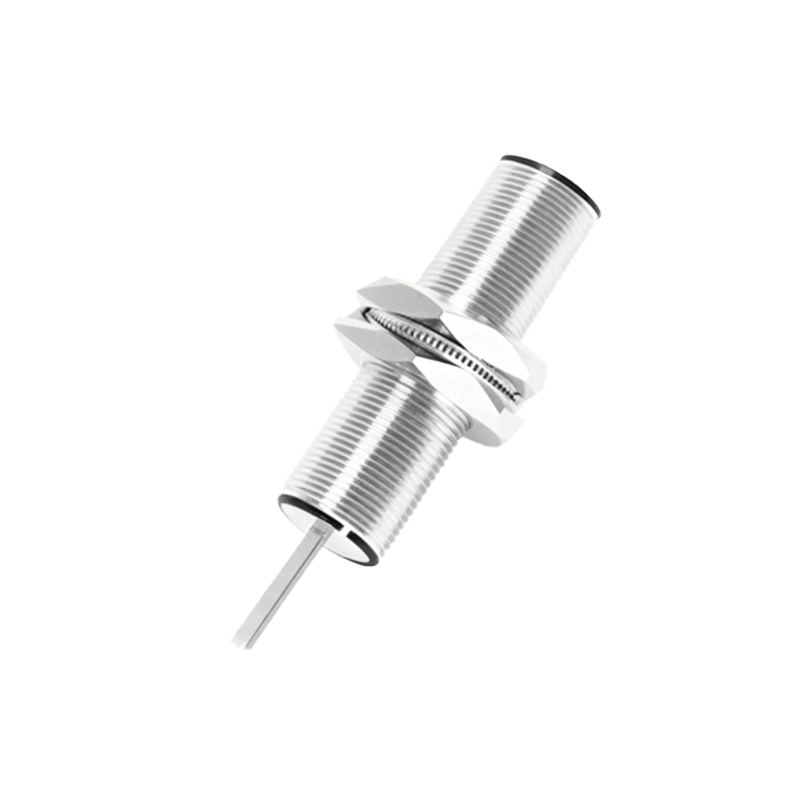
Selecting the right proximity sensor supplier is a strategic decision that impacts operational efficiency and product quality. Key evaluation criteria extend beyond mere price. First, assess the supplier's technical expertise and product portfolio depth. A reputable supplier should offer a wide range of sensor types, sizes, and sensing distances to meet diverse application needs. Second, consider manufacturing capabilities and quality certifications, such as ISO 9001, which ensure consistent product reliability. Third, evaluate their global support network, including local engineering support, readily available stock, and efficient logistics. Finally, scrutinize their track record for innovation and ability to provide custom solutions for unique or challenging applications.
Global Market Leaders and Specialized Providers
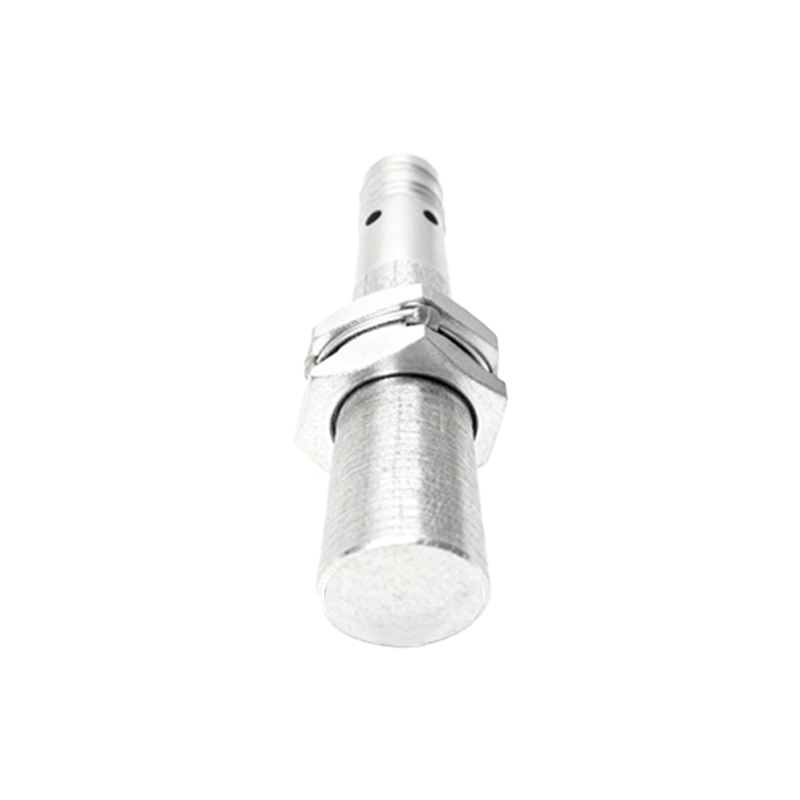
The market for proximity sensors is served by both large, multinational corporations and nimble, specialized firms. Major global players like Siemens, Omron, Rockwell Automation, and Schneider Electric offer comprehensive automation portfolios where proximity sensors are a key component. These companies provide the advantage of global supply chains, extensive R&D resources, and integrated system solutions. Conversely, specialized providers such as Pepperl+Fuchs, Balluff, and SICK AG focus intensely on sensor technology, often delivering superior performance in niche areas, exceptional environmental robustness (e.g., high temperature, washdown), or cutting-edge features like IO-Link communication for Industry 4.0 connectivity.
Applications Across Major Industries
The versatility of proximity sensors drives their adoption across virtually every industrial sector. In automotive manufacturing, they are ubiquitous for part positioning, robotic welding, and assembly verification. The food and beverage industry relies on stainless steel, washdown-rated sensors for hygiene-critical processes like bottle filling and packaging. In material handling and logistics, sensors manage conveyor belt operations, palletizing, and automated storage/retrieval systems. Furthermore, the aerospace and semiconductor industries utilize high-precision sensors for delicate positioning tasks. Understanding these application landscapes helps in selecting a supplier with proven experience in a specific field, ensuring they can anticipate and solve domain-specific challenges.
The Impact of Industry 4.0 and Smart Sensors
The rise of Industry 4.0 and the Industrial Internet of Things (IIoT) is transforming the role of proximity sensors. Modern "smart" sensors go beyond simple detection; they embed microprocessors to provide diagnostic data, such as health status, temperature warnings, or switch cycle counts. Suppliers are now differentiating themselves by offering sensors with advanced digital communication protocols like IO-Link. This protocol allows for parameter setting, real-time data monitoring, and easier integration into higher-level control systems, enabling predictive maintenance and greater process transparency. Choosing a supplier at the forefront of this digital integration is crucial for building future-proof, data-driven operations.
Ensuring Long-Term Value and Partnership
The relationship with a proximity sensor supplier should be viewed as a long-term partnership. Initial cost is only one part of the total cost of ownership. Factors such as mean time between failures (MTBF), ease of installation, and compatibility with existing systems significantly affect long-term operational costs. A reliable supplier provides excellent technical documentation, training resources, and responsive customer service to minimize downtime. They should also demonstrate a commitment to product lifecycle management, ensuring the long-term availability of components. Ultimately, the best supplier acts as a solutions partner, contributing engineering insight to optimize the entire sensing application for peak performance and reliability.