Introduction to M12 Oil-Resistant Proximity Sensors
In the demanding environments of modern industrial automation, reliable sensing is non-negotiable. Among the myriad of sensor types, the M12 oil-resistant proximity switch sensor stands out as a critical component for machinery and systems exposed to lubricants, coolants, and other oily substances. These inductive sensors are designed with a standardized M12 threaded cylindrical housing, providing a compact and robust form factor. Their primary function is to detect the presence or absence of metallic objects without physical contact, utilizing an electromagnetic field. The defining characteristic of this sensor category is its specialized sealing and material construction, engineered to withstand prolonged exposure to oils and prevent ingress that could lead to premature failure. This resilience makes them indispensable in sectors like automotive manufacturing, metalworking, food and beverage processing, and any application where oil mist or splash is a constant challenge.
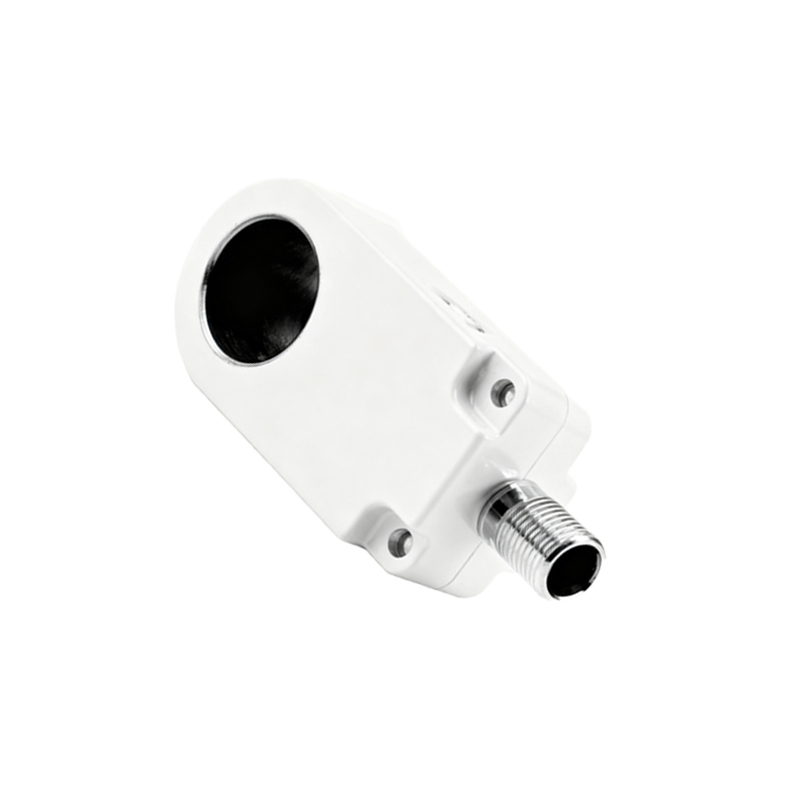
Key Design Features and Construction
The robustness of an M12 oil-resistant proximity sensor is derived from its meticulous design. The housing is typically constructed from high-grade stainless steel (such as V2A or V4A) or nickel-plated brass, offering excellent corrosion resistance. The sensing face is often made from a specialized polymer like PBT or PPS, which is inherently resistant to chemical degradation from oils. The most critical aspect is the sealing system. Multiple sealing rings, usually made from materials like FKM (Viton) or NBR, are employed at the housing joints, cable entry point, and along the thread. These seals ensure an ingress protection rating of at least IP67, and often IP68 or IP69K, signifying protection against dust and high-pressure, high-temperature water jets. Internally, the electronics are potted with a resilient epoxy resin, providing additional protection against shock, vibration, and any moisture that might bypass the primary seals.
Technical Specifications and Sensing Performance
Understanding the technical parameters is crucial for correct sensor selection. The standard sensing distance for these inductive sensors typically ranges from 2mm to 5mm, with factors like target material (steel, aluminum, brass) and size affecting the exact range. They operate on standard DC voltages (10-30V DC) or sometimes AC, with outputs including PNP (sourcing), NPN (sinking), or analog options. The switching frequency can be as high as several kilohertz, allowing for detection of very fast-moving parts. A key specification is the temperature operating range, often from -25°C to +70°C, ensuring functionality in both cold storage and hot machining environments. The oil-resistance is not just a claim; it is validated through prolonged testing with specific oils (like ISO VG 32 hydraulic oil or cutting fluids) to ensure the housing and seals do not swell, crack, or degrade.
Primary Industrial Applications and Use Cases
The application spectrum for M12 oil-resistant proximity sensors is vast. In CNC machining centers and lathes, they are used for tool position detection, pallet clamping verification, and coolant level monitoring, directly in the path of cutting fluids. Within automotive assembly lines, they monitor robotic arm positions, verify part presence in oily engine assembly stations, and control hydraulic cylinder end positions. In food processing packaging machinery, where plant-based oils or cleaning agents are used, these sensors ensure reliable operation without contamination fear. They are also fundamental in hydraulic power units, monitoring piston position inside cylinders, and in mobile equipment like forklifts for transmission and hydraulic system feedback. Anywhere metal detection is required in a lubricated or oily atmosphere, these sensors provide a dependable solution.
Installation Guidelines and Best Practices
Correct installation maximizes sensor lifespan and reliability. It is imperative to follow the manufacturer's specified tightening torque for the M12 locknut, typically using a suitable wrench to avoid damaging the housing or threads. The sensor should be mounted securely to minimize vibration. A critical consideration is maintaining the proper flush or non-flush mounting style as indicated; non-flush models require a metal-free zone around the sensing face. Cable routing is also important; the cable should be clamped close to the sensor entry to relieve strain and should not be exposed to sharp bends or excessive tension. Even with oil-resistant properties, it is good practice to periodically inspect the sensor body and seals for any physical damage or buildup of debris that could compromise performance.
Advantages Over Standard Proximity Sensors
Choosing an oil-resistant variant over a standard M12 proximity sensor offers distinct advantages. The most obvious is dramatically increased service life and reduced downtime in hostile environments. While a standard sensor might fail quickly when exposed to oil, the specialized seals and materials of an oil-resistant model prevent internal corrosion and electrical short circuits. This leads to lower total